Why Drano is the Best Toilet Unclogger Liquid? (Updated)
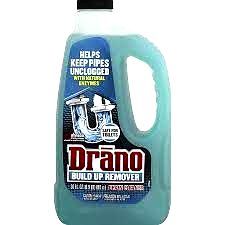
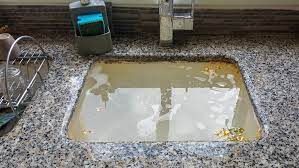
When a toilet clog strikes, finding the right solution quickly matters. Many homeowners turn to toilet unclogger liquids like Drano Max Gel because they are designed to break down stubborn clogs caused by toilet paper, waste, and organic buildup. In this guide, we explain why Drano is considered one of the best toilet unclogger liquids, how it works, and when it should be used to safely unclog a toilet.
Why Drano Is the Best Toilet Unclogger Liquid
Drano stands out as a popular toilet clog remover because of its powerful chemical formula designed to dissolve organic blockages quickly. Unlike basic cleaners, Drano Max Gel clings to clogs and works through standing water, allowing it to reach deeper into the toilet drain. This makes it a reliable option when plunging alone does not fully clear the blockage.
How Drano Works to Clear Stubborn Toilet and Drain Clogs
Drano is a popular commercial drain cleaner widely used by Denver homeowners and plumbers in Denver alike for its effectiveness in clearing stubborn clogs. But how does Drano work? Understanding its mechanism can help users handle it more safely and effectively.
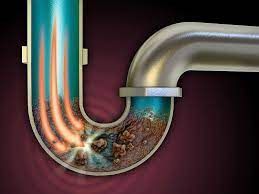
At its core, Drano Max Gel Clog Remover works through a chemical reaction that dissolves hair, soap scum, grease, and other common clog-causing materials. This reaction generates heat, which helps melt the clog while pushing it down the drain.
Drano Max Gel Clog Remover's primary ingredients include sodium hydroxide, lye, and sodium hypochlorite, a type of bleach. These ingredients are powerful and can cause harm if not used correctly, so it is essential to follow Drano's instructions.
Due to its higher density, Drano Max Buildup Remover is poured very slowly into a clogged drain and sinks to the bottom of the toilet.
Once there, It reacts with the clogged material, breaking it into smaller parts that can easily be flushed away. The generated heat also aids in this process by softening or melting the clogged material.
However, the chemical reaction behind Drano's Max Gel Clog Remover effectiveness also means that it can be dangerous if not used properly. Following Drano's instructions very carefully is crucial to avoid damage to your plumbing system or personal harm.
For instance, using too much Drano can result in pipe damage due to the heat generated by the chemical reaction. Similarly, using Drano Max Gel Clog Remover in toilets can lead to an explosion because of pressure buildup.
Personal safety measures such as gloves and eye protection are also highly recommended when using Drano Max Gel Clog Remover & and Drano Max Buildup Remover or Liquid Drano products.
Ensure you read and understand how Drano works, as this helps users apply it more effectively and safely. When used correctly, it's a Max Gel Clog Remover, a powerful tool against drain clogs, but misuse can lead to severe consequences and possible injury.
Thus, it is essential to follow Drano's instructions meticulously to get the best toilet unclogging results while avoiding potential risks and hazards.
Why It is Important to Follow Drano Max Gel Clog Remover Instructions?
Following Drano Max Gel Clog & Max Buildup Remover instructions is crucial to ensure the product functions effectively and safely.
The instructions must be followed to optimize the product's ability to dissolve and remove drain clogs, whether small obstructions or more significant blockages.
The Max Buildup Remover is designed to work efficiently, breaking down even the toughest clogs, and it does so without causing any harm to your pipes or plumbing system when used correctly.
Moreover, safety is a paramount reason to follow Drano Max Gel Clog Remover instructions. The product contains potent chemicals that, if not handled appropriately, can pose significant risks to human health and safety.
Being safe Strictly adhering to the guidelines provided by the manufacturer, users can avoid unnecessary exposure or accidents, fostering a sense of caution and awareness.
By following the instructions, you play a crucial role in staying safe and preventing the product from being wasted. The instructions often specify the right amount of the Max Buildup Remover to use, depending on the severity of the clog.
This ensures effective unclogging without excessive or insufficient use of the product. Your careful application of the product ensures that it is used optimally, maximizing its effectiveness and
How Often is it Safe to Use Drain Cleaners Like Drano?
Using chemical drain cleaners, such as Drano, should be done with caution. It's generally recommended to limit their use and reserve them for situations where alternative methods have failed and there's a real necessity to unclog a drain. Here's why:
Potential Risks: Frequent use can cause damage to your pipes over time. The chemicals may erode or weaken both metal and PVC piping, leading to potential leaks or breaks.
Environmental Concerns: The harsh chemicals found in these products can be harmful to the environment. Regular use increases the risk of these substances entering waterways and ecosystems.
Safety Considerations: These cleaners are hazardous materials that can pose risks if not handled properly. Ensure adequate ventilation and protective gear when using.
For maintaining drain health, it's advisable to explore preventative measures such as regular cleaning with natural solutions like baking soda and vinegar, or employing a plunger or plumber's snake for minor clogs. If you find yourself needing chemical cleaners frequently, it might be time to consult a professional plumber to address recurring issues.
Baking Soda & Vinegar for Unclogging Toilet
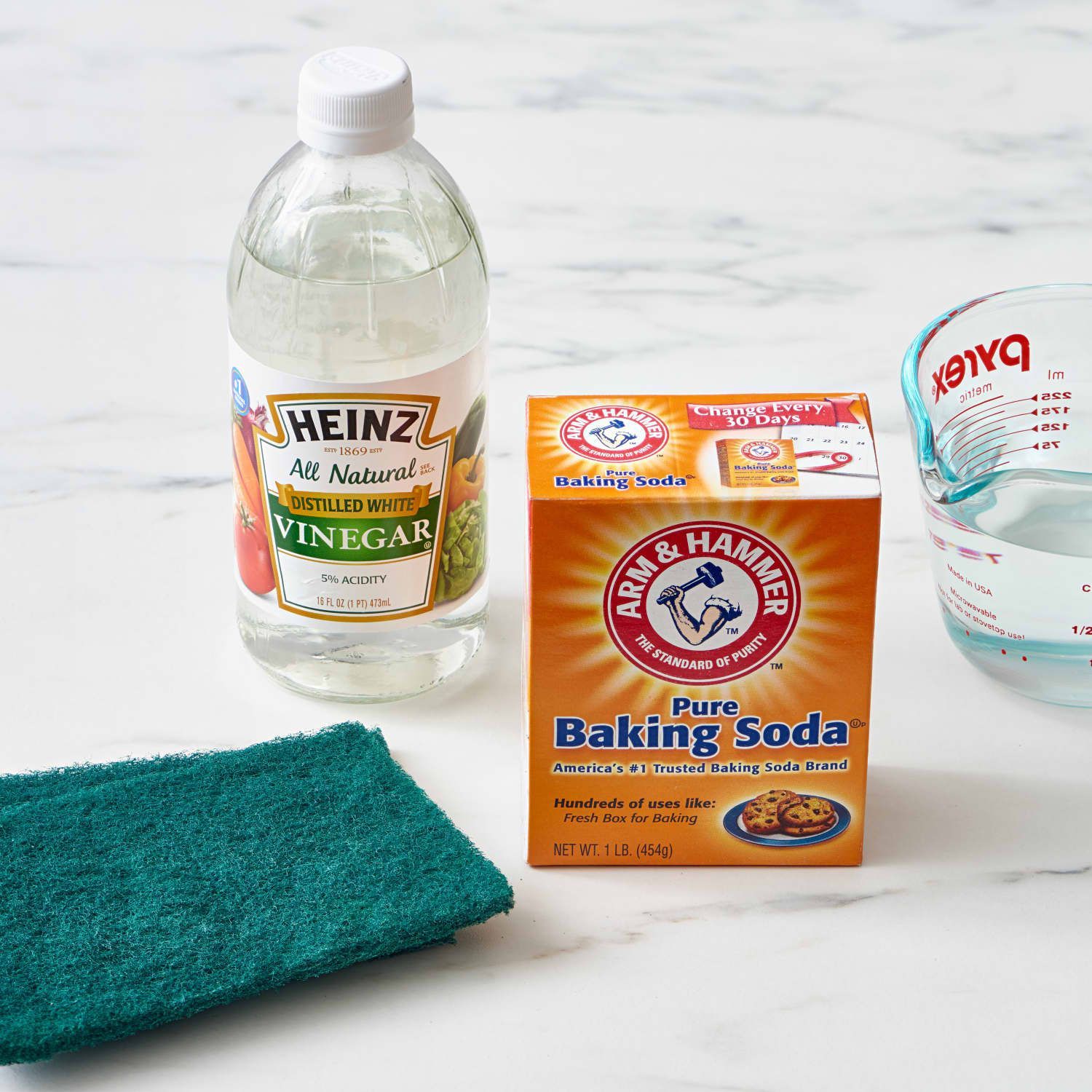
The use of Baking Soda and Vinegar for Unclogging Toilet has emerged as a popular, eco-friendly and cost-effective solution for maintaining the smooth functioning of toilets. This method is not only easy to implement but also eliminates the need for harsh chemicals that could damage the toilet system or pose a health risk. When combined, baking soda and vinegar produce a fizzy reaction that can effectively break down the clog.
First, pour a cup of baking soda into the clogged toilet, then add an equal amount of vinegar. The ensuing chemical reaction generates bubbles that help loosen the clog. After waiting for about 30 minutes, flush the toilet to check if the clog has been cleared. If not, repeat the process. This method of using Baking Soda and Vinegar to unclog the toilet is particularly effective for smaller clogs and for regular maintenance.
It's worth noting that Baking Soda and Vinegar for Unclogging Toilet is not just an environmentally friendly solution, but it is also safe for all types of plumbing systems. It does not cause corrosion or other detrimental effects associated with chemical drain cleaners. Hence, this method is gradually becoming a go-to solution for many households seeking safer, more sustainable ways to address common plumbing issues.
How Baking Soda & Vinegar work Together to clean Drains and unclog Toilets?
When baking soda is added and mixed together with the vinegar, the acid breaks down the baking soda, and carbon dioxide gas is created. When used as a cleaning solution, this reaction can be highly effective in lifting dirt and grime from various surfaces. Vinegar and Baking Soda are natural alternatives to harsh chemicals for cleaning.
Baking soda, a base, can dissolve grease and dirt, while vinegar, an acid, can break down minerals. To create an effective cleaning solution, mixing equal parts vinegar and water for general cleaning, or mixing baking soda and water to make a paste for heavy-duty cleaning, is essential.
When combined with vinegar, the paste can be applied to surfaces, scrubbed gently, and then rinsed off. Did you know That Vinegar mixed with Baking soda can be used to clean drains or unclog toilets by pouring it down the drain or toilet, letting it sit, then rinsing? When you Combine Vinegar with baking soda, it creates a powerful cleaner with no harsh chemicals that can effectively remove stuck-on stains.
What Are The Step-by-Step Instructions For Plunging a Toilet?
Step-by-Step Instructions for Plunging a Toilet
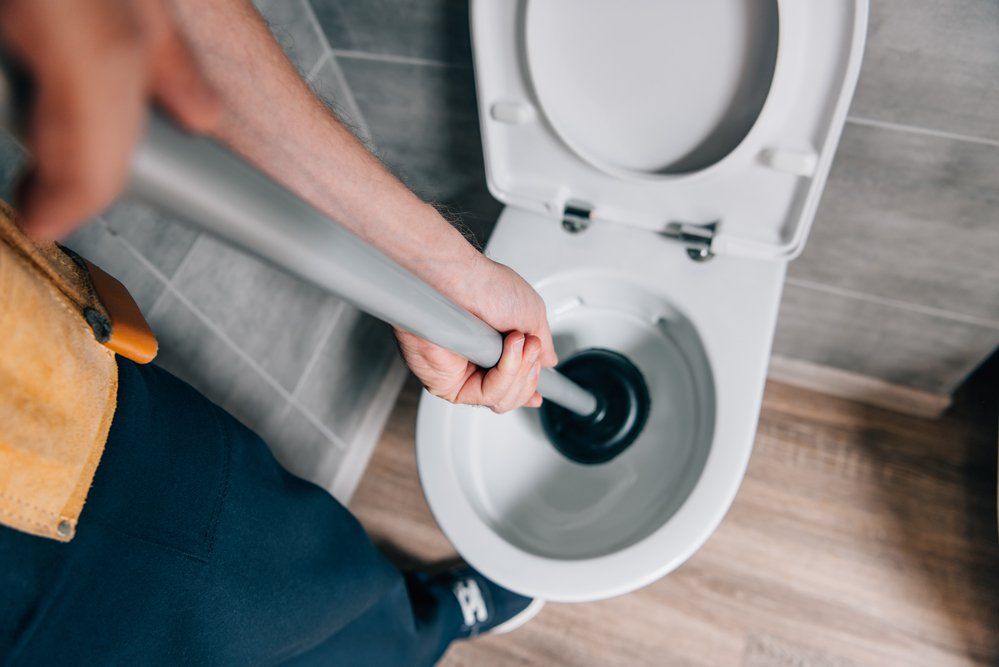
Clearing a stubborn toilet clog doesn’t always require fancy tools—sometimes, a trusty plunger does the trick. Here’s how to use one effectively:
- Check the Water Level: Make sure there’s enough water in the bowl to cover the rubber part of the plunger. If not, simply add water until the plunger is fully submerged. This will help create the suction you need.
- Position the Plunger: Place the plunger over the drain hole at the bottom of the toilet, forming a firm seal. Start with gentle downward pressure—this helps to expel any trapped air, so you don’t end up with a messy splashback.
- Work the Plunger: Once the air is out and you have a snug seal, use a bit more force. Push down and pull up in a steady, rhythmic motion. The goal is to drive water back and forth through the drain to loosen the clog—not just to shove air around.
- Be Persistent: After a few strong plunges, lift the plunger and check if the water drains away. If the bowl is still slow to empty, repeat the process. Sometimes a little persistence is all you need to break up the blockage.
Using this classic method can tackle many everyday clogs without the need for chemical cleaners or calling in a pro. Just remember to give your plunger a thorough rinse before putting it away!
What Should I Do First if My Toilet is Clogged and About to Overflow?
What to Do First If Your Toilet Is Clogged and Overflowing
If you notice your toilet is clogged and the water level is rising dangerously close to overflowing, your priority is to prevent any more water from entering the bowl. The quickest way to do this is to head straight to the water supply valve, usually located behind the toilet near the base. Give it a firm clockwise turn to shut off the flow—this simple step can spare you from a major mess.
With the water halted, you now have some breathing room to assess the situation and attempt a fix without worrying about an impromptu indoor flood. This initial precaution can save you a lot of time and trouble before moving on to other unclogging methods or tools.
How to use Drano for a Clogged Toilet
Learning how to snake a toilet is an essential skill for any homeowner or renter. This process involves using a specialized tool called a plumber's snake or a toilet auger to remove clogs in the toilet drain. To start, you need to position the end of the snake into the toilet bowl, directing it towards the drain. Ensure that you have enough length on the snake to reach deep into the pipes where the clog might be located.
Understanding how to snake a toilet requires some patience as you will need to slowly twist and push the snake into the drain. The twisting motion helps break apart the clog and navigate the bends in the pipe. As you do this, you may feel some resistance, which is usually an indication that you've reached the clog. Once this happens, it's important to continue turning and pushing to break up the blockage.
After you've successfully snaked the toilet, remove the snake slowly, being careful not to re-clog with dislodged debris. Flush the toilet a few times to ensure that the water is draining properly. If not, you may need to repeat the process.
Knowing how to snake a toilet can save you a significant amount of money in plumbing costs. It's a simple process that anyone can learn, and it's an effective solution for most clogs. Remember to always handle the snake with care and clean it thoroughly after use to maintain its effectiveness for future use.
Why You Can Use Drano in a Toilet
Drano is a popular product used for unclogging drains and eliminating build-ups in pipes. The question then arises, why you can use Drano in a toilet? The answer lies in the product's strong chemical composition, which is specifically designed to break down clogs effectively.
To understand why you can use Drano in a toilet, it's crucial to comprehend its working mechanism. When Drano is poured into a blocked pipe, its active ingredients generate heat, which helps dissolve the clog. Moreover, it also has ingredients that work to prevent pipes from corrosion. Thus, using Drano in a toilet not only helps to clear blockages but also protect the plumbing pipes & system.
However, while you can use Drano in a toilet, it's important to note that it should be used responsibly due to its powerful formulation. Excessive use can lead to damage to your toilet's plumbing system over time. Therefore, while Drano can be an effective solution for unclogging toilets, it's advisable to use it sparingly and preferably under the guidance of a professional.
The reasons why you can use Drano in a toilet are due to its powerful chemical composition that works effectively against various types of clogs and its protective properties against pipe corrosion. However, discretion is advised considering its strength and potential impact on the longevity of your toilet's plumbing system.
Safety & Precautions When Using Drano
Drano contains strong chemicals and should always be handled with care. Wear protective gloves, avoid splashing, and never mix Drano with other cleaning products. Using chemical cleaners too frequently may damage pipes, especially in older plumbing systems, so Drano should be reserved for stubborn clogs rather than routine maintenance.
When to Use Drano vs Other Methods
Mechanical tools such as plungers and toilet augers should be the first option for clearing most toilet clogs. Drano is best used when these methods fail or when organic buildup is suspected. For recurring clogs or slow drains affecting multiple fixtures, professional plumbing service may be a better long-term solution.
Is Drano Bad for Plumbing Pipes, Will it Destroy Drain & Sewer Pipes?
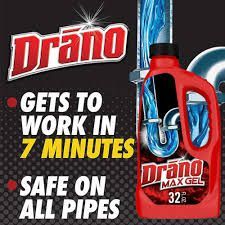
Drano, a popular drain cleaner, is often the go-to solution for clogged drains. However, the question often arises: Is Drano bad for pipes? Will it destroy drain and sewer pipes? The answer is nuanced. While Drano can be effective in removing blockages, it can also cause harm to your plumbing system. This is particularly true if the pipes are old, made of plastic, or if they are already damaged or corroded.
The chemicals in Drano are designed to eat away at whatever is clogging the pipe, which can include hair, grease, soap scum, and food debris. However, if the clog is not completely removed and the Drano sits in the pipe, it can start to corrode the pipe material.
This is especially problematic for older metal pipes and plastic pipes, which can become warped or damaged by the heat generated by the chemical reaction.
Moreover, repeated use of Drano can weaken the pipe structure and eventually lead to leaks or even pipe bursts. So, while it may provide a quick fix for a clogged drain, it could lead to more serious plumbing problems down the line. Therefore, it is best to use
Drano sparingly and consider other methods of clog removal that are less harsh on your pipes. In conclusion, while Drano may not necessarily destroy drain and sewer pipes instantly, it can cause damage over time with repeated use.
Drano Max Gel Clog Remover, Guaranteed to Work Fast in Standing Water
Drano Max Gel Clog Remover is the ultimate solution for clogged drains, promising a fast and effective result even in standing water. This powerful cleaning agent is designed to work quickly, cutting through standing water without losing any of its cleaning power. Its unique formula is guaranteed to break down even the toughest clogs caused by hair, soap scum, oils, or grease.
Drano Max Gel Clog Remover is not only potent but also user-friendly. You don't need any plumbing expertise to use it; just pour it down the drain, wait for it to do its magic, and flush with hot water. It’s a hassle-free solution to a common household issue. Moreover, it is safe for all types of pipes, ensuring no damage or corrosion occurs during the cleaning process.
The promise of Drano Max Gel Clog Remover is clear - it is guaranteed to work fast. This claim isn't just marketing hype, it's backed by numerous customer testimonials and rigorous testing. The product's speed and efficacy make it a go-to solution for many households dealing with stubborn clogs.
If you are dealing with persistent drain clogs and standing water, you can rely on Drano Max Gel Clog Remover. It's guaranteed work fast, offering a professional-grade solution that you can use yourself, saving time and potential plumbing costs.
Drano Max Build Up Remover
Drano Max Build Up Remover is an exemplary solution to tackling stubborn build-ups in pipes and drains. It stands out as a leading product in the market due to its exceptional ability to cut through standing water and dissolve greasy deposits, hair, soap scum, and other organic materials that can cause blockages. The efficacy of the Drano Max Build Up Remover is unparalleled, providing both preventative and remedial solutions for pipe and drain maintenance.
Moreover, Drano Max Build Up Remover is designed with versatility in mind. It works effectively on different types of pipes including plastic, PVC, metal, garbage disposals and septic systems. This versatility makes it a go-to solution for many households and even commercial spaces experiencing drain blockages.
Furthermore, the Drano Max Build Up Remover is not just about functionality; it also prioritizes safety. The product is safe for all pipes and septic systems when used as directed, which adds to its reliability. It's easy to use as well, requiring no professional plumbing skills to administer.
Are you are grappling with stubborn drain clogs or want to maintain your pipes to prevent potential blockages, the Drano Max Build Up Remover is a highly recommended product. Its superior formulation, versatility, and safety assurance make it a top choice for maintaining smooth and clear drains.
Liquid Drano
Liquid Drano is a highly effective and widely recognized commercial drain cleaner. Liquid Drano is a powerful chemical for unclogging drains, particularly those affected by grease, soap scum, hair, or other common blockages. One of its main advantages is its ability to work quickly, often clearing clogs within 15 to 30 minutes.
Liquid Drano's formula is safe for all types of toilets & plumbing pipes, including plastic, PVC, metal, and even old pipes. Furthermore, it's safe for septic systems and won't harm the beneficial bacteria within them. This makes Liquid Drano a reliable choice for both residential and commercial premises.
However, while Liquid Drano is highly effective in dealing with common clogs, it is essential to use this product responsibly. Liquid Drano is a powerful chemical solution, so safety precautions must be taken when using It. These include avoiding contact with skin and eyes and ensuring adequate ventilation during use.
Liquid Drano offers a quick and efficient solution to unclogging drains and maintaining the integrity of your plumbing system. Its safety for various pipe types and septic systems increases its appeal to a broad range of users. However, like all powerful solutions, it should be used with care and proper safety measures adhered to.
Unstopping Toilets, Why Drano Products Work So well?
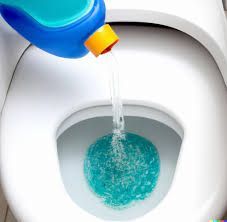
Unstopping toilets is a frequent maintenance issue that most homeowners face. The process often requires professional assistance, which can be costly and inconvenient. However, Drano Products have proven to be an effective solution for this common household problem. But why do Drano Products work so well for unstopping toilets?
The efficacy of Drano Products in unstopping toilets lies in their unique formulation. They contain ingredients designed to break down the common materials that cause blockages, such as hair, soap scum, and grease. Once the materials clogging the toilet are broken down by the drano clog remover, they can easily be flushed away, effectively unstopping the toilet.
Moreover, Drano Products are safe for all types of plumbing pipes and septic systems, making them a versatile solution for unstopping toilets in any home or business. They also work quickly, often clearing blockages in less than 15 minutes. This speed and effectiveness make Drano Products a go-to solution for unstopping toilets, reducing the need for professional plumbing services.
Liquid Plumr Vs Drano: Which is Better?
Liquid Plumr and Drano, which opens the Toilet Clog Faster?
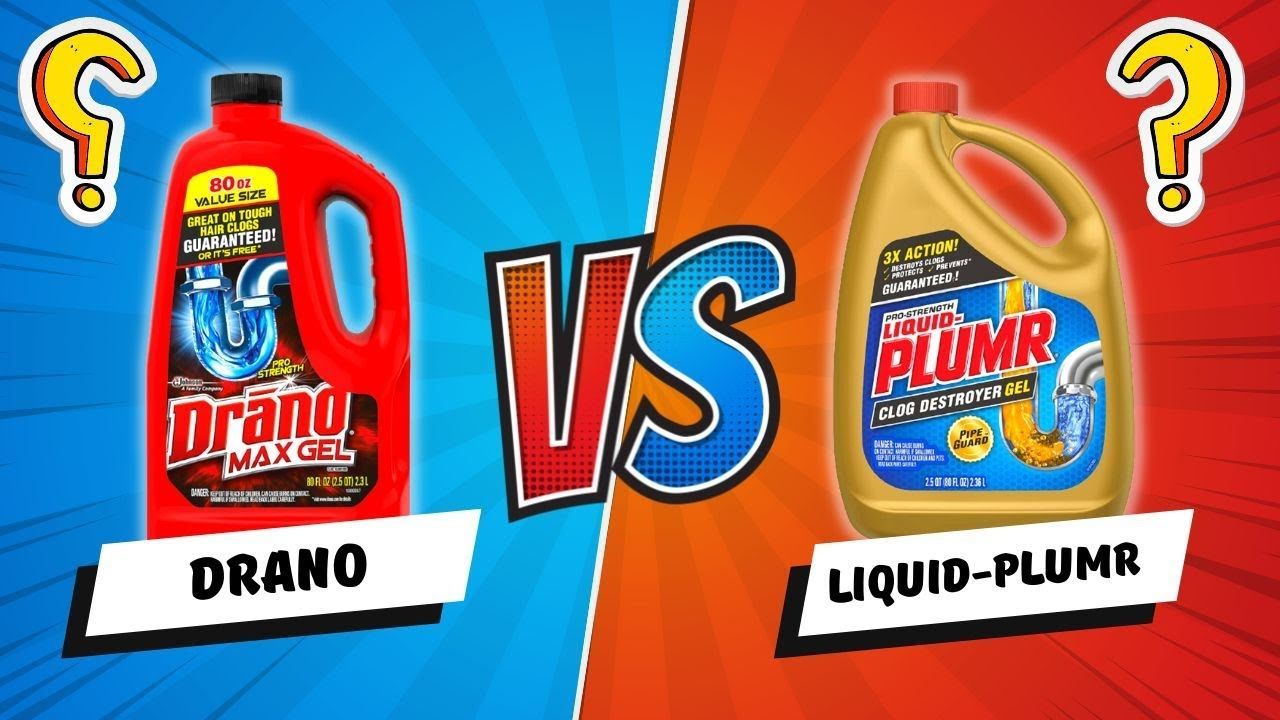
The debate about Liquid Plumr vs. Drano, which is better, has been ongoing for a long time among homeowners and professionals alike. Both products are famous for clearing blocked drains & clogged toilets due to their effectiveness and ease of use. However, the question remains: Which is Liquid Plumr vs. Drano better?
Liquid Plumr is known for its dual-action formula that clears blocked drains and prevents new toilet clogs from forming. It is safe for all plumbing pipes and septic systems, making it a versatile choice for households. However, while it is effective against most toilet clogs, there have been reports of it needing to be more successful against more challenging toilet blockages.
On the other hand, Drano has been a trusted name in the industry for decades. Its powerful formula can break down even the most challenging clogs quickly and efficiently. It's also safe for all types of pipes and septic systems. Yet, some users have reported that repeated usage can damage pipes over time.
How To Snake a Toilet
Knowing how to snake a toilet is essential to saving Denver homeowners from costly plumbing services. This process dislodges any blockages within your toilet's pipes. Here is a step-by-step guide on how to snake a toilet.
Before you start, it's essential to equip yourself with the right tools. A toilet or closet auger is the go-to tool for snaking a toilet. This specialized plumbing tool is designed with a long flexible metal rod attached to a handle. It's this tool that will help you break up or retrieve the clog in the toilet.
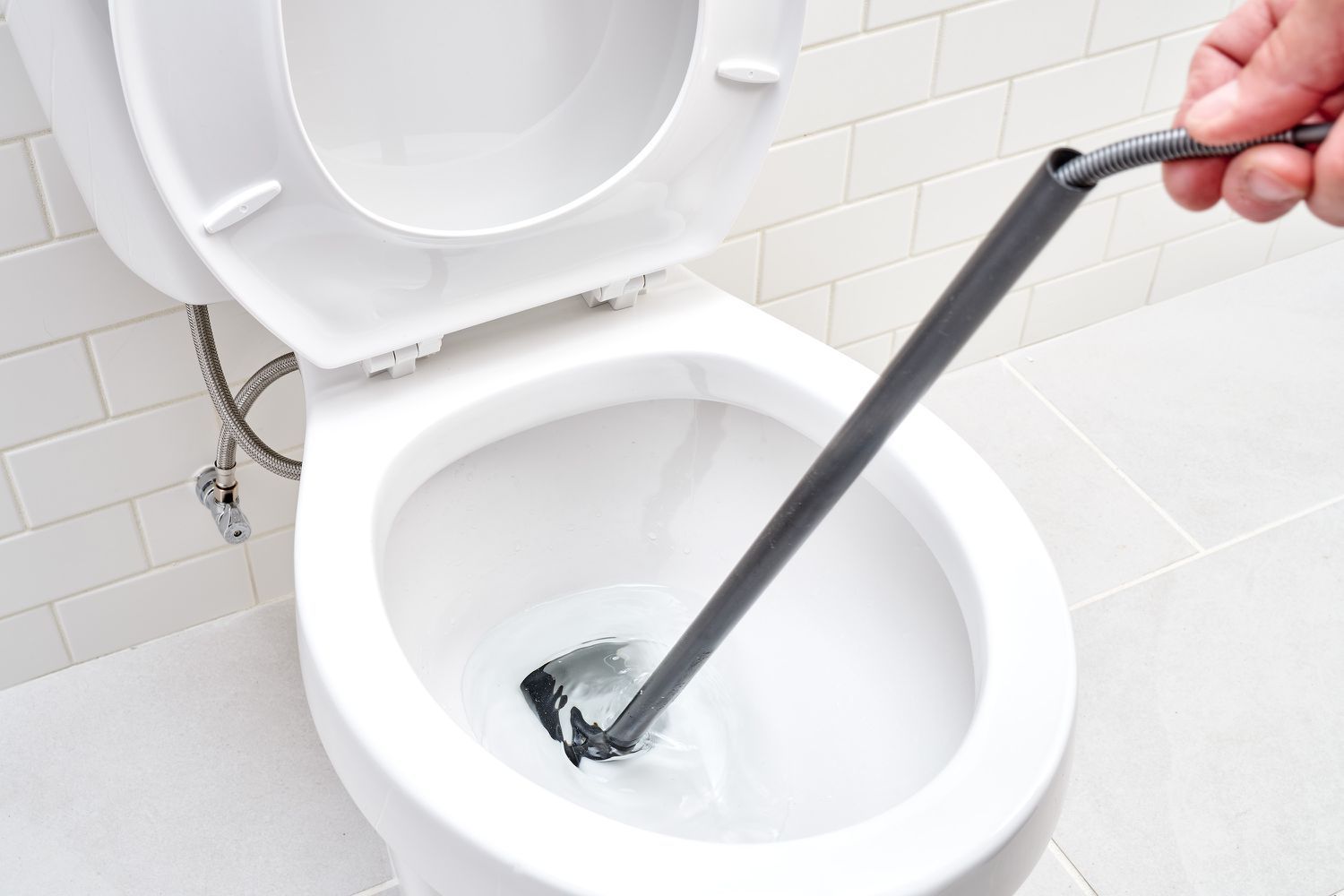
Place the curved end of the snake auger into the toilet bowl while holding onto the handle to snake a toilet. Then, gradually turn the handle clockwise to feed the rod into the drain. The goal here is to reach the clog and break it up or pull it out.
When you feel resistance, which indicates you've reached the clog, continue turning the handle to break up the blockage. If you cannot break it up, try pulling the auger out - often, this can bring the clog with it.
After snaking the toilet, flush it a few times to ensure water flows freely. If you still notice problems with flushing or refilling, you may need to repeat the process.
Learning how to snake a toilet can be a game-changer, saving you both time and money when dealing with minor clogs. However, it's important to remember that for more severe or persistent issues, it's best to consult a professional plumber. The key to success when snaking a toilet is patience and gentle handling. Rushing the process could lead to damage to your toilet's plumbing system.
Drano For Toilets
Drano for toilets is a popular choice for many homeowners when dealing with stubborn clogs. This powerful product has been a trusted solution for many years, effectively breaking down and dislodging blockages that can cause significant inconvenience and potential damage in the bathroom. However, it's important to note that while Drano for toilets is effective, it should be used only when the clog is serious. Always use a plunger first to prevent damage to the toilet's internal pipes & plumbing.
Drano for toilets is formulated to be safe for all types of pipes, including PVC, plastic, copper, and older pipes. However, overuse or misuse of the product could lead to corrosion or pipe degradation over time. Therefore, using Drano in toilets is recommended only when necessary and only after following the manufacturer's instructions.
Moreover, while Drano for toilets is highly effective at clearing clogs, it's not a substitute for your power in maintaining your toilet's cleanliness. Regular cleaning and avoiding flushing non-flushable items can prevent the need for Drano in the first place. In summary, while Drano for toilets provides a convenient solution to occasional toilet clogs, it should be used responsibly and in combination with good plumbing practices.
Why Drano is an Effective Toilet Clog Remover
Drano is a top-rated product that has proven effective at clearing clogs in toilets and other plumbing fixtures. But why is Drano an effective toilet clog remover? Several attributes contribute to its effectiveness.
Firstly, Drano contains powerful ingredients that work to break down the most stubborn clogs. It uses a unique formula that includes Sodium Hydroxide, Sodium Hypochlorite, and Sodium Silicate which are known for their potent dissolving properties.
These ingredients work together to effectively dissolve organic matter such as toilet paper, hair, and grease that are typically responsible for creating blockages in the toilet pipes.
Secondly, Why Drano is an Effective Toilet Clog Remover is because of its fast-acting nature. Unlike other clog removers that might require prolonged exposure to the clog or multiple applications, Drano starts working as soon as it comes into contact with the blockage. This means less time spent waiting for results and more time enjoying a fully functional toilet.
Additionally, Drano is easy to use. With a simple pour-and-wait method, even the most novice homeowner can effectively clear a clogged toilet. This ease of use contributes to why Drano is an effective toilet clog remover, making it a go-to solution for many households.
Lastly, Drano's effectiveness extends beyond just removing clogs. It also cleans and deodorizes toilet pipes, leaving them residue-free and smelling fresh. This added benefit elevates Drano from just a clog remover to an all-around toilet maintenance solution.
Drano is an effective toilet clog remover, thanks to its potent formula, fast-acting nature, ease of use, and additional cleaning and deodorizing benefits. This makes it an excellent choice for maintaining the functionality and hygiene of your toilet pipes.
Toilet Drain Cleaner
A toilet drain cleaner is an indispensable tool in maintaining the cleanliness and functionality of a bathroom. It is a specialized solution designed to clear obstructions in the toilet's drainage system, ensuring a smooth, seamless flow. This product not only ensures the efficient operation of the toilet but also reduces the risk of unsanitary conditions caused by clogs.
Toilet drain cleaners are formulated with powerful, effective ingredients that act swiftly to disintegrate accumulated debris in pipes. These components are safe for the pipes, causing no damage or corrosion while eliminating the blockage. Choosing a high-quality toilet drain cleaner is critical to preserving the longevity of your toilet system, as substandard products can cause pipe damage or ineffective clog removal.
In addition, a good toilet drain cleaner also plays an integral role in maintaining a pleasant bathroom environment. By getting rid of clogs, it prevents unpleasant odors caused by stagnant water or waste buildup. Therefore, regular use of a toilet drain cleaner promotes not only cleanliness but also a refreshing atmosphere in the bathroom.
A toilet drain cleaner is a necessary product for every household or establishment. It ensures the optimal functioning of the toilet system and contributes to a clean and odor-free bathroom. Choosing a top-quality toilet drain cleaner is an investment that pays off over time through problem-free toilet operation and maintained hygiene.
Commode unclogger
A commode unclogger is an essential tool in any household or commercial establishment. It is a device designed to unclog toilet blockages, ensuring optimal performance and preventing unsanitary overflows. The commode unclogger is commonly used when the traditional plunger fails to remove the obstruction.
There are various types of commode uncloggers available in the market, each with its own unique features and purposes. Some commode uncloggers are designed to break up or extract the obstruction, while others utilize air pressure or water jets to clear the blockage. Regardless of their design, the primary function of a commode unclogger is to restore the normal flow of water in the toilet.
The efficiency of a commode unclogger depends on its design and the type of blockage it is dealing with. A high-quality commode unclogger can handle a variety of obstructions, from paper products to organic waste. It should also be durable, easy to use, and safe on the toilet's plumbing system.
Using a commode unclogger not only ensures your toilet functions properly but also helps maintain a clean, healthy environment. A blocked toilet can cause unpleasant odors and potentially harmful bacteria to circulate in your home or business establishment.
The commode unclogger is an indispensable tool in maintaining the sanitation and cleanliness of your bathroom facilities. Investing in a reliable and effective commode unclogger can save you time, money, and the inconvenience of dealing with a blocked toilet. So, if you encounter a stubborn clog that your plunger can't handle, remember that a commode unclogger could be your best solution.
What are Some Best Practices for Regular Toilet Maintenance?
How to Maintain Your Toilet for Optimal Performance
Regular toilet maintenance isn’t just about handling blockages when they occur—it's about preventing them from happening in the first place. Here are some best practices to keep your toilet in top condition:
Limit Flushing Items: Stick to flushing only human waste and toilet paper. Avoid throwing anything else into the toilet, such as wipes, feminine hygiene products, or other non-dissolvable items.
Develop a Maintenance Routine: Periodically check for any signs of clogs or leaks. Addressing small issues early can prevent larger, more expensive problems down the line.
Educate Your Household: Ensure that everyone in your household understands what is appropriate to flush and what isn’t. Knowledge is key to preventing avoidable clogs.
By incorporating these practices into your regular household upkeep, you can help ensure a long-lasting and efficient toilet system.
How Often Should I Check The Inner Workings of My Toilet to Prevent Clogs?
Check the Inner Mechanisms at Regular Intervals
To help prevent unexpected clogs and ensure your toilet operates smoothly, it's wise to inspect its internal components at least twice a year.
This includes lifting the tank lid to examine the flapper, fill valve, and other moving parts for signs of wear or buildup. Regular checks like these can catch potential issues before they lead to bigger problems, giving you peace of mind and extending the life of your plumbing.
Alternative Toilet Unclogging Solutions
In addition to chemical cleaners, homeowners can try flange plungers, toilet augers, or enzymatic drain cleaners. Natural methods like hot water and dish soap may help with minor clogs, while persistent issues often require professional drain cleaning.
What are Better Alternatives to Using Drano for Unclogging Toilets?
Better Alternatives to Using Drano for Unclogging Toilets
When facing a clogged toilet, it's advisable to consider safer and less harmful options than using chemical cleaners like Drano. Here are some practical alternatives:
1. Plunger- A plunger is the most common and immediate tool to reach for. Make sure you have a good seal around the drain opening, and use a forceful in-and-out motion to dislodge the clog.
2. Plumbing Snakes—A more thorough tool than plungers, plumbing snakes can reach deeper into the drain to remove obstructions further down the pipeline.
3. Hot Water- Sometimes, pouring hot water into the toilet can help dissolve the clog, especially if it's organic. Be cautious with the temperature to avoid cracking the porcelain.
These methods are generally more environmentally friendly and pose less risk of damaging your plumbing system than chemical solutions. However, if these tools do not resolve the issue, it might be necessary to call a professional plumber.
How Can Toilet Clogs Be Prevented?
Preventing toilet clogs is essential for ensuring a smoothly functioning bathroom and avoiding costly plumbing repairs. Here are practical steps to keep your toilet clog-free:
Flush Responsibly
Only flush items that are meant to be flushed. Stick to toilet paper, which is designed to break down easily in water. Items like wipes, feminine hygiene products, and paper towels may seem flushable, but they often cause blockages.
Conduct Regular Checks
Routine maintenance is your best defense against clogs. Inspect the toilet for signs of slow drainage or minor clogs. Early detection allows you to address small issues before they escalate into major problems.
Educate Everyone at Home
Ensure that everyone in the household understands what not to flush. Educating children and guests on the do's and don'ts of toilet use can significantly reduce the risk of clogs.
Adopt a Routine Cleaning Schedule
Keep your toilet and plumbing in top shape with regular cleanings. Use non-corrosive cleaners to keep pipes clear without damaging them.
Consider a Well-Fitting Plunger
Invest in a quality plunger that's effective at the first signs of a clog. Having the right tool on hand can make all the difference in preventing minor clogs from turning into catastrophic ones.
By following these guidelines, you can maintain a clog-free toilet and ensure a hassle-free bathroom experience.
Can Toilets Unclog Themselves without Intervention, and How Long Should I Wait to See if This Happens?
Can Toilets Unclog Themselves?
In some cases, a toilet may naturally resolve a clog without needing immediate action. If you notice that the water level in the bowl is slowly dropping, it’s possible that gravity and water pressure are helping to break up the blockage. Give it about 20 to 30 minutes to see if the water drains completely and the clog clears on its own.
However, if there’s little to no movement after that window, it’s best to try the mechanical methods mentioned above. Acting promptly prevents a minor clog from becoming a more stubborn or costly plumbing problem.
Why are Professional Plumbing Services Important?
The Importance of Professional Plumbing Services
When it comes to plumbing issues, the temptation to tackle the problem yourself can be strong. However, relying on professional plumbing services brings numerous benefits that outweigh the DIY approach.
Expertise and Precision
Professional plumbers possess the knowledge and training necessary to pinpoint plumbing problems accurately. Unlike a quick online search or a YouTube tutorial, they bring years of experience and expertise to the table. This ensures that the root cause of issues, such as persistent clogs or leaks, is identified and addressed effectively.
Effective Solutions
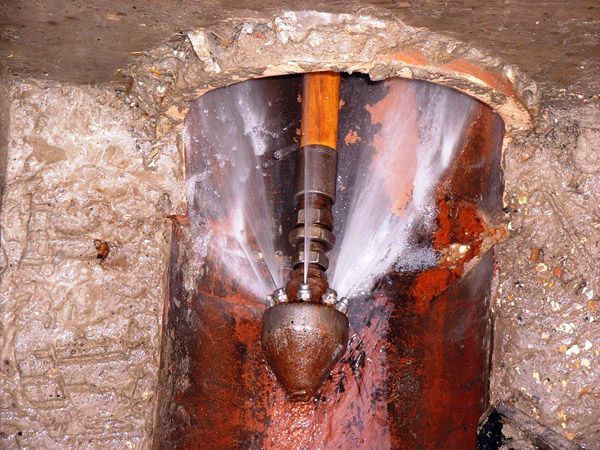
Professionals have access to advanced tools and techniques that most homeowners don't. Whether it's using camera inspections for diagnosing blockages or employing hydro jetting to clear stubborn clogs, professional services ensure effective and lasting solutions.
Long-term Savings
Engaging a professional can be a smart financial decision. Routine maintenance by experts can detect potential problems before they escalate into costly repairs. In the long run, this proactive approach can save you both time and money by preventing major plumbing disasters.
Peace of Mind
Hiring a professional plumber comes with the assurance that the job is done right the first time. You won’t have to worry about hidden leaks damaging your property or recurring issues disrupting your daily life.
While taking matters into your own hands might seem cost-effective initially, professional plumbing services deliver long-term value through their expertise, advanced solutions, and preventative measures.
What are the unique conditions in a toilet make Drano unsuitable for unclogging?
Toilets often face blockages caused by materials that should not be flushed, like wet wipes, feminine hygiene products, cotton swabs, and tissues. These items break down in the water more slowly than typical waste and toilet paper and thus create a distinct challenge when it comes to unclogging.
The density and composition of these materials mean that simple solutions used for sink clogs, such as water pressure or standard chemical cleaners like Drano, often need to be more effective and appropriate for toilet clogs. Unclogging toilets demands a different strategy for effectively clearing the blockage without damaging the plumbing.
Why is Drano not recommended for unclogging toilets with solid waste blockages?
Why You Should Avoid Using Drano for Solid Waste Toilet Clogs
When you are dealing with a toilet clog caused by solid waste, reaching for a chemical solution like Drano might not be the best approach. Here's why:
1. Ineffective on Solid Blockages: Drano and similar products are formulated to handle inevitable clogs, primarily grease, hair, and soap buildup. Solid waste clogs are much less susceptible to chemical treatments. Using Drano on a solid blockage typically has little to no effect on resolving the issue.
2. Potential for Damage:
Chemical cleaners are harsh and can cause significant damage to plumbing if misused. When used in toilets, particularly on solid blockages, they aren't flushed away by the water and can sit in the plumbing. This prolonged contact can degrade the piping and the toilet's internal components, leading to leaks or even more severe damage.
3. Health and Safety Risks: Harsh chemicals also pose health risks, in addition to the potential for physical damage to your plumbing. If Drano is used and fails to clear the clog, any subsequent use of a plunger or snake can cause the chemical to splash back, risking burns or other injuries.
4. Additional Risks to Toilets and Pipes: The heat generated by chemical drain cleaners like Drano can actually crack porcelain toilets, causing expensive and sometimes irreparable damage. For pipes, especially older or PVC piping, prolonged contact with these chemicals can lead to corrosion, warping, or even complete failure of your plumbing system.
5. Environmental Impact:.When chemical cleaners are flushed away, their toxic ingredients enter the sewer system and eventually make their way into waterways. These chemicals can harm aquatic life and disrupt delicate ecosystems, posing a risk far beyond your own bathroom.
What To Do If Drano Doesn't Work?
If chemical drain cleaners like Drano don’t resolve the clog, it’s important not to keep repeating the process. Reapplying these products can escalate the risk of chemical exposure and potential damage to your plumbing. Instead, this is the point where you should stop and call a professional plumber. Trained experts have the right tools and experience to safely remove stubborn blockages without putting your health or your pipes at risk.
Effective Alternatives
Plungers: An excellent old-fashioned plunger can often effectively apply the necessary pressure and movement to dislodge a solid waste clog.
Plumbing Snakes: For more stubborn blockages, a plumbing snake or a toilet auger can physically remove the clog without the need for harmful chemicals.
If you’re dealing with minor clogs, consider some additional safe and reliable methods:
- Natural Solutions: Combining baking soda and vinegar can help dissolve smaller, organic blockages without introducing harsh chemicals into your pipes.
- Enzymatic Drain Cleaners: These use natural enzymes to break down organic material and are gentler on both your toilet and the environment.
By sticking to these traditional methods, you can safely and effectively deal with toilet clogs caused by solid wastes without the adverse effects of using chemical solutions like Drano.
What is Drano primarily designed for cleaning?
Drano is specifically formulated to tackle clogs in sink drains rather than toilets. This ordinary drain cleaner is optimized for use in kitchen and bathroom sinks, where it effectively clears blockages caused by food particles, hair, and other common debris. Using the product as directed for safety and effectiveness is essential, especially considering it is unsuitable for toilet clogs.
What harm can Drano cause to plumbing systems, health, and the environment?
Drano, a common choice for clearing clogged pipes, contains harmful chemicals, including a lye-like substance and hydrochloric acid. These components are highly effective at dissolving blockages but pose significant risks to plumbing systems, human health, and the environment.
Impact on Plumbing- The harsh chemicals in Drano can deteriorate plumbing infrastructure. For instance, the heat generated by its chemical reactions can cause PVC pipes—widely used in modern plumbing—to soften or warp. Metal components, such as toilet bolts and seals, are also vulnerable to corrosion, leading to potential leaks and other costly damages.
Health Risks: The potent formula of Drano can potentially pose serious health risks if iyou nhale or if it comes into contact with skin or eyes. Drano has a corrosive nature can cause severe burns and other acute injuries. Regular exposure in confined spaces, like bathrooms, can lead to long-term respiratory issues.
Environmental concerns to be aware of?
When any Drano product is washed down the drain with hot water, Drano's toxic ingredients will enter sewer waterways, threatening water quality and aquatic life. The pollution can disrupt ecosystems and harm species that drink or live in the contaminated water.
For safer alternatives, consider using mechanical tools like plungers or plumber's snakes. These tools are effective and do not create harmful chemicals into your home or the environment.
Drain Brain LLC specializes in unclogging Toilets & keeping your toilet clear and clog free. Drain Brain LLC specializes in drain, water sewer line pipes we are the best Denver drain and sewer cleaning service. Drain Brain LLC has the skills and equipment to perform residential and commercial sewer video camera inspection so that problems are detected fast.
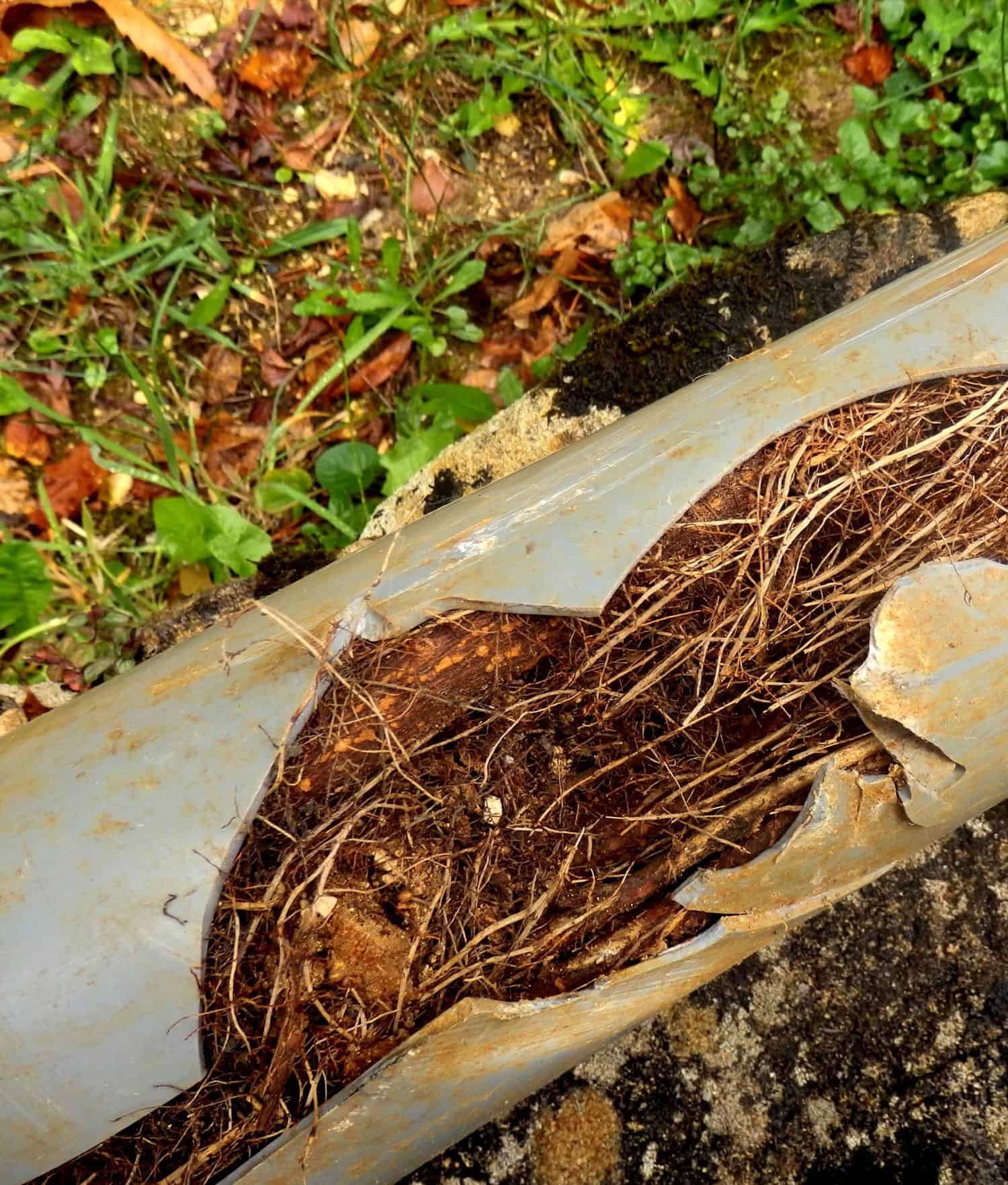
This will help solve issues like clogged toilets & drains, leaking pipes, broken pipes, and other sewer line issues. Locating the exact causes of problems early saves clients numerous headaches.
For superior Sewer and Drain line cleaning, unclogging sink, toilet & shower drains, home and business owners can schedule an appointment by calling Drain Brain LLC today at 720-322-4845.
Frequently Asked Questions About Using Drano for Toilet Clogs
Is Drano safe to use in toilets?
Drano can be used in toilets only when the product label specifically allows it and instructions are followed carefully. Drano is designed to dissolve organic materials like toilet paper and waste, but improper use or overuse may damage plumbing or create safety hazards. It should never be mixed with other cleaners or used repeatedly as a long-term solution.
What types of toilet clogs does Drano work best on?
Drano works best on soft, organic clogs, such as those caused by toilet paper buildup, human waste, and soap residue. It is not effective for hard blockages like toys, wipes, feminine hygiene products, or mineral scale. These types of clogs usually require mechanical tools or professional plumbing services.
Can Drano damage toilet pipes?
When used occasionally and according to instructions, Drano is generally safe for modern plumbing systems. However, frequent use or excessive amounts can weaken older pipes or worsen existing plumbing issues due to the heat generated during the chemical reaction. Persistent clogs should be evaluated rather than repeatedly treated with chemical cleaners.
Is Drano safe for septic systems?
Some Drano products are labeled as septic-safe when used properly, but chemical cleaners can still disrupt the natural bacteria that septic systems rely on. Homeowners with septic systems should limit chemical use and consider enzymatic cleaners or professional drain maintenance for recurring toilet clogs.
How long should you wait after using Drano in a toilet before flushing?
Most Drano products require 15 to 30 minutes to work before flushing, depending on the severity of the clog. Always follow the exact timing instructions on the product label. Flushing too early may reduce effectiveness, while waiting too long can increase exposure risks.
Can Drano be used if there is standing water in the toilet?
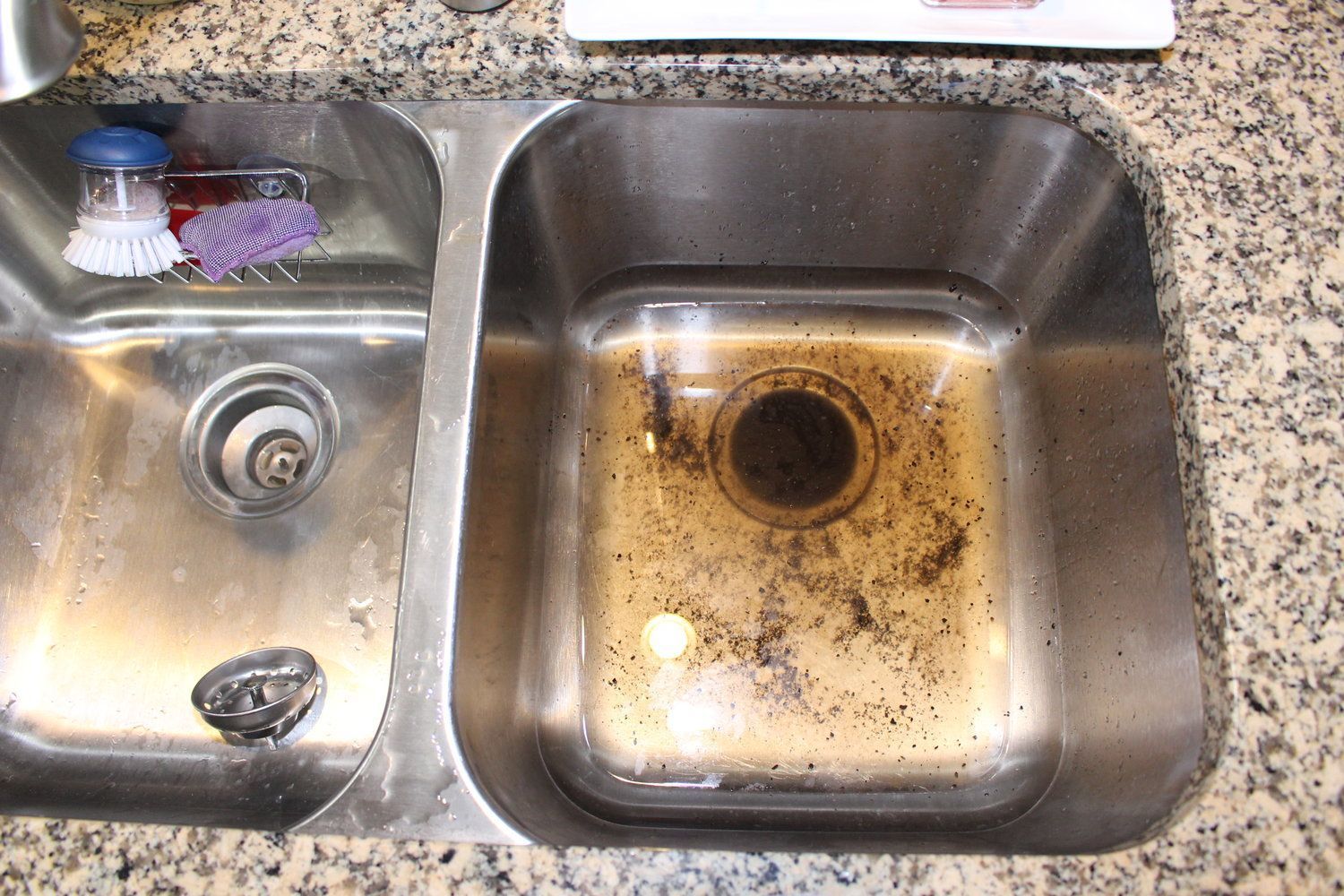
Drano Max Gel is formulated to sink through standing water and reach the clog. However, if the toilet bowl is close to overflowing, excess water should be removed first to prevent spills or splashing, which can be dangerous when using chemical cleaners.
What should you try before using Drano to unclog a toilet?
Before using chemical products, homeowners should try safer mechanical methods such as:
A flange plunger
A toilet auger (snake)
Hot water and dish soap for minor clogs
These methods often resolve simple clogs without the risks associated with chemical cleaners.
Can Drano fix recurring toilet clogs?
Drano may temporarily clear a clog, but recurring toilet clogs often indicate a deeper issue, such as pipe buildup, venting problems, or sewer line obstructions. Repeated chemical use can worsen these problems rather than solve them.
What happens if Drano does not unclog the toilet?
If Drano does not resolve the clog, do not add more product. Adding additional chemicals can increase pressure, heat, and risk of pipe damage. At this point, mechanical tools or professional plumbing services are the safest next step.
When should you call a plumber instead of using Drano?
You should contact a plumber if:
Toilet clogs happen frequently
Multiple drains are slow or backing up
The toilet overflows or gurgles
Chemical cleaners do not work
These signs often point to main drain or sewer line issues that require professional equipment and expertise.