Basement Sewer Line Repair Service
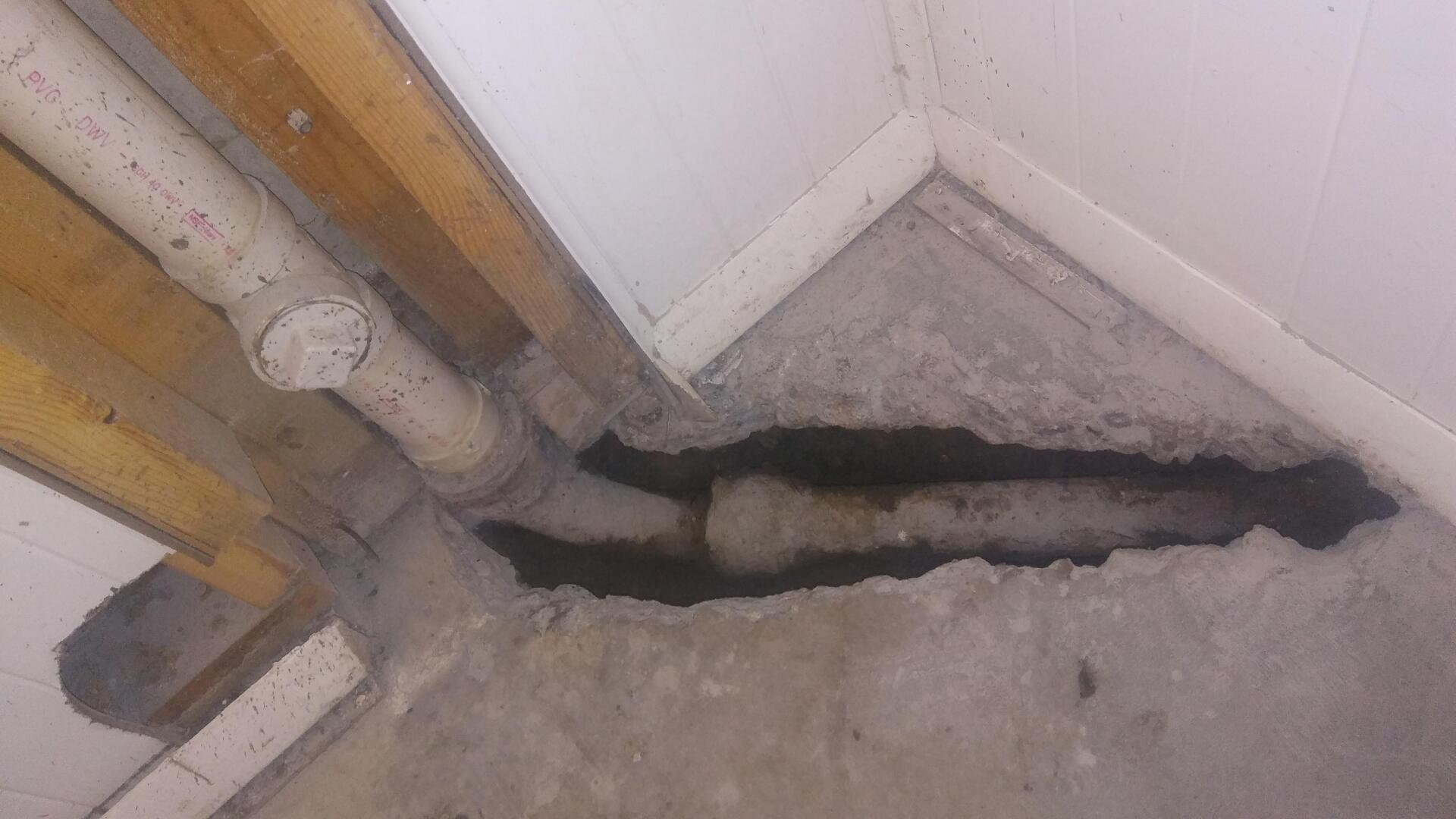
A lot of older homes, in most cases those built in 1972 & before use cast iron pipes for their sewage lines. Cast iron was the industry standard because of its longevity lasting sometimes up to 100 years — and its inherent strength, sturdiness, and excellent noise insulation.
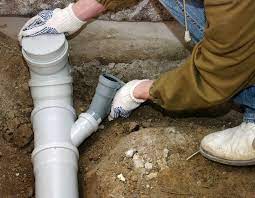
But as it turned-out, cast-iron sewer lines aren’t as indestructible as they once seemed. Today, cast iron pipe repairs — what we also call basement sewer line repair — involve replacing cast iron with synthetic, plastic or PVC piping.
The Process of Basement Sewer Line Repair
The crew at Drain Brain LLC specialize in basement cast iron pipe repairs. We know how important it is to protect your home, carpet, and flooring from this labor-intensive process. Our crews are trained to protect your home and get the job done quickly so that your sewer service is restored in a timely manner.
Before we begin any work, we cover all areas of your flooring where our crew will be working. We will quarantine the work area with plastic to reduce the dust and debris in the air.
Basics of the process:
- Protecting the home
- Jack hammers the concrete floor
- Remove soil to expose pipe
- Remove concrete debris and excess dirt
- Remove cast iron pipe
- Replace with new PVC pipe
- Properly bed with ¾ inch crushed granite
- Replace soil and compact
- Pour new concrete
- Replace flooring
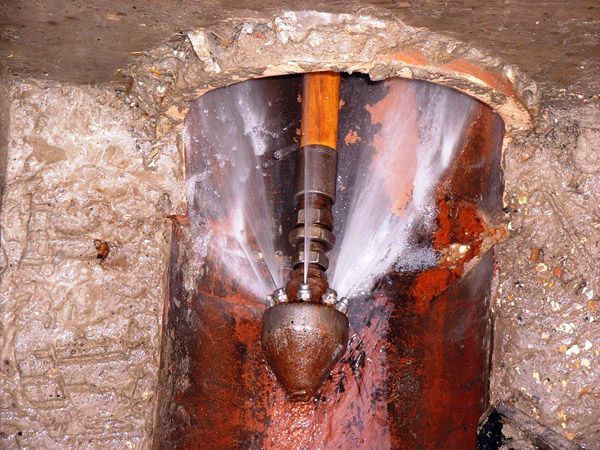
We will be sure that your new line will be properly sloped by running a sewer scope down the line to ensure sewage is flowing properly before the line is buried.
Common Causes of Sewer Line Damage That Require Cast Iron Pipe Repair Service
What kinds of damage creates the need for basement sewer line repair service? There are several common symptoms that every professional sewage repair technician has encountered in their work.
Corrosion. Cast iron pipes naturally degenerate over time through normal wear and tear. Constant exposure to sewage water and substances results in rust developing and accumulating on the inside of the pipe.
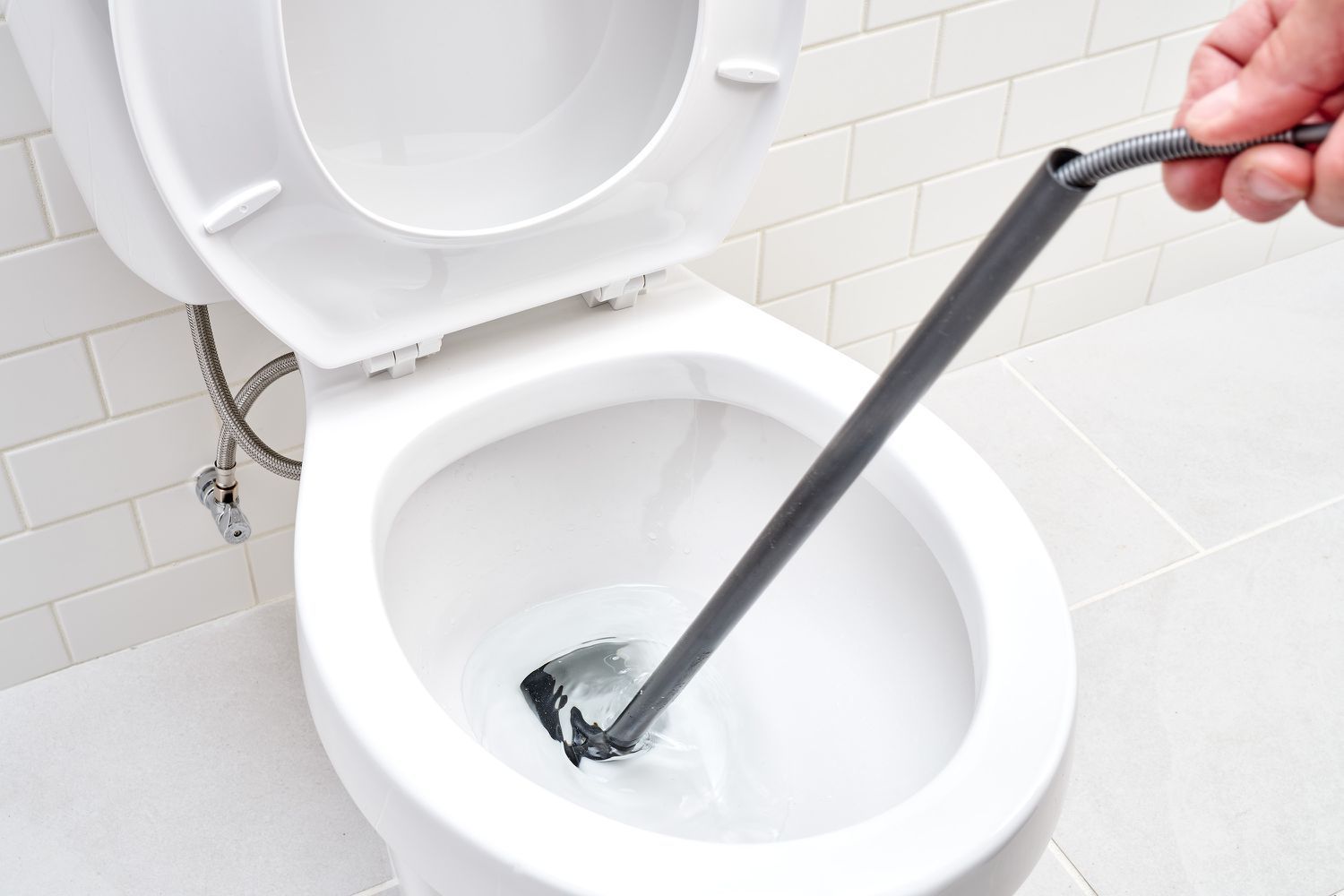
- Clogs. Poor maintenance of basement cast iron pipes often results in blockage from grease, sludge, oil, stray debris, and substances from within the house like toilet paper and hair. These clogs are frequent causes of cast iron pipe repair.
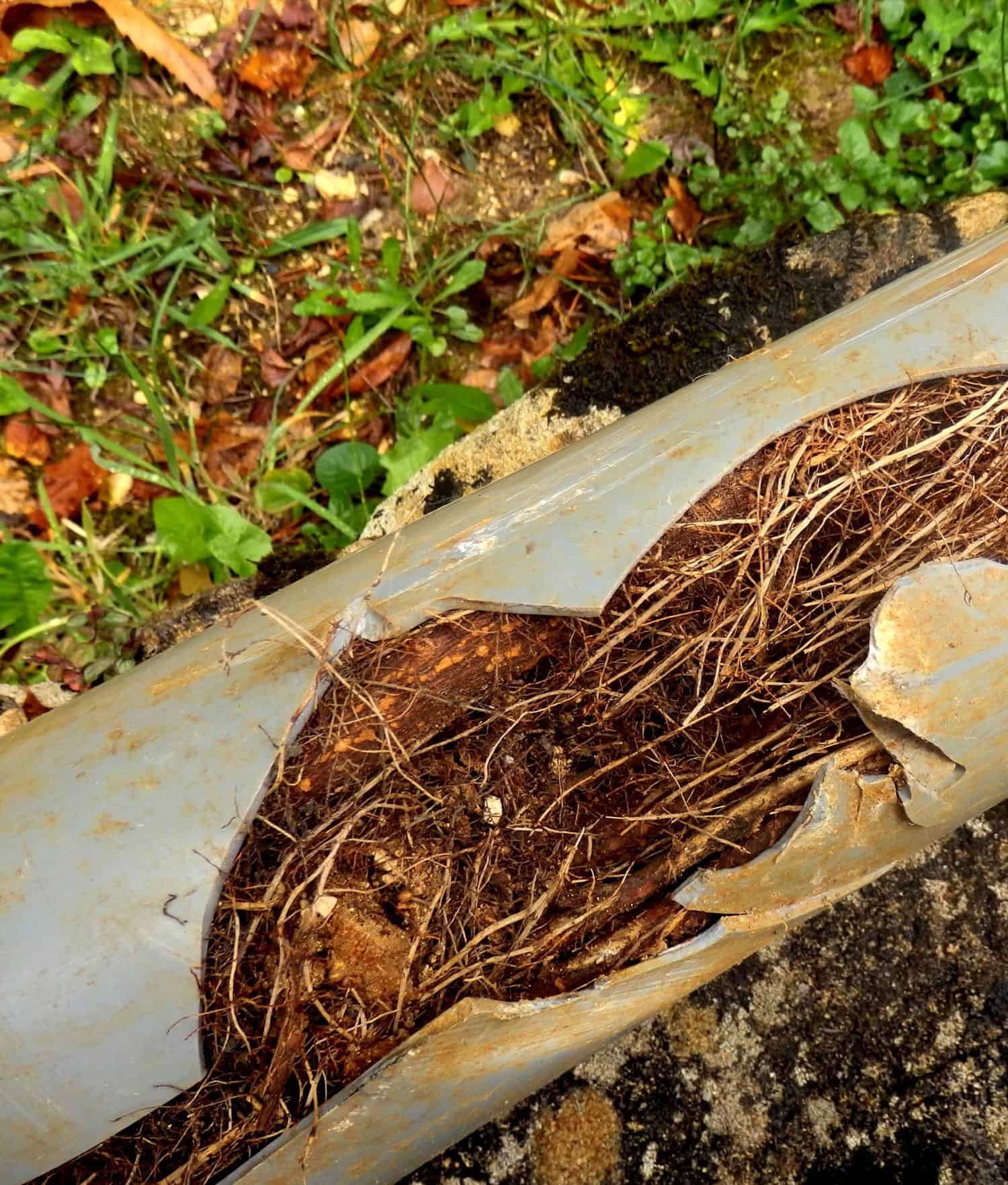
- Tree root infiltration. As trees grow, they come into contact with underground piping, or obstruct joints, outlets, or fittings to the extent that your pipes get damaged.
- Freezing and thawing. Extremely cold winter weather can cause pipes to constrict, and hot summer conditions allow them to expand. These seasonal extremes can warp pipes’ shape and construction.
- Earthquakes or seismic events. Earthquakes or seismic movement from nearby construction can disrupt the structural integrity of cast iron pipes.
- Poor design and installation. Some sewage networks were inadequately designed or sloppily installed, and require basement cast iron pipe repairs.
- Backup from public sewage systems. If a city or municipality sewer experiences backup, it could impact your basement sewage system.
Common Types of Cast Iron Pipe Leaks
Leaks in your septic system occur in many different forms from several sources. All may necessitate the need for basement cast iron pipe repair service.
- Leaks from bad pipe or retrofit connections. If lead hub joints were not properly prepared, or if improper clamps or hub less connectors were used to shore up the joints, the pipe may spring leaks and require repair.
- Breaks from using poor construction material. Defective cast iron can develop perforations along the sewage line or corrosion within the pipes.
- Splits from frozen cast iron drains. If the drain line is severely blocked, improperly pitched, or left full of standing wastewater and is then exposed to harsh, freezing conditions, fissures may appear.
- Dislodging from improper joint support. Pipe joints that aren’t effectively supported by hangers, restraints, or other materials may move out of place or cause separation between pipes.
- Mechanical impact breaks. A sudden jolt or strike from an outside event could lead to ruptures in your cast iron pipes, especially if they have insufficient joint and pipe support.
Common Symptoms That You May Need Basement Sewer Line Repair Service
Some problems with your sewage service are obvious to the naked eye, but other signs that you need cast iron pipe repair service aren’t so apparent. If you experience any of these problems or conditions in your home, call an interior sewer line repair service.
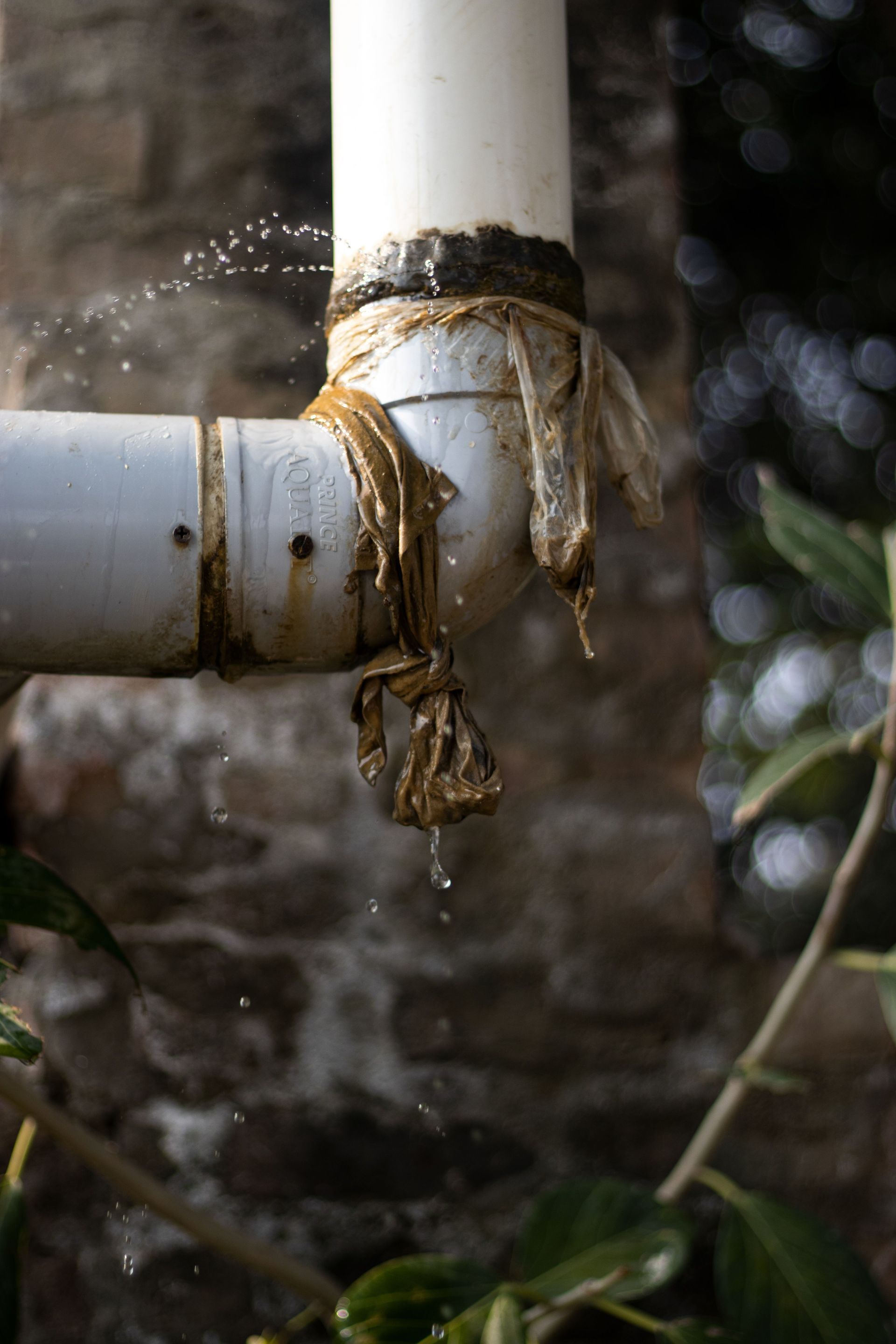
- Visible droplets of water or moisture in exposed sections of pipe.
- Foul odors that linger in your basement, yard, or other parts of your property
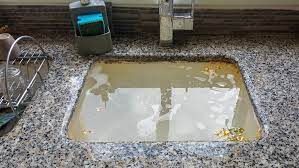
- A slow-draining tub, or one that doesn’t drain at all
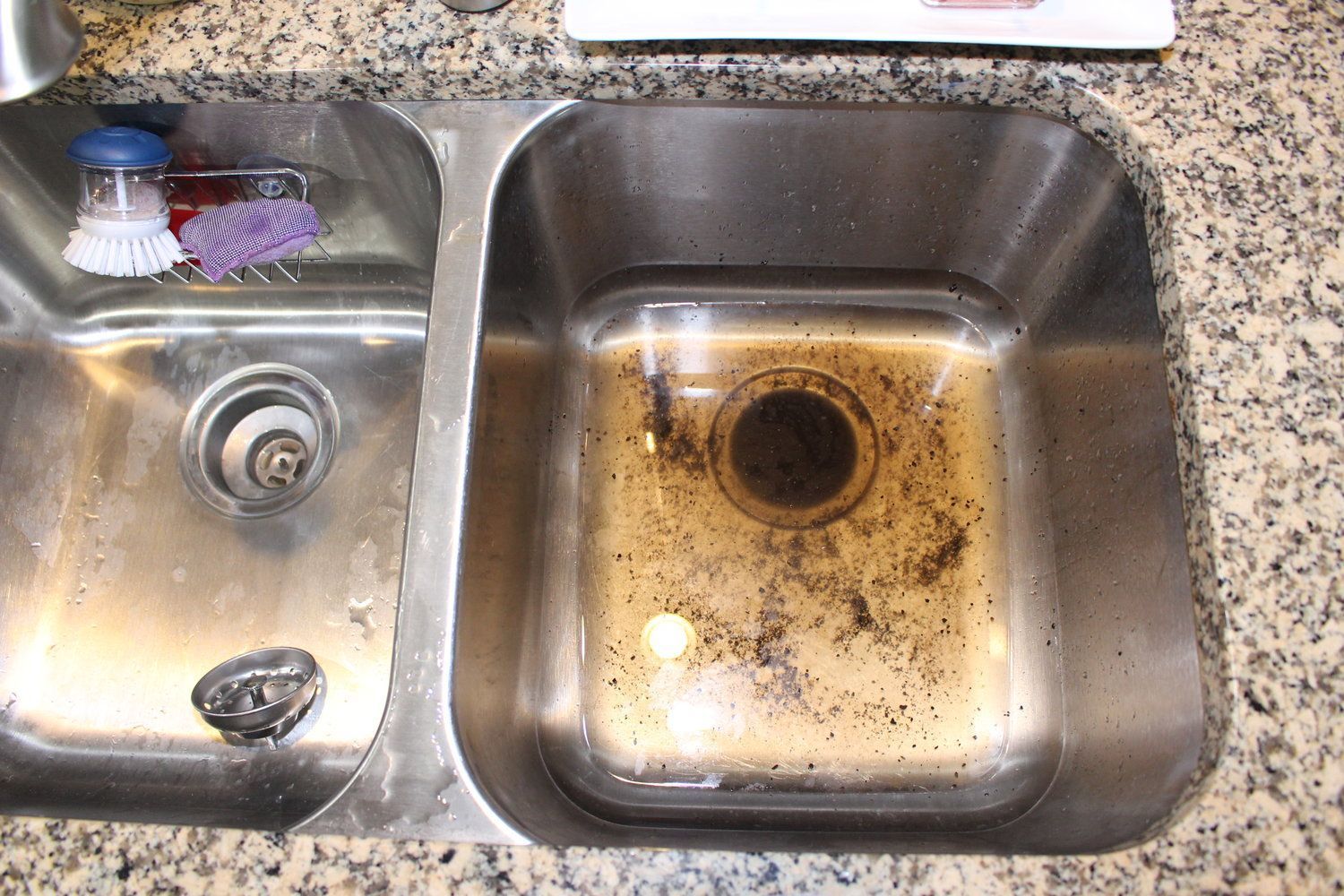
- Visible sewage backup in your toilet or tub
- Mold or mildew growth in spots along your sewage line, especially joints and drainage outlets
- Patches of greener grass above or near the sewage pipe that are noticeably darker than other areas of the lawn
- Structural foundation damage near the base of your septic system or along the cast iron line
- Indents or sags in your property along the sewage line
- Puddles or small pools collecting in areas that correspond to your septic line or tank
What to do if you have Sewage Backup
Call the professionals! Basement sewer lines are complex networks that require maintenance from professionals who repair them every day.
In preparation for their visit, however, you can and should take the following precautions to prevent accidental damage before they arrive:
- Evacuate any areas that might be flooded, and prohibit access from children or pets
- Turn off electric power in the area that’s flooded — but if you can’t reach the circuit breaker due to flooding, stay far away
- Shut off the valve for your home’s main water line, and don’t flush toilets or drain any sinks until it’s repaired
- Check your home insurance policy — it may not cover sewage problems unless through added endorsements
- Ventilate the area by opening windows and doors
How to Prevent Future Leaks After Replacing Cast Iron Pipes
After you’ve had your cast iron pipes replaced with more durable plastic pipes and joints, take a few simple steps to prevent extensive future repairs:
- Never empty used cooking oil or grease down your kitchen sink drain — this is a common cause of multiple plumbing problems, including sewer blockages.
- Flush your toilet properly. This means depressing the appropriate lever or button all the way down before releasing. Only use the toilet for human waste and toilet paper, never as a wastebasket.
- Install a backwater control valve to prevent used water from re-entering your home pipes.
- Trim or cut the tree roots in your yard to prevent interference with the piping system.
- Stay on top of proper sewer line maintenance. Control household water use, restrict hazardous household chemicals and use your garbage disposal wisely.
Why to Choose Drain Brain LLC for Basement Cast Iron Pipe Repair Service
Basement cast iron pipe repair and replacement, we have you covered. We have a dedicated process for replacing old cast iron pipes with high-quality, durable PVC materials. We offer top-quality service for reasonable and competitive rates, and always offer free estimates with no obligation to you.
Contact Drain Brain today for a free estimate or call 720-322-4845