HOW TO CLEAR A CLOGGED FLOOR DRAIN IN DENVER? (Updated)
How To Clear a Clogged Floor Drain in Denver?
Clearing a clogged floor drain in Denver can be challenging. If you are dealing with basement floor drains, slow bathroom drains, or any other floor drain issue, help is available. A certified plumber should be able to locate the source of the clog and recommend options for a permanent fix.
If you experience water build-up underneath basement floors or smell foul odors in the area, it’s time to get help from an expert. Professional technicians will have access to specialized tools, such as sewer snakes and cameras, that enable them to easily identify the problem and provide high-quality solutions to prevent future clogs.
Slow Floor Drains in Denver Basement
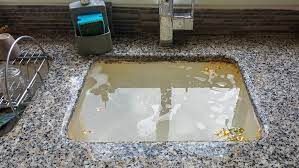
One of the most frustrating plumbing issues imaginable is when your Denver basement floor drains become slow or clogged. This can cause standing water to accumulate, especially in basement bathrooms, which can quickly lead to an unpleasant smell and health risks. Fortunately, it's not too difficult to fix a slow basement floor drain, but understanding the root cause is the key to finding a lasting solution. Common causes of blockages include a buildup of hair, soap scum, and other debris.
To unclog a basement floor drain, start by using a plunger and then scope down into the pipe and remove any debris you find with a snake auger or wire brush. After that, pour some boil water down the drain to clear any partial blockages and flush out residue. Finally, regularly maintain your basement floor drains by pouring bleach or hot vinegar down them once a month.
Why Floor Drains Clog — Common Causes in Denver
Floor drains can become clogged for several reasons:
- Dirt, sand, and debris from garage or basement floors.
- Hair, soap scum, and lint, especially around laundry and shower areas.
- Grease or oils that solidify in pipes and trap debris.
- Mineral buildup from Denver’s hard water, which can narrow pipes over time.
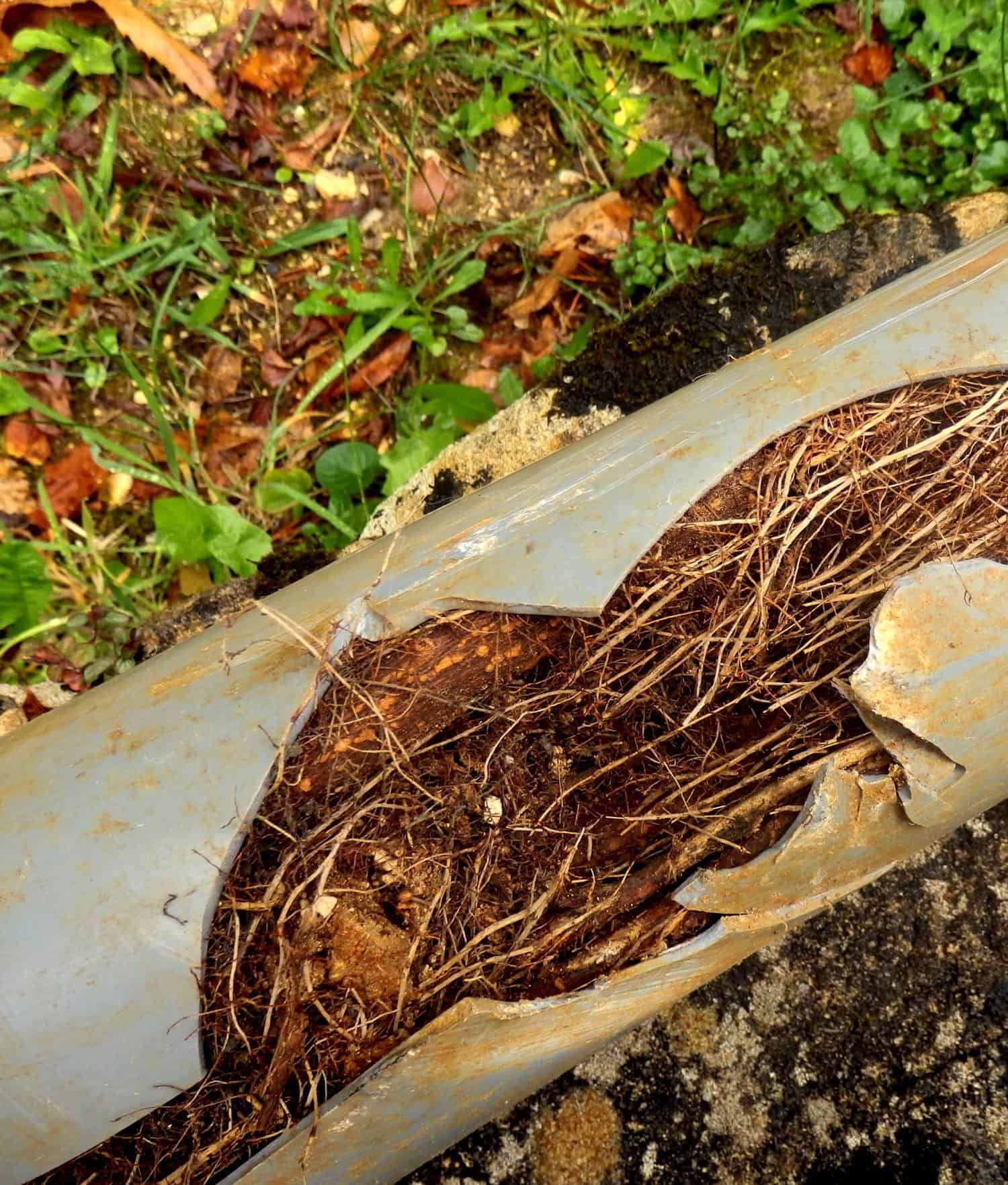
- Root intrusion in older sewer lines that back up into floor drains.
Understanding the cause helps you choose the right method to clear a clog effectively.

Types Of Basement Floor Drains?
•There are four types of basement floor drains: surface, trench, perimeter, and French.
• Surface drains are the most common type of basement floor drain. They are typically installed in concrete floors near the wall-floor joint or in a low spot in the middle of the floor.
• Trench drains are installed in a trench that is dug around the perimeter of the basement floor. The trench is then filled with gravel and covered with concrete.
• Perimeter drains are similar to surface drains, but they are installed around the perimeter of the basement floor instead of being located in a low spot on the floor.
• French drains are installed beneath the foundation footing and along walls to prevent water from seeping into your basement through cracks or gaps.
Cast Iron Basement Floor Drain in Denver
In Denver, cast-iron floor drains are a valuable addition to any basement. They offer practical, reliable protection against flooding and can even help maintain healthy air quality in your home by preventing the buildup of pollutants from rainwater. Cast iron is a corrosion-resistant material that helps prevent clogs, making it a great option for maintaining continuous drainage in and around your basement.
Moreover, cast iron floor drains won't corrode over time, providing lasting performance with minimal maintenance. In Denver's sometimes wet and windy weather, cast iron floor drains are essential components of a safe and comfortable basement environment!
Tools & Materials You’ll Need
Before you begin, gather these:
- Plunger — creates pressure to dislodge debris.
- Drain snake or auger — reaches deeper clogs.
- Gloves & safety gear — protect hands and eyes.
- Boiling water — loosens grease and residue.
- Bucket & towels — catch residual water.
Using the right tools makes unclogging safer and more successful.
How to Unclog a Floor Drain in Denver?
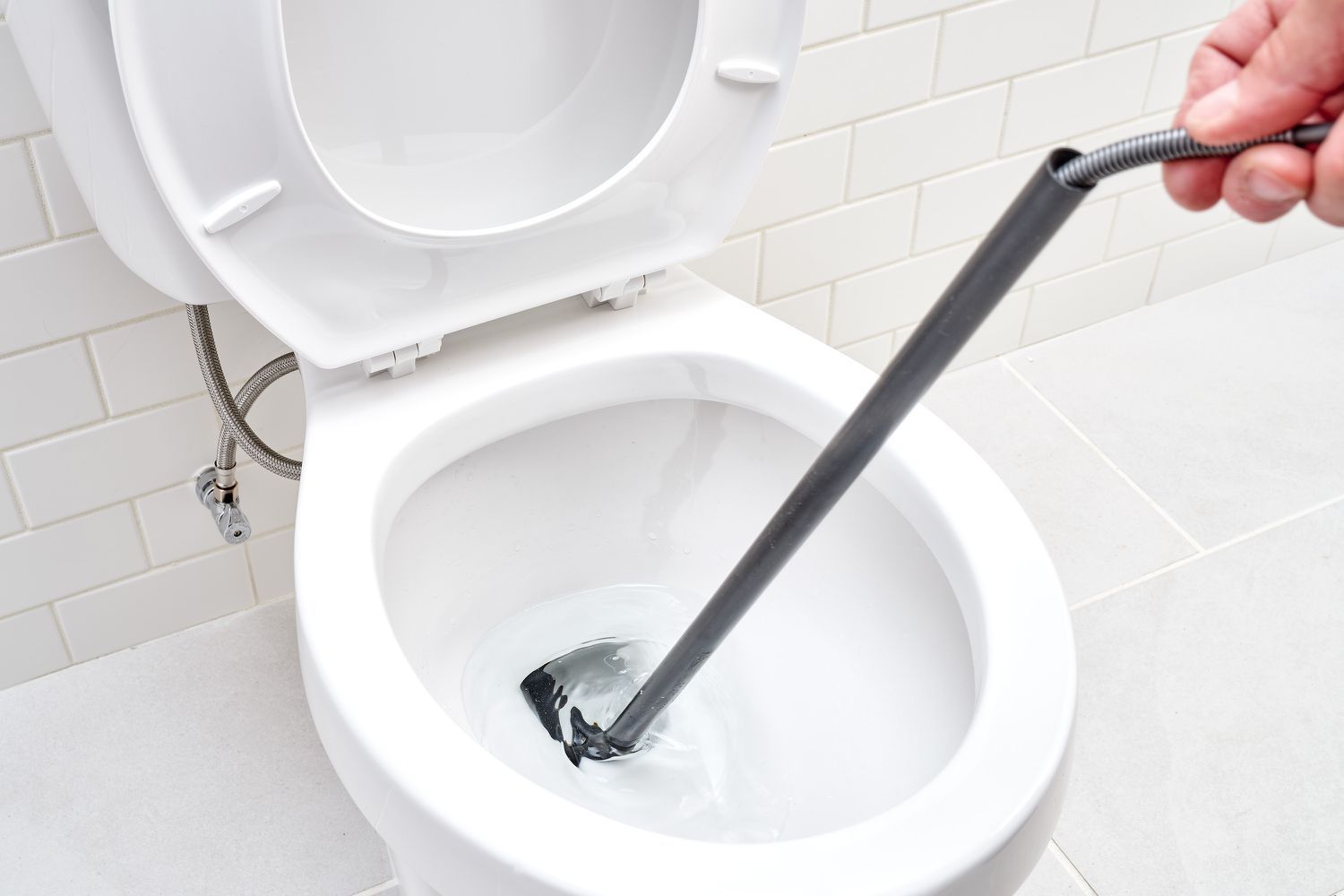
Unclogging a basement, bathroom, or other floor drain can be a daunting task. If you have noticed that your Denver floor drain is running slow and need to fix it quickly, it can be done in several easy steps. The first step is to remove the drain cover to gain access to the pipe's flow area. Once this is done, you should use a suitable type of plunger-- such as an accordion-style rubber cup plunger-- to build up pressure in the drain pipe and force out any fragments blocking it.
For more stubborn blockages, you may need to use a metal auger or plumber's snake to forcibly break up the clog. Be sure not to push the snake too far into the piping as this could cause damage to the interior walls of the drain pipe. With these simple steps, your Denver basement or bathroom floor drain will soon be flowing properly again!
How to Clean a Smelly Floor Drain in Denver?
Cleaning a Denver basement, bathroom, or other types of Denver floor drains is a necessary task to ensure plumbing efficiency and prevent blockages. To properly clean a floor drain, start by pouring hot water into the drain to check if it's still working. If you find that the drain is slow or clogged, use a rubber plunger to dislodge any debris and dirt in the pipes.
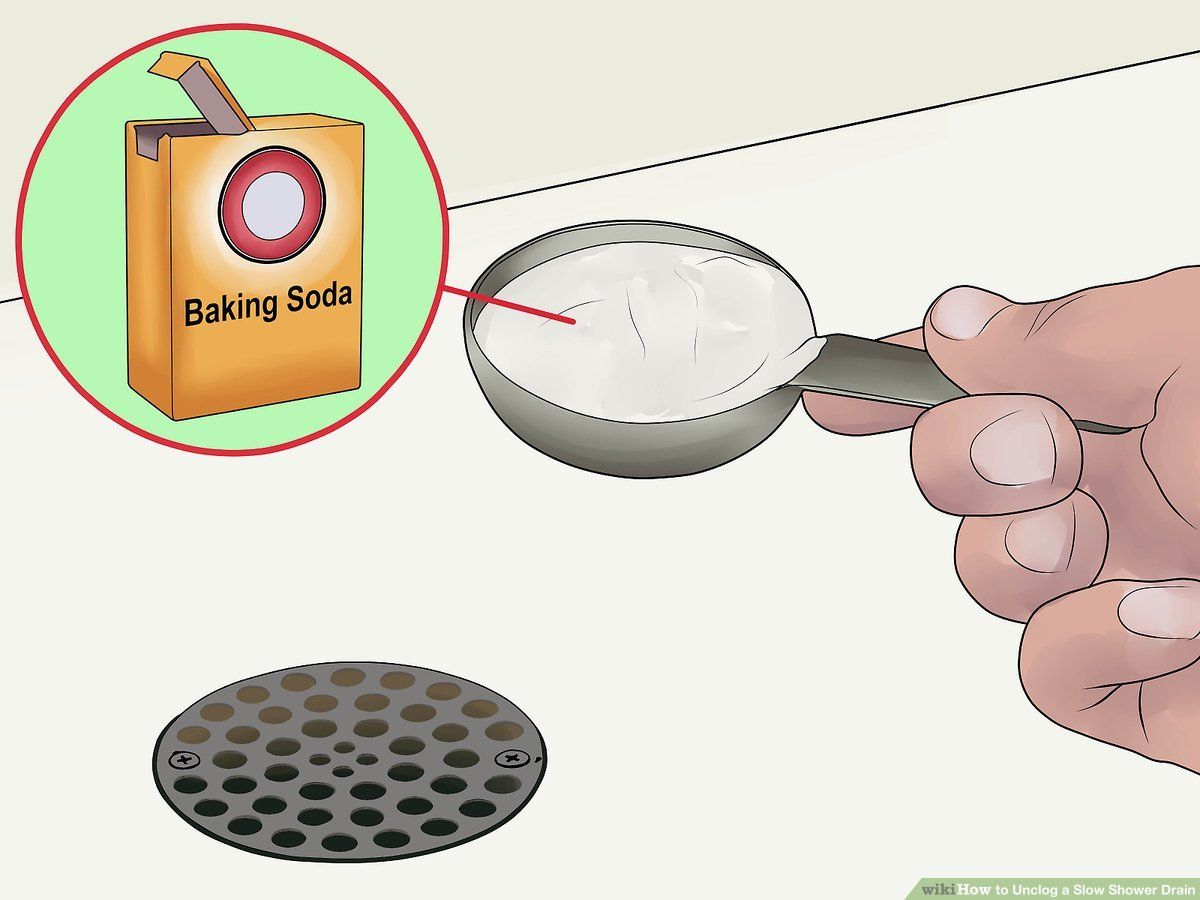
After plunging the drain several times, pour more hot water down the pipe. If this doesn't fix the issue, try using baking soda and white vinegar as natural alternatives or caustic chemical agents like sulfuric acid-based cleaners. Whichever method you choose, remember to wear protective gear such as gloves and eyewear before handling any harsh chemicals. With these tips for cleaning basement or bathroom floor drains in Denver, you can successfully get rid of clogs and keep your home's drains in top condition!
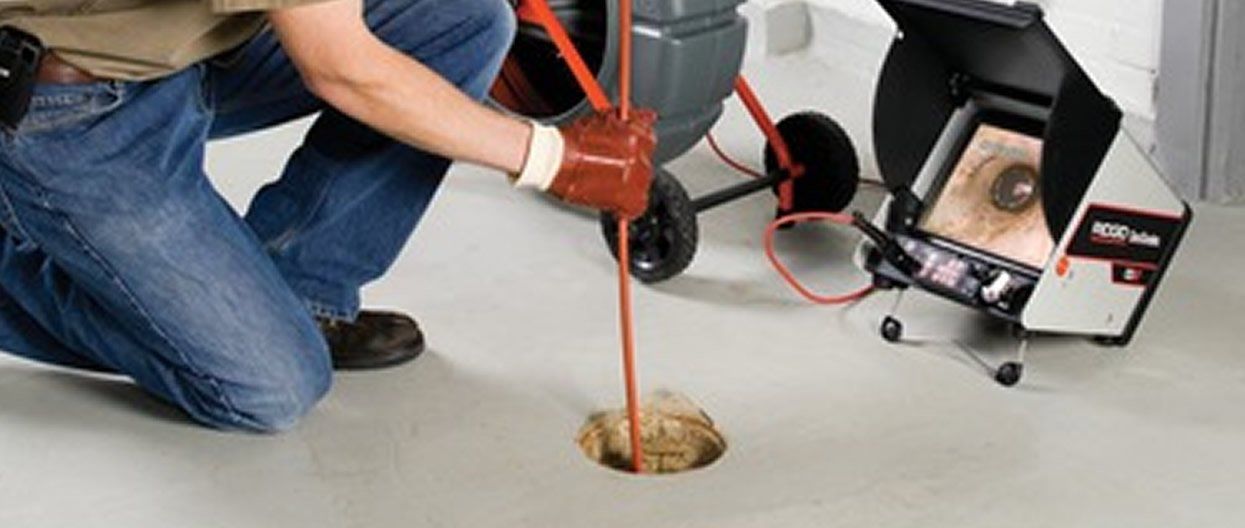
How To Snake a Floor Drain in Denver?
Living in Denver can present snowy, wet conditions which can cause incidents such as a clogged floor drain. If you are unfortunate enough to have your basement, bathroom or any other kind of floor drain back up and fill with water, snaking it correctly is essential to clear the blockage and restore proper drainage. The right snake for you depends on the size of the pipe you need to snake, so measure first then select an appropriately sized snake.
Once you have the snake and it has been tightened securely to its fitting, insert it into the slow-draining floor drain and crank it several times in different directions to remove all blockages and debris. After this process is completed, watch as any standing water is removed from your Denver home's floor drain!
Floor Drain Cover
Floor drain covers in Denver are an essential feature of most Denver plumbing systems. Whether in a home or a business, floor drain covers serve as an important means of preventing clogs, floods, and other potentially dangerous problems. Not only do floor drain covers give peace of mind by protecting the space from water damage, but they also help protect both people and pets from objects or material that can end up in the floor drain.
Since Denver floor drains are often hidden beneath flooring, a floor drain cover is mandatory to not only prevent items from falling in but also provide an easy-to-find access point for unclogging should it become necessary. Floor drain covers are available for nearly any need and can be found in sizes suitable for both residential and commercial applications.
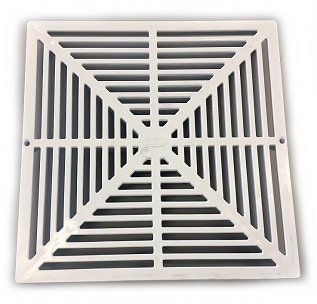
Zurn Floor Drains
Zurn floor drains have become increasingly popular in the Denver area. These innovative, high quality products provide an invaluable service to both businesses and homeowners, protecting them against flooding and structural damage that could be caused by a clogged or overflowing drain. Zurn floor drains are made from durable, corrosion-resistant materials, while their unique design makes them easy to install and maintain.
Their superior performance has made zurn floor drains a top choice for many commercial and residential buildings in Denver, as they provide lasting protection from even the most extreme weather conditions. Investing in zurn floor drains can save you considerable time and money down the road—they truly are a worthwhile investment for any home or business.
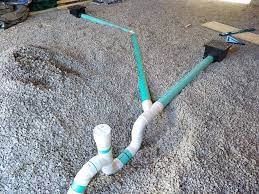
Garage Floor Drains
Have you ever heard of garage floor drains in Denver? These incredibly useful garage fixtures have made life easier for Denver residents, who no longer have to worry about water flooding their garages regularly. Garage floor drains are designed to collect and remove excess water and debris that accumulate in the garage, keeping it and your belongings dry.
Not only do they provide added protection, but they can also add aesthetic value to your garage or parking lot. With garage floor drains in Denver, rest assured that you won't run into unexpected puddles after heavy rainstorms. Investing in a garage floor drain today is a no-brainer for those who want extra peace of mind!
Shop Floor Drain
Having shop-floor drains on your property in Denver is essential for several reasons. They provide an easy way to clean up any spills or debris that occur as shop occupants work with various tools, materials, and machines. Shop floor drains also help control the humidity in the shop environment, which can build up quickly due to the high temperatures commonly found in a shop setting.
Not only are shop floor drains important from a safety and health perspective, but they can also be customized to meet nearly any shop’s unique requirements and provide additional value in maintaining shop cleanliness. With shop floor drains available in Denver, there is no excuse not to have one installed to ensure shop operations run smoothly and safely.
Concrete Floor Drain
If you are in the Denver area and looking for concrete floor drains, there are many great options. Floor drains come in a wide variety of sizes, shapes, and materials to fit any application. Concrete floor drains offer excellent drainage capacity and superior strength and durability compared to other materials. Additionally, concrete floor drains can help protect surrounding areas from water damage caused by overflow or flooding. With concrete floor drains, you can be sure that your property stays safe from unwanted moisture infiltration. With these benefits, concrete floor drain solutions provide a reliable way to keep your floors safe and dry all year round.
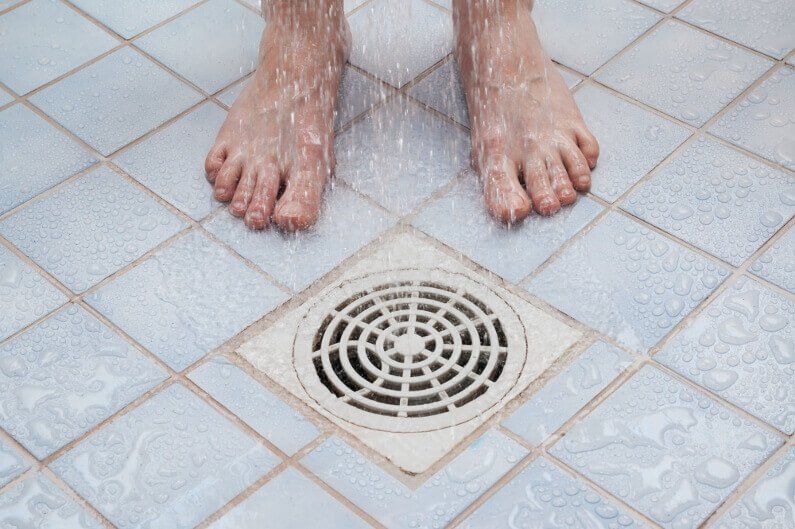
Shower Floor Drain
If you shower in a Denver area home, chances are you come across shower floor drains. These shower floor drains serve an important role - keeping your shower area free of flooding. From diverting away excess shower-water to giving maintenance teams easier access to shower components, shower floor drains offer homeowners and designers peace of mind and a safe place to clean up.
Homeowners in Denver should make sure their shower floor drains comply with the city plumbing codes and regulations - because a simple clog can cause flooding and other more serious damage. Keep your shower functioning smoothly by regularly checking the condition of your shower floor drain while making necessary repairs or replacements as needed.
Floor Drain Trap
Floor drain traps are an essential plumbing feature in any home or business, especially in Denver where the snow and rain can create a need to manage excess water. Having a functioning floor drain trap helps keep the building or house dry when it's most needed, and keeps away dirt, insects, pests, and microorganisms that could be hazardous to health.
Installing a new or replacing an old floor drain trap must be done expertly for it to work properly, as it will prevent backflow of wastewater and foul smells from entering through the drain. Therefore, it is important to hire only an experienced professional plumber when dealing with floor drain traps in Denver in order to ensure that the job is done according to best practices.
Step-by-Step: How to Clear a Clogged Floor Drain
- Remove the drain cover/strainer.
- Flush with hot water to loosen minor build-ups.
- Use a plunger — push and pull vigorously to dislodge blockages.
- Insert a drain snake/auger if plunging doesn’t work.
• Rotate slowly and pull debris out. - Final flush with hot water to rinse remaining residue.
Safety Note: Avoid harsh chemical drain cleaners — they can damage pipes and are risky in confined spaces.
Signs You Need Professional Help
Even when DIY tips work for minor blockages, call a licensed plumber if:
- Multiple drains are backing up.
- You notice foul sewer odors or gurgling sounds.
- Water backs up in unexpected places (sinks, toilets).
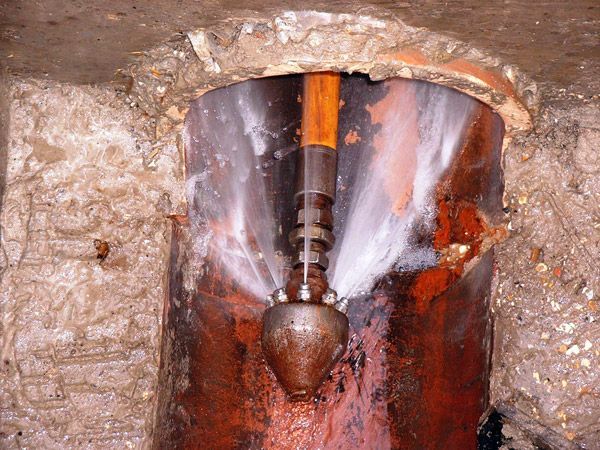
Professionals have specialized tools like camera inspection, hydro-jetting, and augers for deeper clogs.
How often should i clean out my basemnt drain's trap?
How Often Should You Clean Your Basement Drain Trap?
Keeping your basement drain trap clear and free of debris is key to avoiding messy backups and unpleasant odors. For most Denver homeowners, it’s a good idea to inspect and clean out the trap at least twice a year—typically once before spring thaw and again before winter sets in.
If you notice slow drainage, hear gurgling sounds, or detect musty smells coming from the drain, don’t wait—these are signs that immediate cleaning is needed.
Regular maintenance helps prevent stubborn blockages and keeps everything running smoothly, saving you costly repairs down the road. If your basement is prone to excessive dust, pet hair, or minor flooding, you may want to check and clean the trap even more frequently according to your household’s needs.
How do screens or strainers help prevent basement floor drain clogs?
Floor Drain Screens and Strainers
For added protection against clogs, consider installing floor drain screens or strainers in your Denver home or business.
These simple devices are designed to catch larger debris, such as hair, lint, dirt, and small objects, before they can slip down the drain and accumulate in the pipes. By blocking these common culprits at the entry point, screens and strainers make it much harder for buildups to form and much easier to keep your floor drain flowing freely.
The best part? Screens and strainers are widely available in a range of sizes to fit most floor drains, whether you need them for a busy commercial kitchen or a residential laundry room.
Regularly removing and cleaning them takes just a moment, saving you the hassle of dealing with tough clogs down the road. With this simple preventive measure, you can add one more layer of defense against unexpected plumbing headaches.
Why should I avoid pouring grease, oil, or non-degradble substances dron the drain?
Why You Should Keep Grease, Oil, and Non-Degradables Out of Your Drain
It’s tempting to wash everything down the drain, but putting grease, oil, or non-degradable materials into your pipes is an open invitation for trouble.
Fats and oils solidify as they cool, sticking to the walls of your plumbing like glue and forming stubborn clogs over time. Even if they make it past your basement floor drain, they only add to larger blockages—sometimes called “fatbergs”—further down the line, especially if your home connects to Denver’s municipal sewer system. Non-degradable substances, such as wipes, cotton swabs, and dental floss, don’t break down and can easily tangle with existing buildup, making matters even worse.
For a smoother-running plumbing system, always dispose of these substances in the trash instead. Your pipes—and your future self—will thank you.
What is a floor drain?
A floor drain is typically located in basements, laundry rooms, garages, or commercial spaces.
It helps carry away excess water and prevent flooding. Unlike sinks, floor drains often go unused for long
periods, making them prone to debris buildup.
Why do floor drains get clogged in Denver?
Common causes include dirt and debris, hair and lint, grease, hard water mineral buildup, tree root intrusion in older pipes, and freeze–thaw ground shifts. In Denver’s climate, mineral scale and root
damage are especially common
What are the warning signs of a clog?
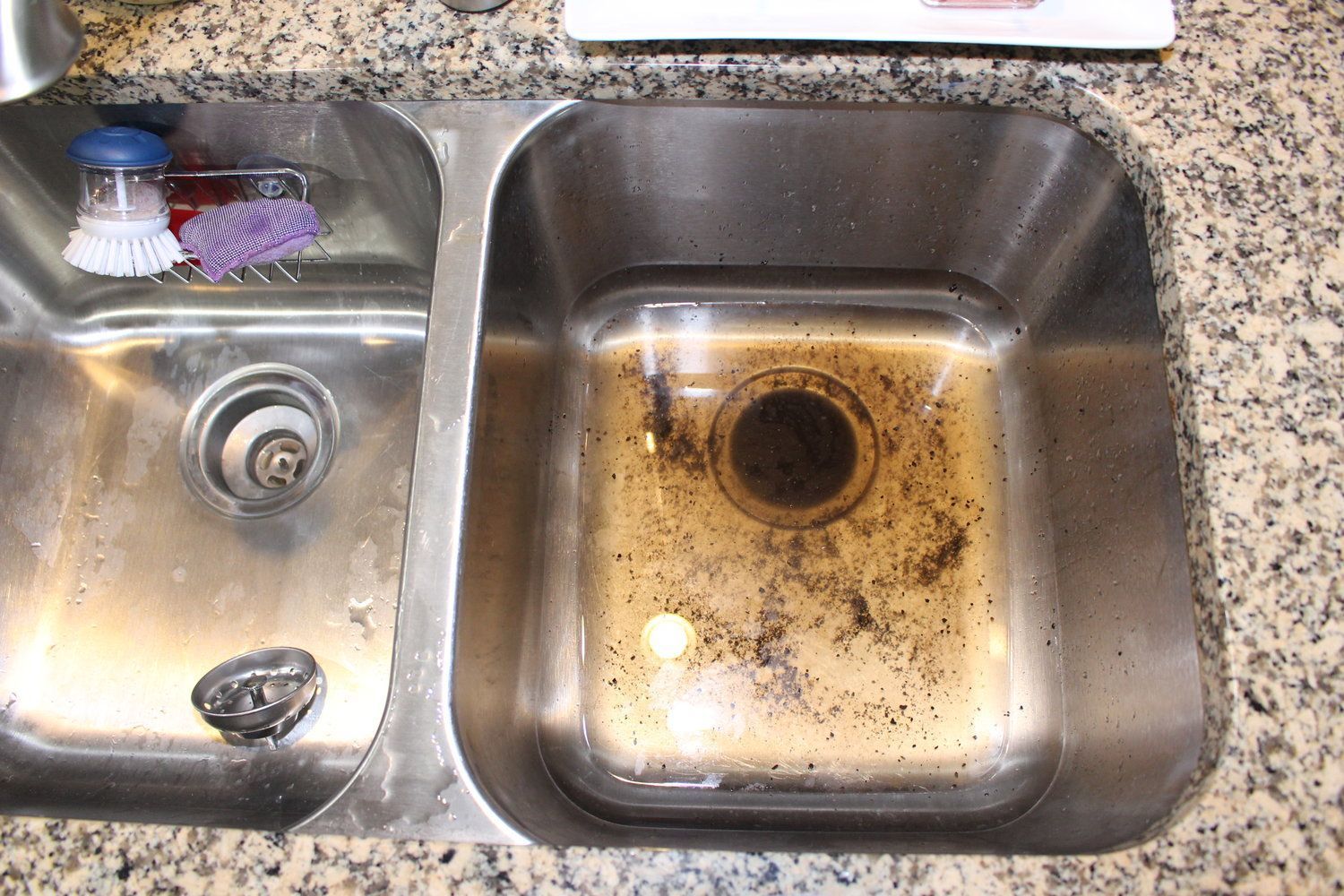
Slow drainage, standing water around the drain, foul sewer odors, gurgling noises, or backflow when other fixtures are used are all signs of a problem.
Can I fix a clogged floor drain myself?
Yes—start by removing the drain cover, flushing with hot water, and using a plunger. If that fails, try a manual snake or auger. Avoid harsh chemical cleaners, as they may damage pipes
When should I call a professional?
If multiple drains are affected, if you smell sewer gases, if DIY efforts fail, or if backflow occurs,
it’s time to call a professional. Drain Brain LLC offers hydro‑jetting, video inspections, and 24/7
emergency service.
How can I prevent future clogs?
Pour hot water monthly to flush out buildup, use enzyme‑based cleaners, and keep traps filled with
water to block odors. Annual inspections are recommended for older properties.
Write the item or answer the question so that site visitors who are interested get more information.
You can emphasize this text with bullets, italics or bold, and add links.
Does Drain Brain LLC provide emergency service?
Yes. We are available 24/7 for emergency clogs, sewer backups, and drain issues across Denver and
surrounding areas.
Drain Brain LLC – Licensed & Insured | Serving Denver & Surrounding Areas
720-322-4845

Floor Drain P-trap
For any home or office in Denver, it is important to look into a properly functioning floor drain P-trap. A Floor Drain P trap helps keep the nasty smells and potential health risks associated with blocked pipes away. It not only has a standard design that effectively blocks foul odors and debris, but also various models that can be tailored to any need. Best of all, these traps are relatively easy to maintain, requiring only occasional cleaning and inspection. For anyone looking to keep their home or office smelling fresh, a Floor Drain P-trap in Denver is essential.
Floor Drain Cleanout Plug
Floor drains are an important part of any Denver home’s plumbing system, but without the right maintenance they can cause a host of problems. In Denver and around the country, homeowners can use floor drain cleanout plugs to help manage their home’s drainage and protect against future blockages or overflows. Not only do these devices allow for easy removal and replacement of drain covers, they also provide peace of mind when it comes to keeping drains free of debris and clogs.
Floor drain cleanout plugs in Denver make it easy to keep rooms, bathrooms and other indoor spaces free from odors or drainage nuisance. Once installed, these versatile solutions can be easily checked to ensure all systems are always running smoothly – saving time, money and headaches that come with neglected drainage lines!
Floor Drain Maintenance & Prevention Tips
Keeping drains clear will save time and money:
- Run hot water through floor drains monthly to prevent buildup.
- Keep traps filled with water to block sewer gases.
- Install strainers to catch debris before it goes down the drain.
- Inspect and clean traps twice a year or before seasonal changes.
Regular maintenance helps avoid unpleasant odors and costly repairs.
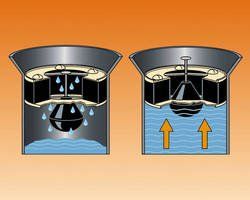
Floor Drain Check Valve
Floor drain check valves are an important feature for preventing water from flowing back through the pipes leading to your floor drains. Denver is one of many cities that require these devices to be present in new residential construction and commercial buildings, ensuring cleanouts are properly installed and maintained with cleaning plugs. In doing so, it helps ensure that contaminants don't flow back into the common sewer system thus protecting public health and safety.
The importance of these devices cannot be overstated; by having them installed properly every time a new floor drain is placed, we can create a safe and hygienic environment for everyone involved.
Drain Brain LLC is a family-owned drain & sewer inspection & repair company that has served the Denver CO and surrounding areas for over 10 years.
Drain Brain LLC specializes in cleaning & repairing floor drains & sewer line pipes our drain experts and have the skills and equipment to perform residential and commercial sewer video camera inspection so that problems are detected fast.
This will help solve issues like clogged drains, leaking pipes, broken pipes, and other sewer dilemmas. Locating the exact causes of problems early saves clients numerous headaches.
For superior drain cleaning service, home and business owners can schedule an appointment by calling
Drain Brain LLC today at 720-322-4845.