How to Get Rid of Drain Flies in Denver
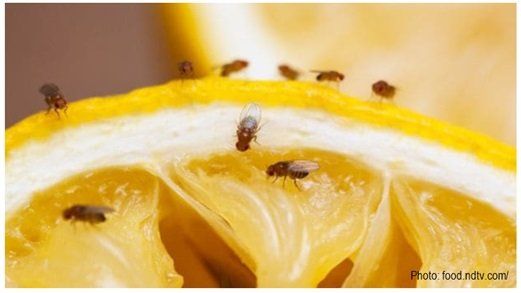
How to Get Rid of Drain Flies in Denver
Drain flies are small, winged insects that are often found near Denver drains or other moist areas. The larvae of these insects feed on the organic matter that can build up in Denver drains, and they can quickly become a nuisance if they are not removed. There are a number of ways to get rid of drain flies, and the most effective method will depend on the severity of the infestation. For minor infestations, simply cleaning the affected area with a strong cleaner or insecticide can be enough to kill the larvae and discourage the adults from laying eggs. They multiply where there is standing water or decaying food especially meat which is not uncommon in Denver drains. For more severe infestations, it may be necessary to use a commercial insecticide or call a professional exterminator. In either case, it is important to remove any organic matter from you Denver drains and other wet areas to prevent future infestations.
How to Get Rid of Fruit Flies in Denver
If you've ever been plagued by fruit flies, you know how annoying they can be. These small, winged insects are attracted to sweet smells, which is why they're often found near drains. Fortunately, there are a few simple steps you can take to get rid of fruit flies in your drain. First, pour a cup of hot water down the drain and let it sit for a few minutes. This will kill any eggs or larvae that are present. Next, mix equal parts vinegar and water and pour it down the drain. The vinegar will act as a natural repellent and keep fruit flies away. Finally, be sure to keep your drain clean by scrubbing it with soap and water on a regular basis. By following these simple tips, you can say goodbye to fruit flies for good!
Do you have Drain Flies or Fruit Flies?
If you've been noticing small flies near your sink or garbage can, you may have a drain fly infestation. These pests are attracted to moisture and can lay their eggs in standing water or damp organic matter. As the larvae mature, they will emerge from the drain and begin to fly around in search of food. If you have fruit flies, on the other hand, you'll likely find them near any ripe fruit or vegetables that are left out on countertops. Fruit flies are attracted to the sweet smell of overripe fruit, and they can lay their eggs inside the fruit itself. While both types of flies can be annoying, drain flies are more likely to cause health problems since they breed in unsanitary conditions. If you think you have either type of fly infestation, it's important to take steps to get rid of them before they multiply.
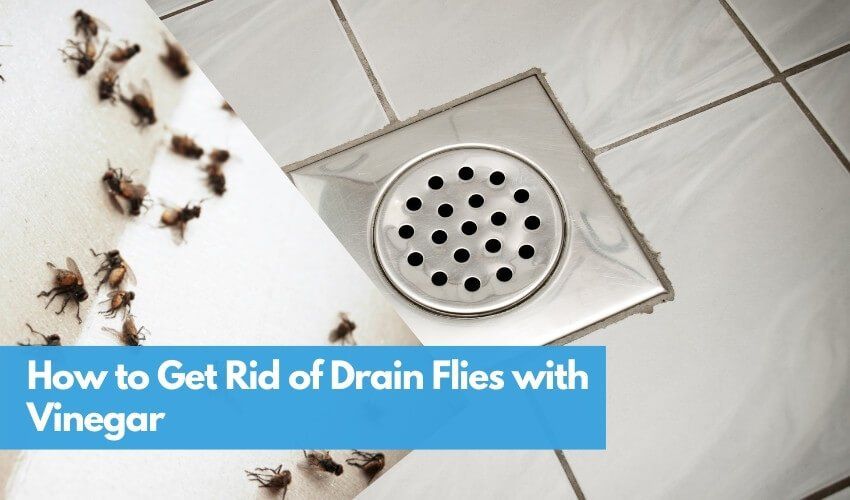
Vinegar & Water Works to Kill Drain Flies
Drain flies are a common nuisance in many Denver homes. These tiny pests can quickly multiply, and their waste can contaminate food and surfaces. Fortunately, there is a simple way to get rid of drain flies for good. The water and vinegar method is a natural and effective way to kill drain flies and their larvae. To use this method, simply mix equal parts water and vinegar in a spray bottle and spritz the solution onto any drain flies that you see. The acid in the vinegar will kill the insects on contact. You can also pour the solution into your drains to kill drain fly larvae before they hatch. With regular treatment, the water and vinegar method will soon rid your Denver home of these pesky pests.
Drain Brain LLC are drain flies & fruit flies’ experts that can help you get rid of the drain & fruit flies for good! We are trenchless sewer line experts and have the skills and equipment to perform residential and commercial sewer video camera inspection so that problems are detected fast.
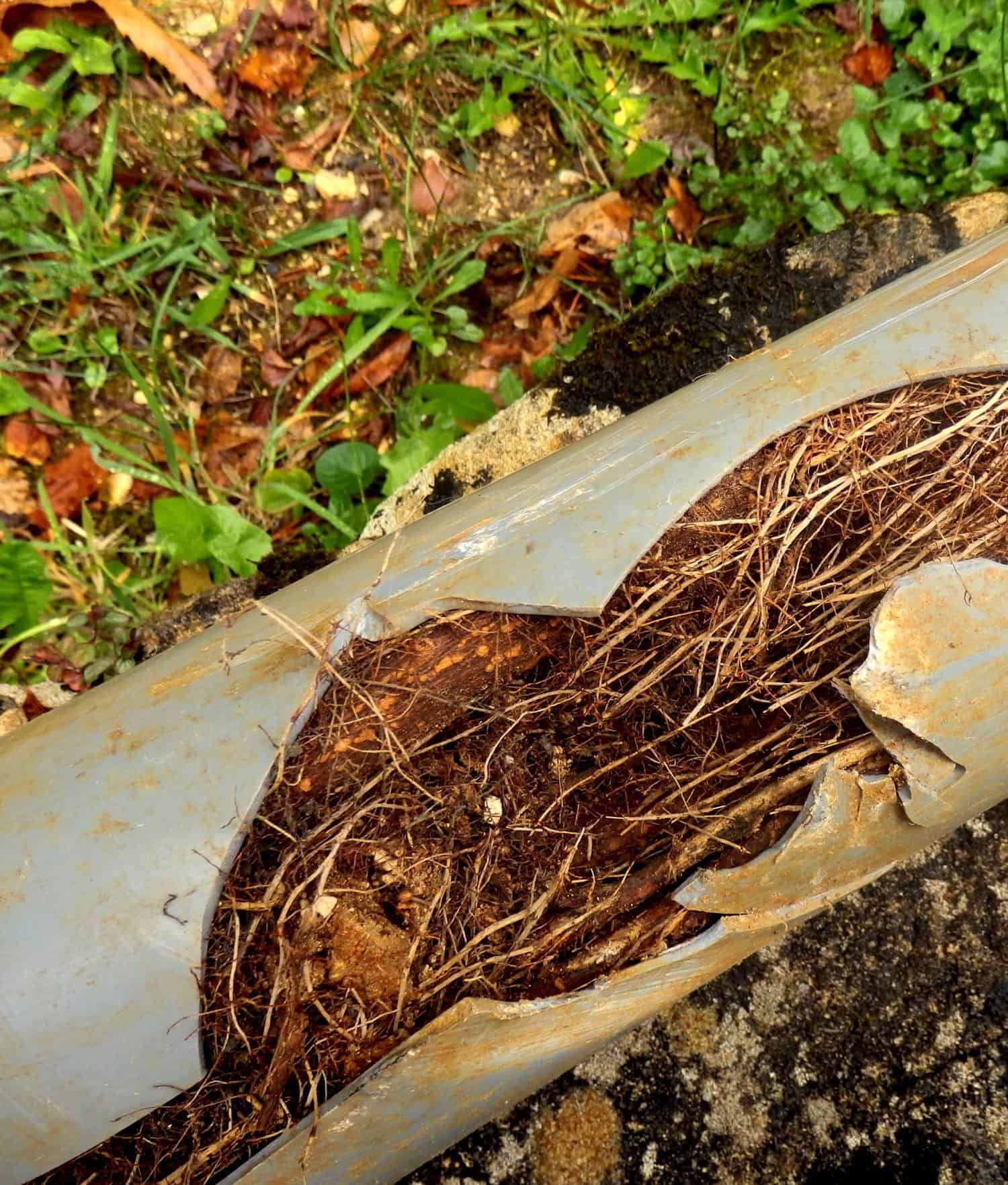
This will help solve issues like leaking sewer pipes, broken sewer pipes, and other sewer & water line dilemmas. Locating the exact causes of problems early saves clients numerous headaches.
For fast drain & sewer cleaning service, home and business owners can schedule an appointment by calling Drain Brain LLC today @ 720-322-4845.
What Causes Drain Flies in Denver Homes
Drain flies — also called sink, moth, or sewer flies — thrive in moist environments where organic matter builds up, such as bathroom, kitchen, or basement drains. These pests lay eggs in slime and debris inside pipes, where larvae feed and develop before emerging as adults. Addressing the organic buildup and moisture is essential for eliminating drain flies for good.
How to Get Rid of Drain Flies (Step-by-Step):
- Inspect and Identify Source – Cover drains with clear tape overnight; flies on the tape indicate breeding drains.
- Clean and Scrub Drains – Use a pipe brush and enzyme cleaner to remove organic buildup.
- Boiling Water Flush – Carefully pour hot (not always boiling) water down the drain to break down slime and larvae.
- DIY Traps – Apple cider vinegar traps, sticky tape, and monitoring can help reduce adults while you clear the source.
- Repeat and Monitor – Persistent infestations may require multiple cycles of cleaning and monitoring.
Preventing Drain Flies in Denver
Rinse drains weekly with hot water to dissolve organic buildup.
• Use enzyme-based cleaners monthly to keep drains clean.
• Check for leaks and repair them to reduce hidden moisture.
• Inspect unused drains regularly to prevent stagnation.
Professional Help/When to Call the Pros
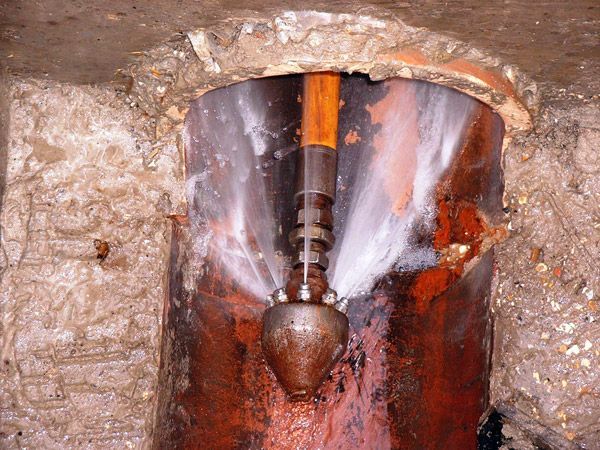
If drain fly infestations persist after thorough cleaning, or if you suspect underlying drain or sewer issues, consider professional drain cleaning or sewer inspection services with advanced tools and expertise. Pros can reach deep blockages and diagnose hidden buildup that DIY methods can’t address.
Drain Flies, FAQ's
What are drain flies?
Drain flies are small, fuzzy insects (about 1/8 inch long) with gray or brown wings that resemble tiny moths. They breed in the organic buildup inside drains, sewer lines, floor drains, and sump pits. Seeing them usually means there is standing water and decaying material somewhere in your plumbing system.
Why do I have drain flies in my house?
Drain flies appear when moisture and organic sludge collect inside pipes or drains. In Denver homes, this often happens due to rarely used floor drains, slow drains, sump pits, or sewer line issues. Even clean homes can get drain flies if there is buildup hidden inside the plumbing.
Are drain flies harmful to humans?
Drain flies do not bite and are not considered dangerous, but they can spread bacteria from drains onto nearby surfaces. More importantly, they are a warning sign of plumbing or drainage problems that should be addressed to prevent larger issues.
Will drain flies go away on their own?
In most cases, no. Drain flies will continue to reproduce as long as the organic buildup inside the drain remains. You may see fewer flies temporarily, but they usually return unless the source inside the plumbing is properly cleaned or repaired.
Does pouring bleach down the drain kill drain flies?
Bleach may kill some adult flies, but it usually does not remove the thick organic sludge where drain flies lay eggs. Without removing that buildup, the infestation often comes back within days. Mechanical cleaning or professional drain treatment is typically more effective.
ls.
How long does it take to get rid of drain flies?
If the source is properly cleaned, most drain fly problems can be resolved within 7 to 14 days. Severe infestations or issues involving sewer lines, sump pits, or broken pipes may take longer and often require professional drain or plumbing service.
Can drain flies come from the sewer line?
Yes. Drain flies can come from damaged sewer lines, dry or broken drain traps, or floor drains connected to the main sewer. This is common in older Denver homes and commercial buildings, especially basements and utility rooms.
How do I prevent drain flies from coming back?
o prevent drain flies:
Regularly clean and flush rarely used drains
Keep P-traps filled with water
Address slow drains quickly
Schedule professional drain cleaning if buildup returns
Preventive maintenance is the best way to stop repeat infestations.
When should I call a professional for drain flies?
You should call a professional if drain flies persist after basic cleaning, appear in multiple areas, or keep coming back. This often indicates a deeper plumbing issue such as sewer buildup, broken pipes, or hidden standing water.
Sources & Credits:
Information on this page is informed by best practices from This Old House, Terminix, Bug Man, and Better Homes & Gardens home guides on drain fly identification, removal, and prevention.