Cost of Sewer Pipe Relining
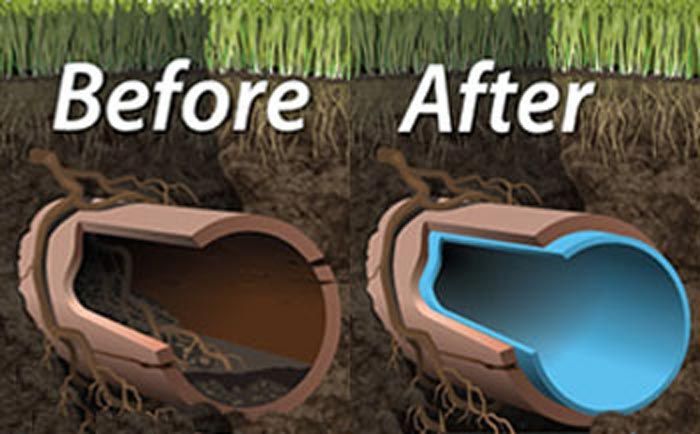
Maintaining a functional sewage system in a building is essential for a healthy living environment. A damaged or clogged sewer pipe can pose serious health hazards and compromise the building's structural integrity. In such cases, sewer pipe relining can be a cost-effective solution for repairing or replacing damaged sewer pipes.
The cost of sewer pipe relining may vary depending on the extent and location of damage, the type of pipe material, and the complexity of the job. However, prioritizing sewer pipe relining can yield substantial long-term savings by avoiding costly repairs and replacements. It is essential to seek professional assistance to determine the most suitable sewer pipe relining service for your building and to ensure a safe, efficient sewage system.
Expanded Cost Overview
Sewer pipe relining — especially trenchless sewer pipe relining — is a cost-efficient solution to fix damaged sewer lines without disruptive excavation. Rather than digging up your yard, a new structural liner is installed inside the old pipe, restoring strength and function.
Typical Cost Ranges (2026):
- $80–$250 per linear foot for cured-in-place pipe (CIPP) relining on residential sewer mains and laterals.
- Total project prices usually range from $3,500 to $14,000+, depending on pipe diameter, length, accessibility, local labor rates, and preparatory work required.
Relining pricing varies by region — and in the Denver metro area, local labor and material costs will influence your final estimate.
Sewer Relining Cost per Foot
Sewer relining has become a popular and cost-effective alternative to traditional sewer repairs and replacements. It involves installing a new liner inside the existing sewer pipe, effectively sealing cracks or leaks and restoring the pipe's structural integrity. When considering sewer relining, one of the most important factors to consider is the cost per foot. The cost per foot can vary depending on factors such as the location of the sewer line, the pipe size and material, and the complexity of the job. By understanding these factors, property owners can make informed decisions about their sewer relining options and choose a provider that offers competitive pricing and quality service.
Detailed Cost Breakdown & What’s Included
What Drives Sewer Pipe Relining Cost?
•
Pipe Length & Diameter: Longer runs and larger pipe sizes increase material and labor cost.
•
Pipe Condition: More extensive prep (cleaning, clearing roots) can add to cost.
•
Accessibility: Tight spaces, deep burial, or multiple bends may require extra labor/time.
•
Inspection & Prep: Sewer camera inspection and hydro-jet cleaning are almost always needed before relining.
Included in Most Relining Projects:
✔ Sewer camera inspection
✔ Hydro-jet or mechanical cleaning
✔ Insertion of resin-saturated liner
✔ Curing and testing of the new sewer pipe lining
Not Always Included: Permits, landscaping restoration, or separate lateral reinstatements may incur additional costs.
Sewer Pipe Relining
Sewer pipe relining is a process that repairs sewer pipes without excavating them. It is a cost-effective, time-efficient solution for repairing sewer pipes, including cracks, leaks, and blockages. During the process, a flexible liner is inserted into the damaged pipe and inflated to fit its shape. The liner is then cured in place with heat or UV light to create a new, seamless pipe within the existing one.
Sewer pipe relining offers numerous advantages, such as minimal disruption to the surrounding area, longer lifespan of the repaired pipes, and reduced environmental impact compared to traditional digging and replacement methods. It is highly recommended for Denver homeowners and business owners alike experiencing sewer pipe issues.
Sewer Pipe Relining Vs Replacement
When dealing with damaged or deteriorating sewer pipes, homeowners and property managers must weigh the options of relining or replacing the pipes. While both methods can effectively resolve sewer pipe issues, each approach has its unique advantages and disadvantages that must be considered. Sewer pipe relining, for instance, involves inserting a flexible lining material into the existing pipe, which is then inflated to create a new, seamless pipe inside the damaged one.
This approach can be less invasive and cost-effective than sewer pipe replacement, especially for pipes located deep underground or in difficult-to-access areas. In contrast, sewer pipe replacement is often necessary for severely damaged or collapsed pipes that must be completely removed and replaced.
While this approach may be more expensive and disruptive, it can provide a more long-term solution to sewer pipe problems. Ultimately, the decision between sewer pipe relining and replacement will depend on factors such as the extent of damage, the pipes' location, and the budget. It's best to consult with a professional plumber to assess the situation and determine the best course of action.
Relining vs Full Replacement:
•
Less disruptive: Relining avoids trenching and massive excavation, preserving driveways, lawns, and landscaping.
•
Faster turnaround: Most trenchless relining jobs finish in a day or two — traditional replacement can take up to several days.
•
Cost difference: Traditional replacement can cost
$7,000–$30,000+ due to excavation and restoration — relining often remains the more affordable option for moderate damage.
•
When Replacement Is Better: Totally collapsed pipes, severe offset joints, or extremely poor pipe conditions may still require full excavation and replacement.
Does Sewer Pipe Relining Work?
One of the most frequent questions homeowners ask is, "Does sewer pipe relining work?" This is a reasonable inquiry because people want to know whether spending money on relining is worthwhile. The short answer is yes, it does work. Relining is a widely accepted and proven solution to repairing deteriorating or damaged pipes.
The process involves applying a new layer of specialized material within the existing pipe system, thereby protecting it from harsh environmental factors such as chemical infiltration or weather damage. Relining is an efficient and cost-effective alternative to traditional pipe replacement and can extend the life of your pipes for up to 50 years. However, it is always recommended to consult an experienced professional to evaluate your unique situation and determine the best solution for your needs.
How Sewer Pipe Relining Works
How Sewer Pipe Relining Works (Trenchless CIPP Method)
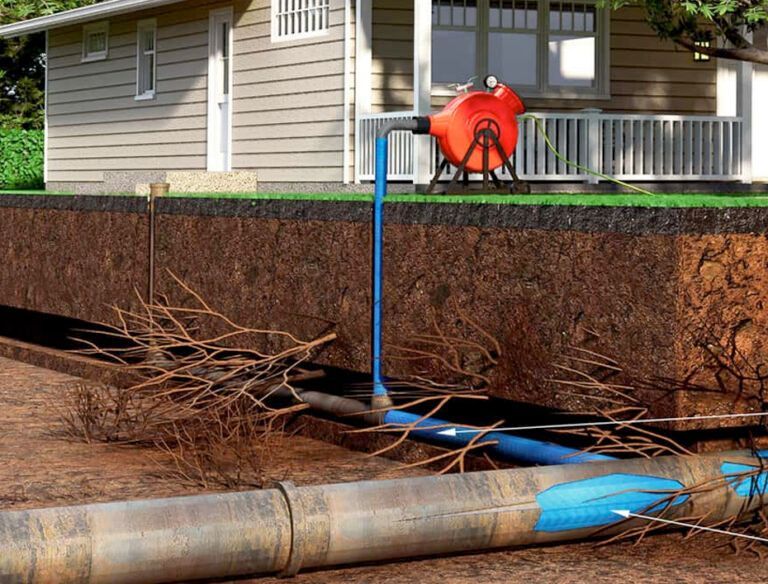
Sewer relining uses a cured-in-place pipe (CIPP) process — a resin-coated liner installed through access points and inflated to conform to the existing pipe. Once cured, it creates a brand-new seamless interior pipe within the damaged one.
The steps typically include:
- Inspection: A high-resolution sewer camera scans the line to locate damage.
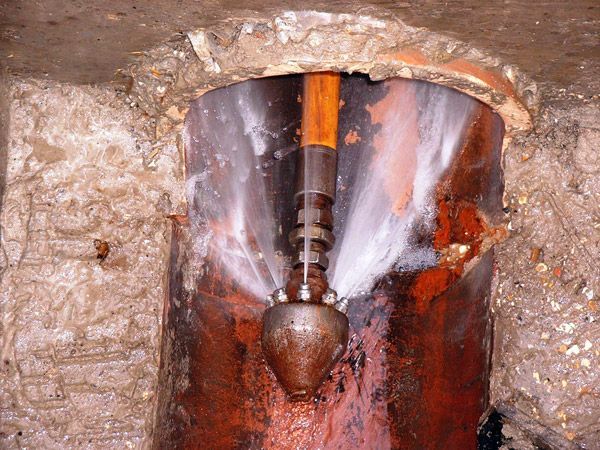
- Cleaning: Debris and roots are removed using hydro-jetting.
- Liner Installation: The resin-saturated liner is pulled into place.
- Curing: Heat, steam, or UV light cures the resin, hardening the new pipe in place.
This trenchless method allows most jobs to be completed in
1–3 days with minimal surface disruption.
Trenchless Sewer Pipe Relining
Trenchless sewer pipe relining is a revolutionary technology that has helped property owners avoid the mess and inconvenience of traditional sewer repairs. Using advanced materials and methods, trenchless relining enables the repair of damaged pipes without excavation. This approach significantly reduces repair time and cost, as well as environmental impact.
By avoiding excavation, trenchless relining also helps preserve landscaping and avoids disrupting transportation or other infrastructure. Overall, trenchless sewer pipe relining offers a cutting-edge solution for sewer repair and maintenance that is both efficient and eco-friendly.
Reline Sewer Pipe
As a Denver homeowner, it's important to maintain your property's infrastructure to avoid potential catastrophes that can result from neglect. This includes the sewer pipe, which can develop cracks and leaks over time. When facing such issues, relining your sewer pipe may be the solution.
Reline Sewer Pipe is a cost-effective and efficient method that involves installing a new lining inside the existing pipe, blocking any leaks or cracks that may cause costly damage to your property. It's a simple process that can save you the headache of digging and replacing the entire pipe. If you're experiencing issues with your sewer pipe, consider the benefits of relining it.
Relining Sewer Pipes
If you're experiencing sewer line problems, you may be wondering what your options are. Relining sewer pipes could be the solution you need. This process involves inserting a flexible lining material into the existing pipe and curing it in place. This creates a new pipe without the need for costly, disruptive excavation. With relining, cracks, leaks, and blockages can be repaired without tearing up your property. It's a cost-effective and efficient solution for many sewer line issues. If you think relining could be right for your home or business, contact a professional plumber to discuss your options.
Sewer Pipe Relining Near Me
Solving sewer-related problems can be urgent and costly. Finding the right company to assist with your sewer pipe relining needs can be a challenge, especially if you're unfamiliar with the process. Fortunately, you can now easily find expert sewer pipe relining services by searching for "Sewer Pipe Relining Near Me".
This will show you a list of experienced professionals near your location who can diagnose and repair sewer damage, restoring your plumbing system to optimal condition. With modern technology and techniques, sewer pipe relining has become a more efficient and effective solution than traditional excavation methods. Professional sewer pipe relining experts can help you save time, effort, and money in fixing any sewer-related issues. Contact Drain Brain LLC near you for high-quality, reliable sewer pipe relining services.
Cast Iron Sewer Pipe Relining
Cast Iron Sewer Pipe Relining is an innovative solution for repairing damaged cast-iron sewer pipes. This advanced technology involves installing a new lining inside the existing pipe, strengthening and durabilizing the old one. This method is cost-effective and minimizes the lengthy and disruptive process of digging up and replacing the pipe.
Cast Iron Sewer Pipe Relining has restored countless pipelines, providing a long-lasting solution that eliminates the need for ongoing maintenance. This advanced solution is gaining popularity in the industry because it is an environmentally friendly method that reduces waste and conserves valuable resources.
Trusting the experts in Cast Iron Sewer Pipe Relining will save you time, money, and headaches in the long run.
Denver’s Best Pipe Relining & Repipe Specialists
Drain Brain LLC is a sewer line replacement & trenchless sewer line repair expert with the skills and equipment to perform residential and commercial sewer video camera inspections so problems are detected quickly.
This will help solve issues such as leaking or broken sewer pipes and other sewer-related problems. Locating the exact causes of problems early saves clients numerous headaches.
For fast sewer cleaning service, home and business owners can schedule an appointment by calling Drain Brain LLC today @ 720-322-4845.
Sewer Pipe Relining Cost-FAQs
What is the average cost to reline a sewer pipe?
Most homeowners pay between $80 and $250 per linear foot for trenchless sewer pipe relining, with total costs ranging $3,500–$14,000 or more based on job specifics.
How long does a relined sewer pipe last?
Properly installed CIPP relining can extend a sewer line’s life up to 50+ years, making it a durable solution.
Is sewer inspection included in relining cost?
A thorough sewer camera inspection is recommended and often included as part of the relining quote to assess damage and plan the repair.
Does insurance cover sewer pipe relining?
Standard home insurance typically does not cover sewer relining unless there’s a covered cause like sudden water damage. Always review your specific policy.
How is trenchless relining different from pipe bursting?
Trenchless relining installs a new inner liner, while pipe bursting breaks the old pipe outward and pulls in a new one — both avoid full excavation but serve different damage scenarios.