How Much Does Hydro Jetting Cost in Denver? [2026 Homeowner Guide]
Dealing with a stubborn sewer backup in the Mile High City? You’re likely weighing the pros and cons of a standard snake versus high-pressure cleaning. In 2026, the average cost for hydro jetting in Denver ranges from $300 to $650, with most standard residential main lines averaging $503.
However, "Denver pricing" is unique. Our 60-inch frost line, expansive bentonite clay soil, and century-old tree canopy in neighborhoods like Wash Park and Highlands mean that a simple unclogging job often requires specialized equipment and expertise.
2026 Denver Hydro Jetting Price Index
2026 Denver Hydro Jetting Price Index (Pricing can change)
- Standard Hydro Jetting: $300 – $650
Best for clearing kitchen grease buildup and soft sediment in residential main lines. - Heavy-Duty Jetting (4000 PSI): $950 – $1,800
Engineered for invasive tree root removal in historic Denver neighborhoods like Park Hill & Highlands. - Hydro Jetting + Video Camera Scope: $1,100 – $2,200
A full diagnostic service required for verifying the structural integrity of older clay tile pipes. - Cast Iron Pipe Descaling: $1,500 – $3,500
A specialized high-pressure process to remove heavy "scale" and corrosion in 50+ year old Denver homes. - Emergency After-Hours Service: Add $250 – $600
Premium pricing applied for immediate response to weekend, holiday, or late-night sewer backups.
The Denver Difference: Why Local Factors Drive Hydro Jetting Costs
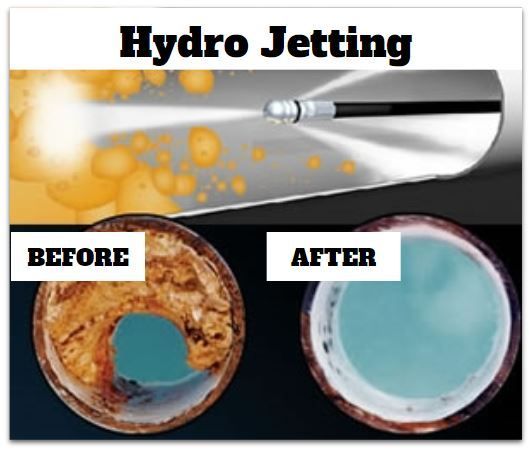
Before we dive into the 2026 pricing, it’s important to understand the process. We’ve previously covered, What is Hydro & Sewer Line Jetting to clear stubborn blockages, but Denver’s unique bentonite clay soil and deep 60-inch frost line create specific pricing challenges you won't find in other cities.
If you’re searching for "hydro jetting near me" in Denver, you’ll notice prices vary wildly. This isn't just about labor; it's about the unique geological and infrastructure challenges of the Front Range.
1. The Bentonite Clay & "Sewer Bellies"
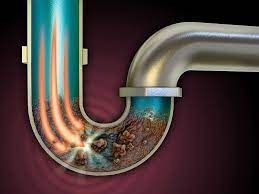
Denver sits on a massive bed of bentonite clay. This soil is "expansive," meaning it swells when wet and shrinks when dry. This constant movement causes sewer lines to "belly" or sag. Debris, grease, and wipes collect in these low spots, hardening into a solid mass. Hydro jetting is the only method with the volume and pressure to flush these heavy sediments out of a bellied line.
2. 100-Year-Old Tree Roots in Historic Neighborhoods
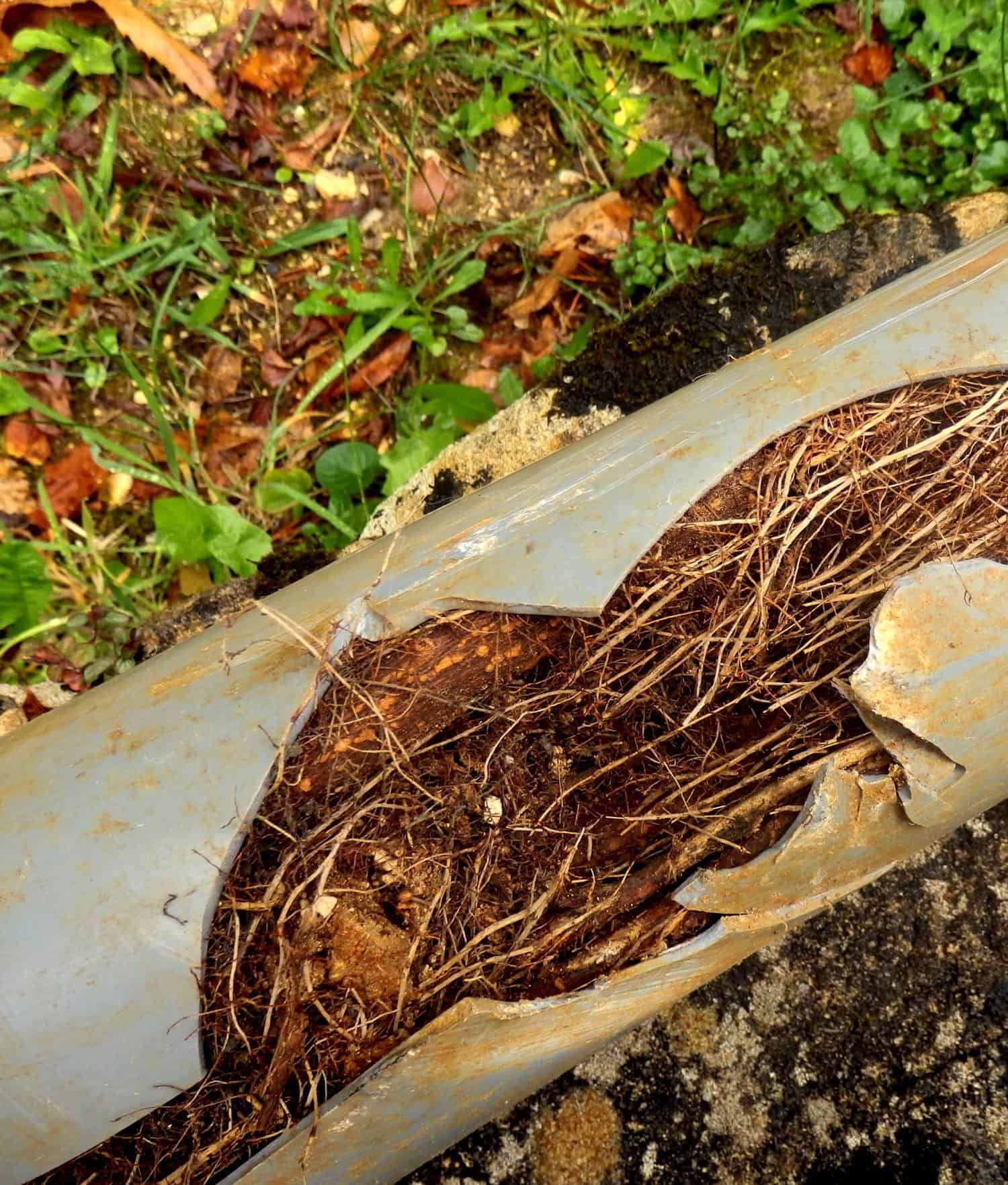
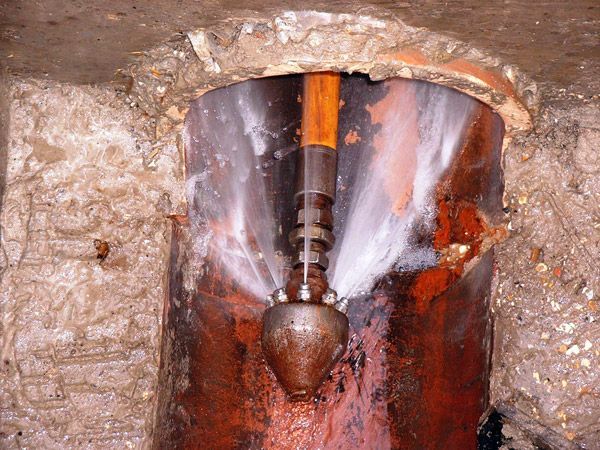
In Washington Park, Capitol Hill, and Congress Park, the silver maples and elms are iconic—but their roots are a nightmare for sewer lines. A standard drain snake ($125–$315) only punches a 2-inch hole through a 4-inch or 6-inch root mass. Hydro jetting uses a rotating "wararth" or "penetrator" nozzle to scour the pipe walls 360 degrees, delaying the need for a $15,000 sewer replacement.
3. The Deep Frost Line & Access Challenges
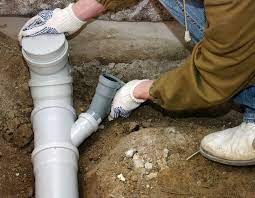
Denver’s 60-inch frost line requires pipes to be buried deep. If your older home doesn't have an exterior sewer cleanout, the technician must bring heavy jetting hoses through your house to a basement floor drain or pull a toilet. This "indoor access" often adds $150 to $350 in labor and cleanup costs.
Many homeowners ask if they can "just snake it." While snaking is cheaper, it is often a "band-aid" fix for Denver’s specific pipe issues.
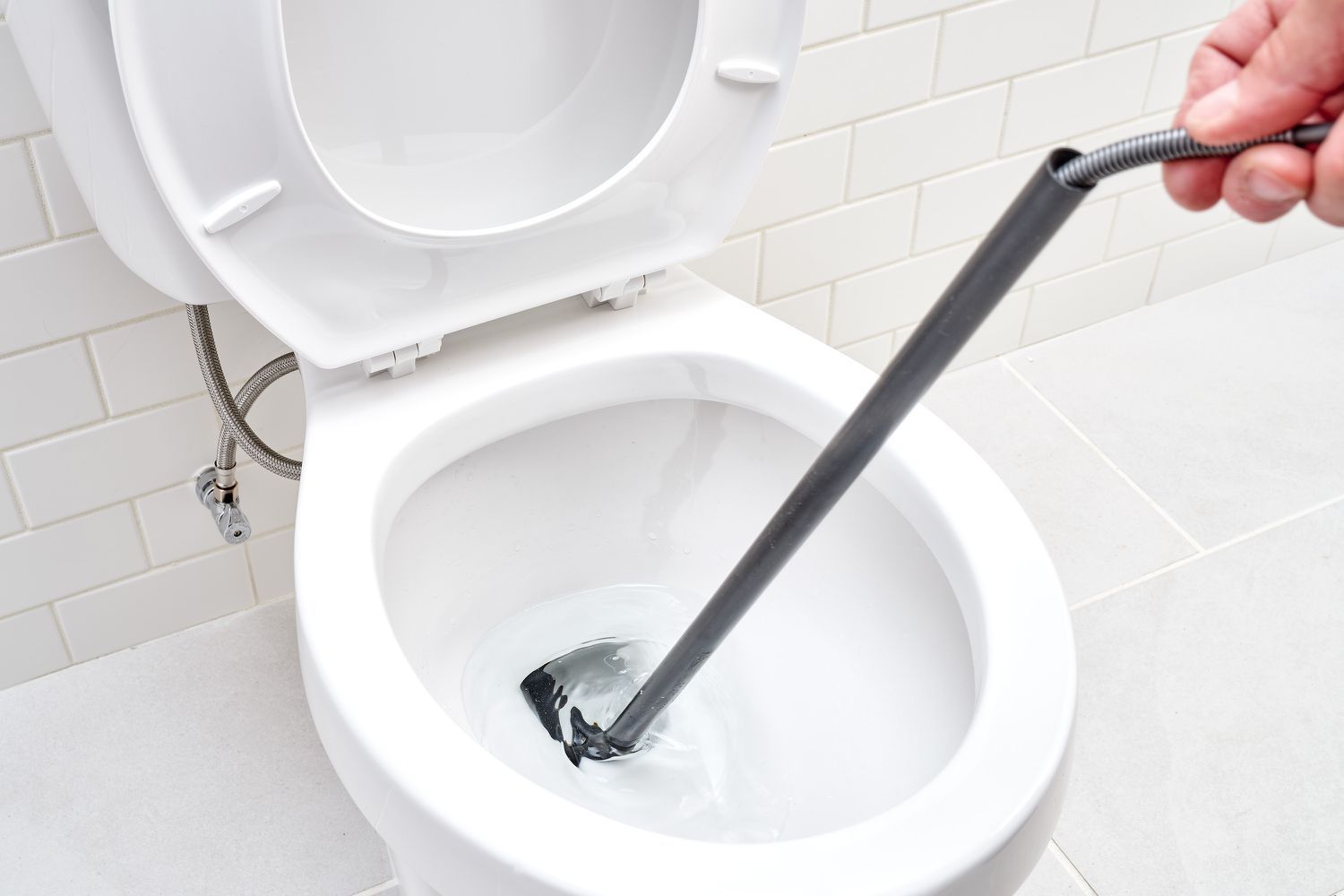
- Snaking ($125 – $315): Best for a hair clog in a shower or a toy stuck in a toilet. It provides immediate relief but does not clean the pipe walls.
- Hydro Jetting ($600 – $1,400): Best for recurring clogs, grease buildup from a kitchen line, or invasive roots. It restores the pipe to its original diameter.
Technical Deep Dive: How the Hydro Jetting Process Works
To ensure you aren't overcharged, it's important to understand the "scope of work" for a professional Denver jetting service:
- The Pre-Jet Video Scope: A technician should always perform a camera inspection first. In Denver’s shifting soils, a pipe might be collapsed. Jetting a collapsed pipe can cause a sinkhole in your yard.
- Pressure Regulation: Most residential jetters operate between 3,500 and 4,000 PSI. However, for older Orangeburg (tar paper) pipes common in the 1950s, a lower pressure is required to avoid shredding the pipe.
- The "Scour" Pass: The nozzle is pulled back slowly to ensure every inch of the pipe is cleaned.
- Post-Jetting Verification: The best local plumbers will show you a "before and after" video of your clean, root-free line.
Save on Your Main Line Hydro Jetting"
Mention the
Drain Brain LLC, 2026 Denver Hydro Jetting Cost Guide and receive a special $100 0n your first professional hydro jetting service. Includes a free post-service video camera inspection! We will give you a $25 off, mention this blog to us.
Call 720-322-4845
FAQs: Denver Hydro Jetting Costs
How much does a standard hydro jetting service cost in Denver?
In 2026, the average cost for professional hydro jetting in Denver is $850, with most residential services ranging between $600 and $1,400. Pricing depends on the length of the sewer line, the severity of the blockage (such as Park Hill tree roots), and whether a cleanout is accessible.
Is hydro jetting more expensive than traditional drain snaking in Colorado?
Yes. While a drain snake ($125–$315) is cheaper upfront, it only creates a temporary opening. Hydro jetting ($600–$1,400) is a premium service that uses high-pressure water to restore the pipe to its original diameter, often preventing the need for multiple $300 annual service calls.
What factors increase the price of hydro jetting in the Denver Metro?
Denver pricing is influenced by the 60-inch frost line, which places pipes deeper underground. If your home lacks an exterior cleanout, labor costs increase by $150 to $350 because a technician must pull a toilet or work through a basement floor drain to reach the main line.
How much does a required sewer camera inspection cost in Denver?
A professional video sewer scope typically costs between $250 and $500 in Denver. Most reputable local plumbers include or bundle this inspection with hydro jetting to ensure clay tile pipes aren't structurally compromised before applying 4,000 PSI of water pressure.
Can hydro jetting save Denver homeowners money on sewer replacement?
Yes. Regularly scheduled hydro jetting (every 18–24 months) can extend the life of older Orangeburg or clay pipes by removing corrosive grease and invasive roots. This proactive maintenance can delay or prevent a full sewer line replacement, which typically costs $5,000 to $15,000 in Denver