Sewer Replacement in Denver, CO
When a sewer line is severely damaged, repeatedly backing up, or nearing the end of its service life, repairs may no longer provide a dependable solution. Sewer replacement in Denver, CO can restore proper wastewater flow and address serious underground pipe problems before they cause more extensive property damage.
Drain Brain LLC provides sewer replacement services for homeowners dealing with damaged, collapsed, cracked, or severely deteriorated sewer lines. The right replacement approach depends on the condition and location of the existing pipe, access to the line, and the needs of the property.
When Does a Sewer Line Need to Be Replaced?
Not every sewer problem requires complete replacement. Some blockages, localized damage, or root intrusions can potentially be addressed with sewer repair. However, replacement may become necessary when the pipe has extensive or recurring damage.
Common warning signs include:
- Frequent sewer backups
- Multiple slow drains throughout the home
- Persistent sewer odors
- Gurgling sounds from drains or toilets
- Repeated sewer line blockages
- Tree-root intrusion
- Cracked or broken sewer pipes
- A collapsed or severely damaged sewer line
- Wet or unusually lush areas of landscaping near the sewer line
- Recurring problems after previous sewer repairs
If the same sewer problem keeps returning, identifying the underlying condition of the pipe is important before continuing with temporary fixes.
What Causes Sewer Lines to Fail?
Sewer lines can deteriorate for several reasons. Older underground pipes may eventually develop cracks, separated joints, corrosion, or structural deterioration. Tree roots can also enter small openings and grow inside the pipe, restricting wastewater flow.
Other causes of sewer damage include:
- Ground movement
- Shifting soil
- Pipe corrosion
- Improper installation
- Aging pipe materials
- Severe blockages
- Crushed or collapsed sections
- Damage caused by excavation or other construction
The cause of the failure can influence whether repair or replacement is the appropriate solution.
Sewer Camera Inspection Before Replacement
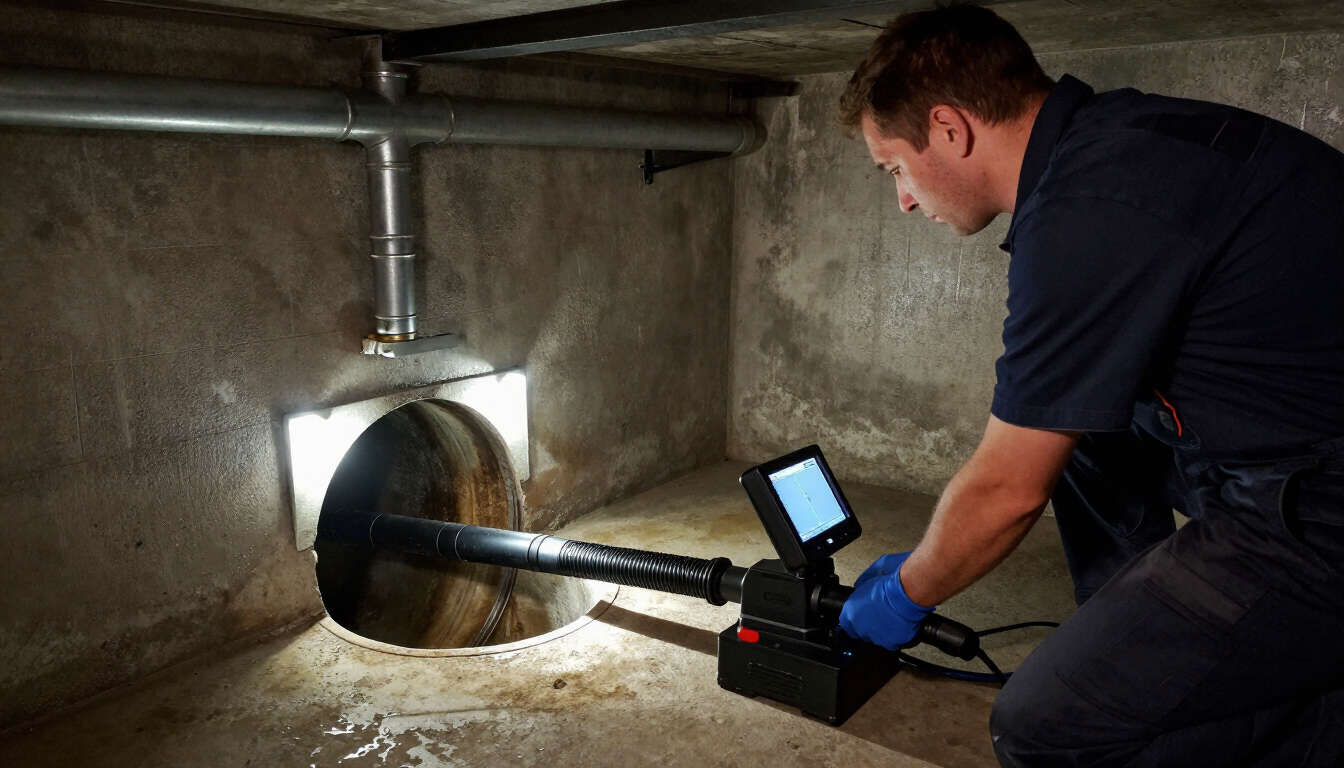
A sewer camera inspection can help determine what is actually happening inside an underground sewer line. Instead of assuming that a backup automatically means the entire line needs to be replaced, an inspection can help identify the location and nature of the problem.
A sewer camera may reveal:
- Cracks
- Breaks
- Root intrusion
- Blockages
- Pipe separation
- Corrosion
- Structural deterioration
- Collapsed sections
The inspection information can help determine whether a localized repair is possible or whether replacing the sewer line is the more appropriate long-term solution.
How Does Sewer Replacement Work?
The sewer replacement process varies from property to property, but a typical project begins with evaluating the existing sewer line and determining where the damage is located.
1. Evaluate the Sewer Line
The existing sewer system is assessed to identify symptoms, potential problem areas, and the condition of the underground pipe.
2. Locate the Damage
A sewer camera inspection can help identify the damaged section and provide information about the condition of the pipe.
3. Determine the Replacement Method
Depending on site conditions, replacement may involve traditional excavation or a trenchless approach. The appropriate method depends on factors such as pipe condition, accessibility, depth, and the surrounding property.
4. Replace the Damaged Sewer Line
The existing damaged pipe is replaced using the selected installation method and appropriate materials.
5. Test the New Sewer Line
After installation, the replacement line can be evaluated to confirm proper flow and operation.
6. Complete Necessary Restoration
If excavation was required, the affected portion of the property may need restoration after the sewer work is completed.
Trenchless vs. Traditional Sewer Replacement
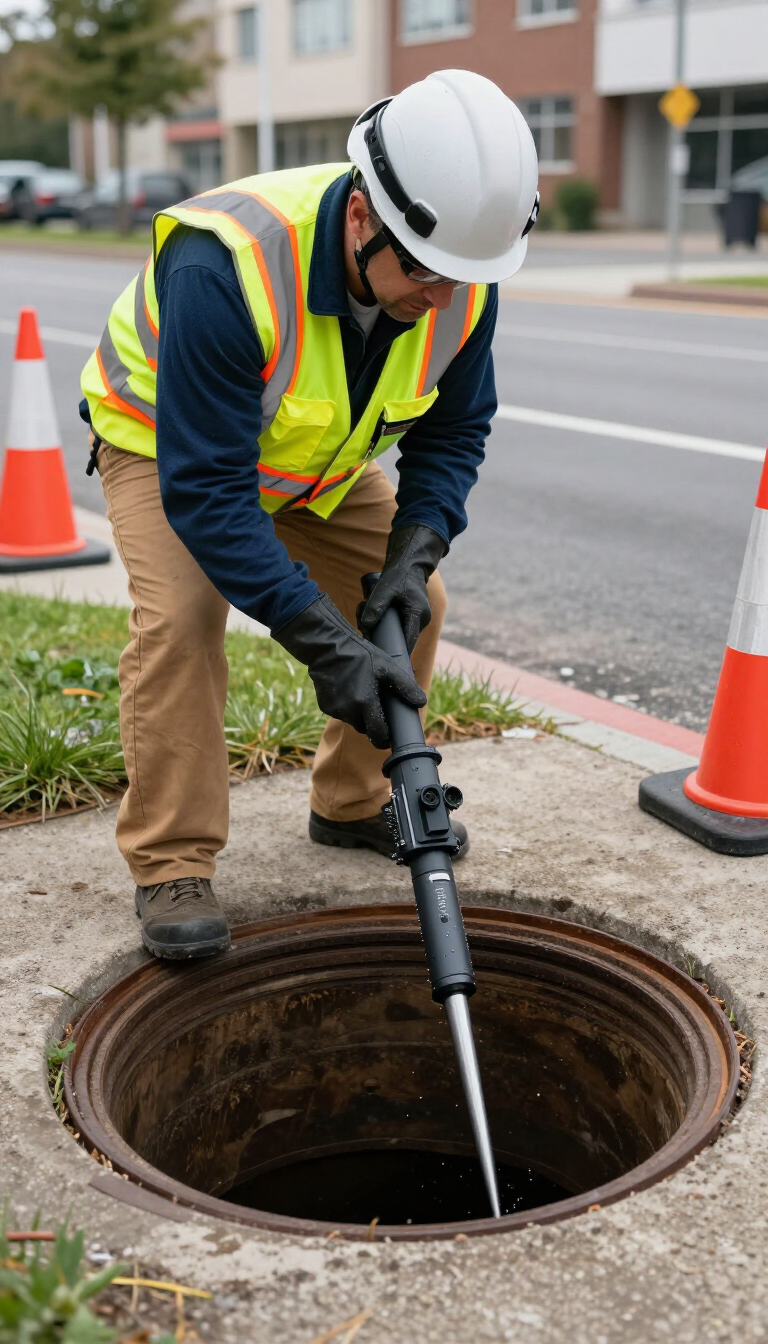
Two general approaches to sewer replacement are traditional excavation and trenchless replacement.
Traditional sewer replacement involves excavating the area necessary to access and remove the existing pipe. This approach may be appropriate when the sewer line is deeply buried, difficult to access, or affected by conditions that make trenchless methods unsuitable.
Trenchless sewer replacement can reduce the amount of excavation required in situations where the property and existing sewer line are suitable for the technique. It may reduce disruption to landscaping, driveways, or other surfaces, although it is not appropriate for every sewer replacement project.
A professional evaluation should determine which approach fits the property's specific conditions rather than selecting a method based solely on its name.
How Much Does Sewer Replacement Cost in Denver, CO?
The cost of sewer replacement can vary significantly between properties. There is no single price that applies to every Denver sewer replacement project.
Factors that can affect the total cost include:
- Length of the sewer line
- Depth of the existing pipe
- Pipe material
- Extent of damage
- Location of the damaged section
- Accessibility
- Excavation requirements
- Replacement method
- Permits and inspections
- Landscaping, concrete, or other surface restoration
A sewer inspection can provide useful information about the condition and location of the problem before major replacement work begins.
Why Address a Failing Sewer Line?
Ignoring a serious sewer problem can allow the underlying damage to become more extensive. A failing sewer line may continue to cause backups, drainage problems, unpleasant odors, and wastewater-related property concerns.
Replacing a severely damaged sewer line can address the underlying pipe problem rather than repeatedly treating the symptoms.
For homeowners, the goal is to understand the actual condition of the sewer line and select an appropriate solution based on the evidence from the inspection.
Schedule Sewer Replacement in Denver, CO
If your home's sewer line is repeatedly backing up, showing signs of structural damage, or experiencing recurring blockages, professional evaluation can help determine what needs to be done.
Drain Brain LLC can evaluate the sewer problem and help determine whether repair or sewer replacement in Denver, CO is appropriate for your property.
Contact Drain Brain LLC to schedule a sewer evaluation and discuss your sewer replacement needs.
Give Drain Brain LLC a call @ 720-322-4845 to schedule an inspection and get reliable sewer repair and replacement services.
Service Details
Let us know what problems you are experiencing with your sewer or water line so our specialists can determine how to fix it.
You can also be assured that when we work on your yard, our specialists will leave it clean, the way they found it.