How to Use a Toilet Snake in Denver, CO: A Step-by-Step Guide to Clearing Toilet Clogs Safely
A toilet snake, also called a toilet auger, is used to remove stubborn toilet clogs by feeding a flexible cable through the toilet trap to break up or retrieve the blockage. If the clog keeps returning or multiple drains are backing up, the problem may be in your sewer line and require professional sewer repair from Drain Brain LLC in Denver, CO.
What Is a Toilet Snake and When Should You Use One?
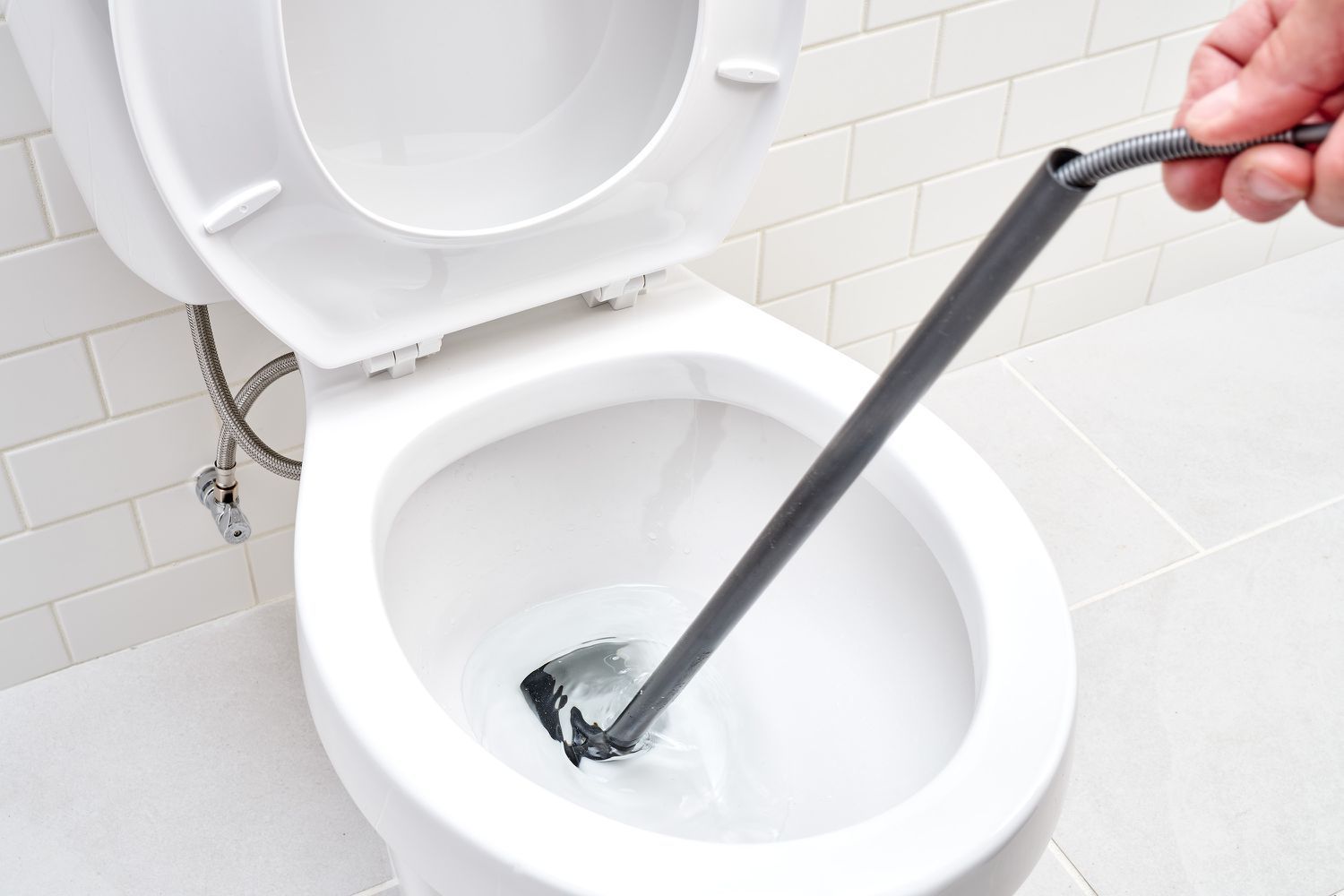
A toilet snake is a specialized plumbing tool designed to clear clogs inside the toilet trap without damaging the porcelain. Unlike a standard drain snake, a toilet auger has a protective sleeve that helps prevent scratches while allowing the flexible cable to navigate the curves inside the toilet.
A toilet snake is typically the right tool when:
- A plunger has failed to remove the clog.
- Water drains very slowly after flushing.
- The toilet repeatedly backs up.
- The blockage is located beyond the toilet trap.
However, if multiple drains in your home are backing up, the problem may be located in your sewer line rather than your toilet.
Tools and Safety Tips Before Using a Toilet Snake
Before beginning, gather the proper tools:
- Toilet auger (toilet snake)
- Rubber gloves
- Old towels
- Bucket
- Disinfectant cleaner
Safety Tips
- Turn off the water supply if the toilet is close to overflowing.
- Remove excess water from the bowl if necessary.
- Always use a toilet auger instead of a standard drain snake to protect the porcelain.
- Never force the cable through resistance, as excessive force can damage the toilet or plumbing.
Taking a few minutes to prepare can make the job easier and reduce cleanup afterward.
How to Use a Toilet Snake Step by Step
Using a toilet snake properly improves your chances of clearing the clog without damaging your plumbing.
Step 1: Insert the Toilet Auger
Place the curved end of the auger into the toilet bowl until the protective sleeve rests against the porcelain.
Step 2: Feed the Cable Slowly
Turn the handle clockwise while gently feeding the cable into the drain. Avoid pushing aggressively.
Step 3: Break Through the Blockage
When you feel resistance, continue rotating the handle slowly. The auger will either break apart the clog or grab onto the obstruction.
Step 4: Remove the Cable
Carefully pull the cable back while continuing to rotate the handle. Wipe the cable as it comes out to minimize mess.
Step 5: Test the Toilet
Flush the toilet several times. If the water flows normally, the blockage has likely been removed.
If the toilet still drains slowly or backs up again, the clog may be located deeper in the drain or sewer line.
Common Mistakes That Can Damage Your Toilet or Sewer Line
Many homeowners accidentally make the problem worse by using the wrong technique.
Avoid these common mistakes:
- Using a standard drain snake instead of a toilet auger
- Forcing the cable through heavy resistance
- Scratching the porcelain with metal tools
- Continuing to flush an overflowing toilet
- Using excessive chemical drain cleaners before snaking
Chemical drain cleaners can damage plumbing components and create safety hazards if professional service becomes necessary.
If the clog keeps returning, repeatedly snaking the toilet may only provide temporary relief while the real problem continues to worsen.
Signs the Clog May Be a Sewer Line Problem Instead of a Toilet Clog
Sometimes the toilet isn't the source of the problem.
A sewer line issue often causes symptoms throughout the home, including:
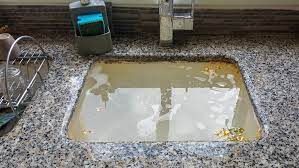
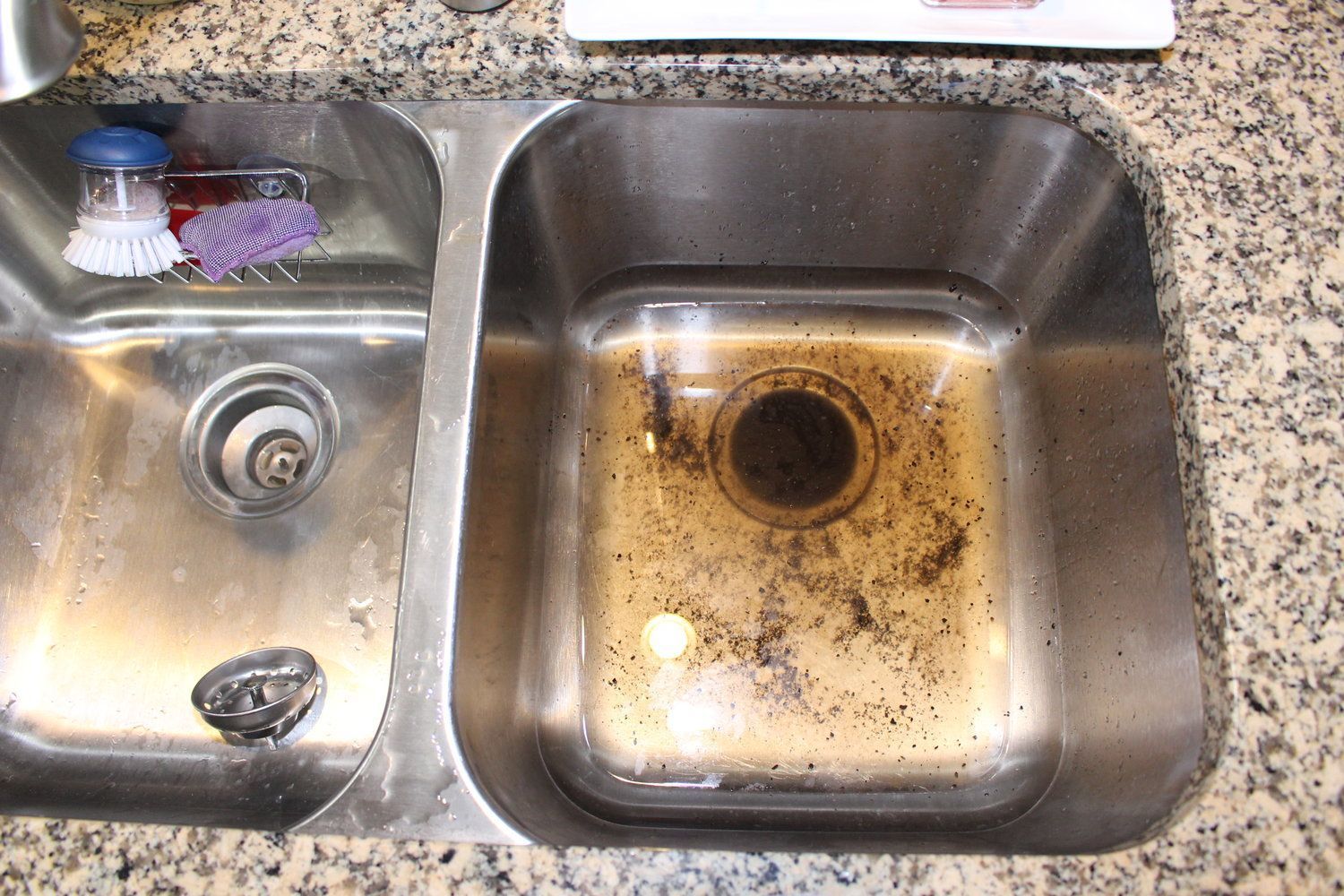
- Multiple drains backing up at the same time
- Gurgling sounds from toilets or drains
- Water backing up into bathtubs or showers
- Sewage odors inside or outside the home
- Frequent toilet clogs despite clearing them
These warning signs may indicate:
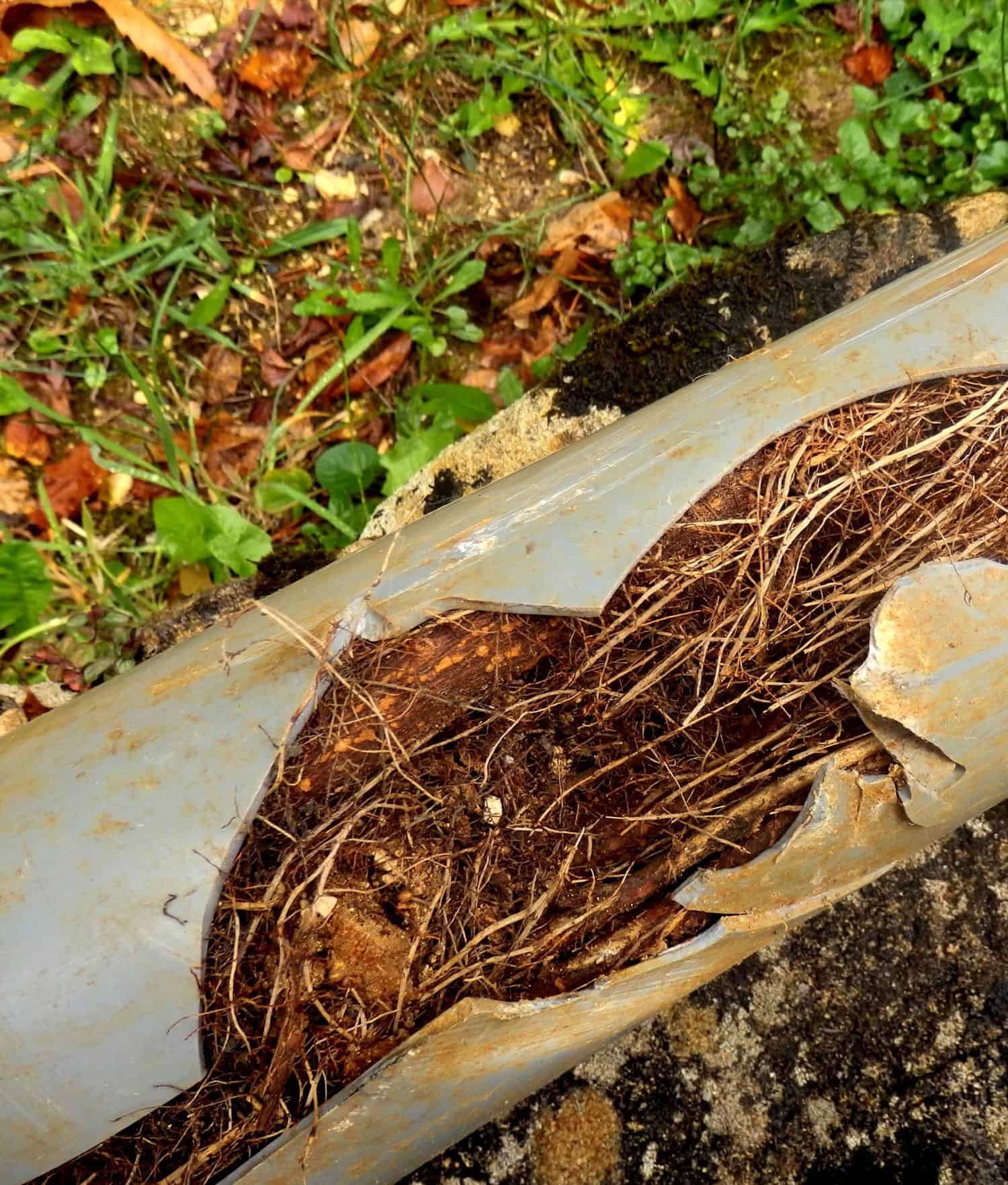
- Tree root intrusion
- Broken sewer pipes
- Pipe collapse
- Heavy grease buildup
- Major sewer blockages
A professional sewer inspection can identify the exact cause before more extensive damage occurs.
Preventing Future Toilet Clogs
Many toilet clogs can be prevented with simple habits.
Help keep your plumbing flowing by:
- Flushing only toilet paper and human waste
- Never flushing wipes, paper towels, or hygiene products
- Avoiding excessive toilet paper use
- Scheduling sewer inspections if your home has older plumbing
- Addressing slow drains before they become complete blockages
Preventive maintenance can reduce emergency plumbing repairs and help protect your sewer system.
When to Call Drain Brain LLC for Professional Sewer Repair in Denver, CO
If your toilet continues to clog after using a toilet snake, the blockage may be located farther down the drain or inside your sewer line.
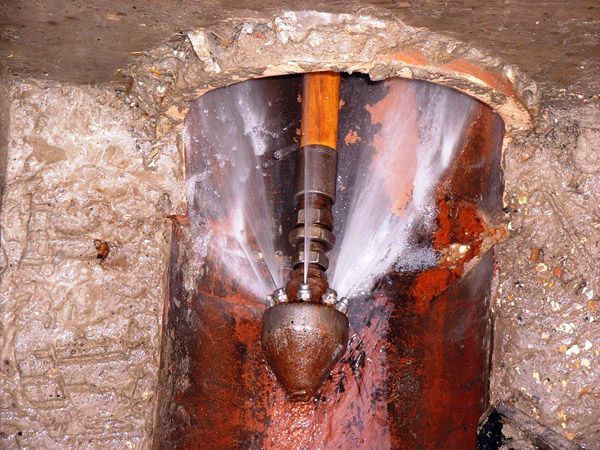
Drain Brain LLC helps homeowners throughout Denver, CO diagnose and repair sewer problems using professional equipment and proven repair methods.
Whether the issue involves a stubborn blockage, damaged sewer pipe, or recurring backups, experienced technicians can identify the source of the problem and recommend the most effective solution.
Ignoring recurring toilet clogs can allow sewer line damage to become more expensive over time. If DIY methods are no longer working, professional sewer repair can restore proper drainage and help prevent future plumbing emergencies.
Using A Toilet Snake- FAQ's
Can a toilet snake damage a toilet?
A toilet auger is specifically designed to protect porcelain when used correctly. Using excessive force or the wrong type of drain snake can damage the toilet.
Is a toilet snake better than a plunger?
A plunger is best for simple clogs near the toilet trap. A toilet snake is more effective for stubborn blockages located deeper inside the drain.
Why does my toilet keep clogging after using a snake?
Recurring clogs may indicate a blockage farther down the drain or a sewer line problem that requires professional inspection.
How far can a toilet snake reach?
Most residential toilet augers reach between 3 and 6 feet, making them effective for clearing clogs within the toilet and nearby drain.
When should I call a professional?
If your toilet continues to clog, multiple drains back up, or you notice sewage odors or gurgling sounds, it's time to contact Drain Brain LLC for professional sewer repair in Denver, CO.
Can a toilet snake damage a toilet?
A toilet auger is specifically designed to protect porcelain when used correctly. Using excessive force or the wrong type of drain snake can damage the toilet.
What is the difference between a toilet snake and a drain snake?
A toilet snake, also called a toilet auger, is specifically designed for toilets. It has a protective sleeve that helps prevent damage to porcelain. A standard drain snake is intended for sinks, tubs, and other drains and can scratch or crack a toilet if used improperly.
Can a toilet snake clear every clog?
No. A toilet snake is effective for many common toilet blockages, but it may not clear severe obstructions caused by tree roots, collapsed sewer pipes, heavy grease buildup, or clogs located deep within the sewer line. Persistent or recurring clogs should be professionally inspected.
Should I use chemical drain cleaners before using a toilet snake?
Chemical drain cleaners are generally not recommended for toilet clogs. They often fail to remove solid blockages, can damage plumbing over time, and may create safety hazards if professional service becomes necessary.