Drain Cleaning in Littleton, CO: When to Call a Professional for Clogged Drains
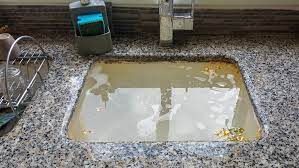
A slow sink or backed-up shower can start as a minor inconvenience, but drainage problems often become more disruptive when the underlying blockage is not fully removed.
Knowing when you can handle a simple clog yourself and when to schedule professional drain cleaning in Littleton, CO can help you prevent recurring backups and more serious drainage problems.
Clogs can develop from hair, grease, soap residue, food debris, mineral deposits, and other materials that gradually collect inside drain lines.
In some cases, a blockage may also involve the main sewer line rather than an individual fixture.
Drain Brain LLC provides professional drain cleaning services for homeowners dealing with slow drains, recurring clogs, backups, and other drainage concerns in Littleton, CO.
What Causes Clogged Drains in Littleton Homes?
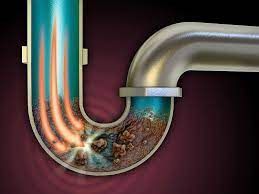
Most drain clogs develop gradually. Materials accumulate along the inside of a drain pipe until water can no longer move through the line efficiently.
Some of the most common causes include:
- Hair collecting in shower, bathtub, and bathroom sink drains
- Soap residue combining with hair and other debris
- Grease and cooking oil building up inside kitchen drain lines
- Food particles entering kitchen sinks
- Foreign objects becoming lodged in drains
- Mineral deposits narrowing the inside of pipes
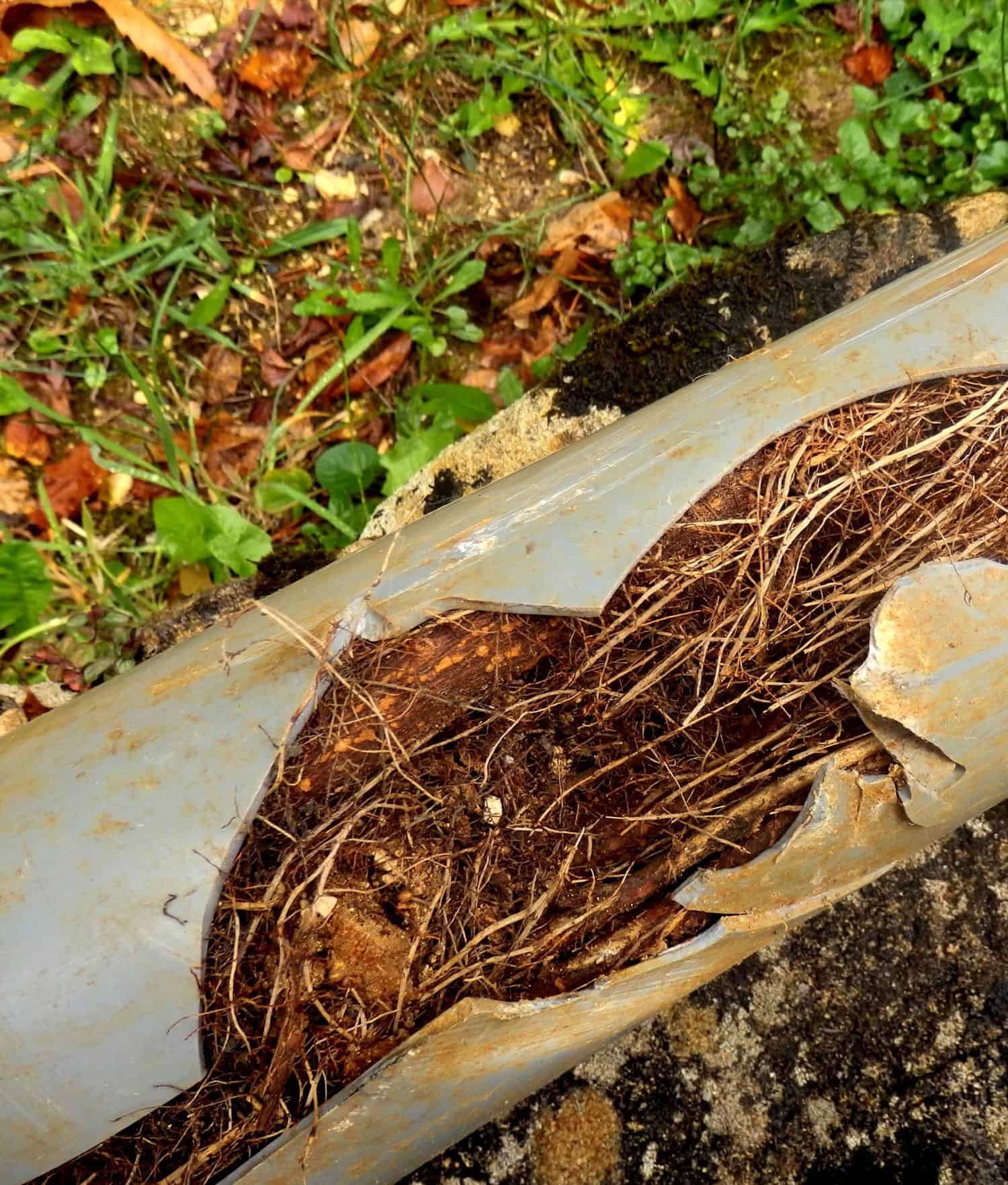
- Tree roots entering damaged or vulnerable sewer lines
- Deteriorating drain or sewer pipes
The location of the clog can provide clues about its cause. A single slow bathroom sink, for example, may indicate a localized blockage. Several fixtures draining slowly at the same time can point to a problem farther down the drainage system.
Recurring clogs deserve particular attention. If the same drain repeatedly becomes slow or blocked after being cleared, buildup may remain deeper inside the pipe
Not every slow drain requires immediate professional service, but certain symptoms indicate that a blockage may be more substantial than a basic household clog.
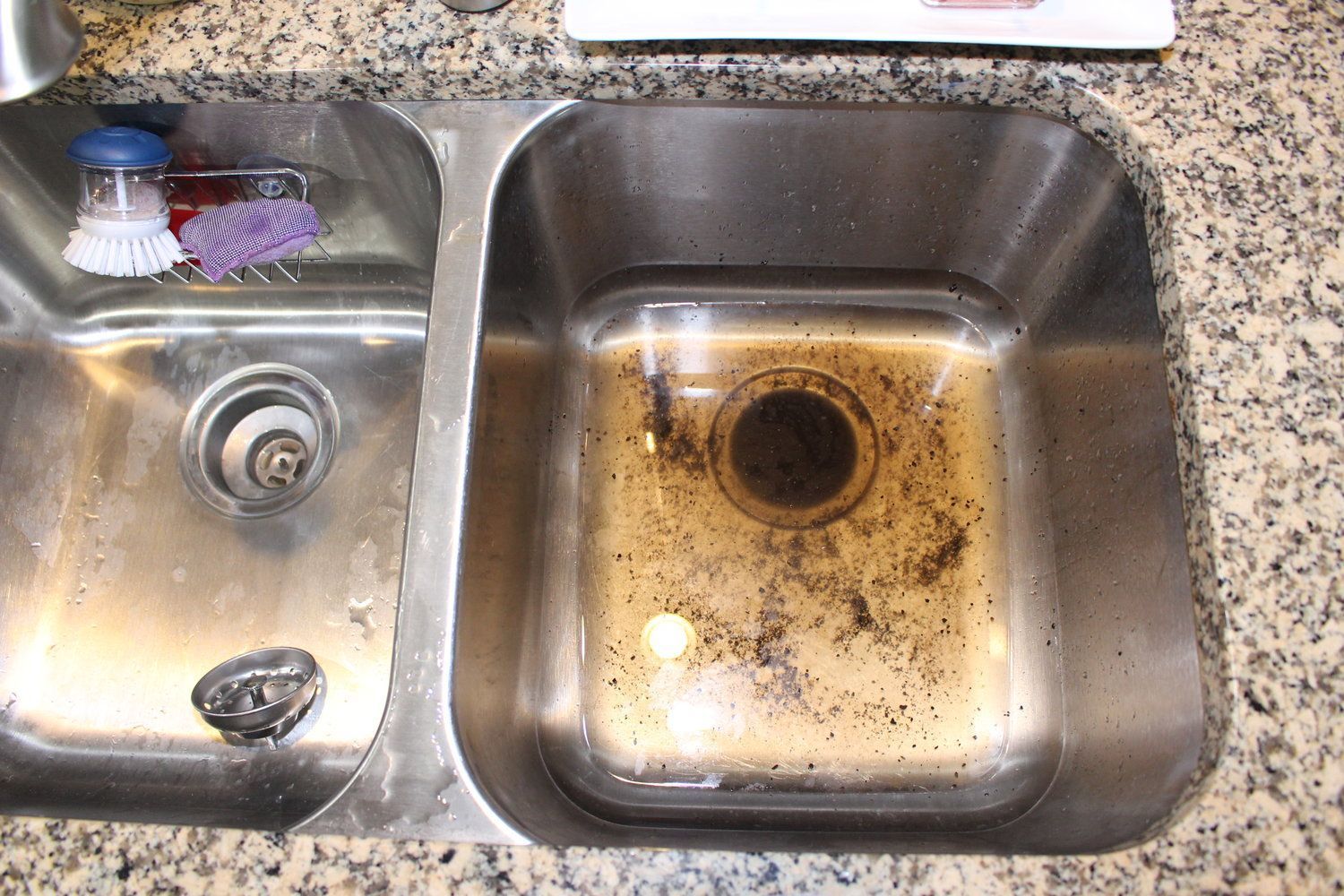
Water drains slowly
A sink, shower, or bathtub that takes increasingly longer to drain often indicates buildup inside the pipe. Addressing the problem early may prevent the drain from becoming completely blocked.
The same drain keeps clogging
A clog that repeatedly returns can indicate that only part of the obstruction is being removed. Grease, sludge, hair, or other buildup may still be restricting the pipe.
Multiple drains are affected
When several fixtures become slow or backed up at approximately the same time, the issue may be located in a shared drain or main sewer line.
You hear gurgling sounds
Gurgling from toilets or drains can occur when air is being displaced because wastewater is having difficulty moving through the plumbing system.
Water backs up into another fixture
If running one fixture causes water to appear in another drain, the blockage may be located deeper within the drainage system.
Unpleasant odors come from drains
Persistent drain odors can result from organic material or wastewater remaining inside a partially blocked pipe.
When these symptoms continue despite basic attempts to clear the drain, professional drain cleaning can help determine the appropriate next step.
Can You Clear a Clogged Drain Yourself?
Some minor clogs can be handled with basic homeowner maintenance.
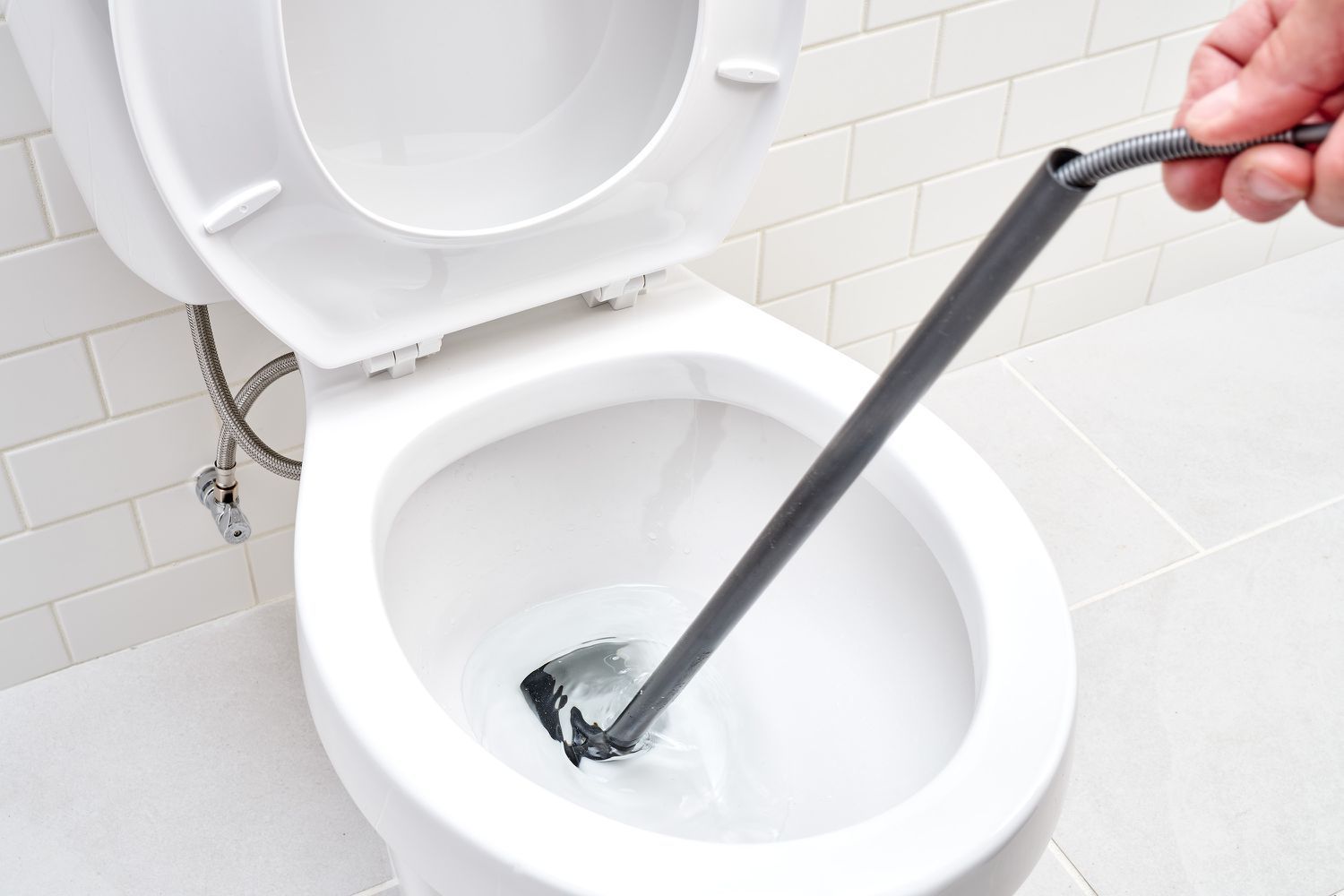
A plunger may clear a simple obstruction near a fixture. Removing visible hair or debris from a drain opening can also improve drainage when the blockage is accessible.
However, repeated DIY attempts are less useful when the obstruction is farther inside the drain line.
Homeowners should also be cautious about relying on aggressive chemical drain cleaners. These products may not completely remove substantial buildup, and repeatedly pouring chemicals into a slow drain does not address why the blockage keeps returning.
A useful rule is to pay attention to recurrence. If a drain clears temporarily but becomes slow again shortly afterward, the underlying problem may require professional cleaning or inspection.
Professional service becomes especially important when:
- Several fixtures are affected
- The clog keeps returning
- Wastewater is backing up
- The blockage cannot be reached
- There may be a main sewer line problem
Drain snaking and hydro jetting can both be used to address drainage problems, but they work differently.
Drain snaking
Drain snaking uses a flexible cable that travels through the drain line to break through or remove an obstruction.
Snaking may be appropriate for localized clogs caused by materials such as hair or other debris. It can restore water flow when a specific obstruction is blocking the pipe.
Hydro jetting
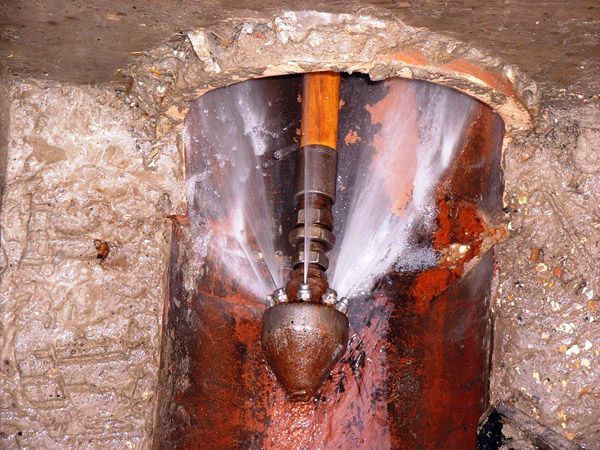
Hydro jetting uses high-pressure water to clean buildup from the inside of a drain or sewer line.
Instead of simply opening a path through a blockage, hydro jetting can help remove materials that have accumulated along the pipe walls, including:
- Grease
- Sludge
- Soap residue
- Certain mineral deposits
- Other stubborn buildup
Hydro jetting may be useful when clogs can repeatedly return because substantial residue remains inside the line.
Neither method is automatically the right choice for every situation. The location and cause of the blockage, along with the condition of the pipe, should determine which drain cleaning method is appropriate.
Drain Brain LLC can evaluate the drainage problem and determine whether drain snaking, hydro jetting, or another approach makes sense.
When Does a Clogged Drain Point to a Sewer Line Problem?
A clogged sink or shower is often limited to one drain. When several plumbing fixtures begin experiencing problems at the same time, however, the main sewer line may need attention.
Possible warning signs include:
- Several slow drains throughout the home
- Toilets and floor drains backing up together
- Water appearing in one fixture when another fixture is used
- Repeated drainage problems throughout the house
- Sewage or wastewater backing up through drains
- Persistent gurgling from multiple plumbing fixtures
Main sewer line blockages can result from heavy buildup, tree root intrusion, damaged pipes, or other conditions within the line.
Because the problem is located farther downstream, clearing one individual fixture may not solve it.
When a sewer camera inspection may help
A sewer camera inspection allows the inside of a drain or sewer line to be evaluated when the source of the problem is not clear.
An inspection can help identify conditions such as:
- Heavy buildup
- Root intrusion
- Pipe damage
- Obstructions
- Areas where drainage problems repeatedly develop
Drain cleaning and camera inspection perform different functions. Cleaning is intended to address a blockage or buildup, while an inspection helps identify what is happening inside the line.
How to Prevent Recurring Drain Clogs
Preventing everything from entering a drain is impossible, but changing a few household habits can reduce unnecessary buildup.
Keep grease out of kitchen drains
Cooking oil, fats, and grease can cool and collect inside drain pipes. Dispose of these materials separately rather than pouring them down the sink.
Use drain strainers
Screens or strainers can catch hair, food particles, and other debris before they enter the drainage system.
Remove hair regularly
Hair is a frequent cause of bathroom drain problems. Cleaning visible hair from drain openings can reduce buildup farther inside the pipe.
Be careful what you flush
Only appropriate materials should go through toilets. Items that do not break down properly can contribute to blockages farther down the system.
Pay attention to slow drainage
A drain often becomes slow before it becomes completely clogged. Scheduling service while water is still moving can prevent a more inconvenient backup.
Investigate recurring problems
A drain that repeatedly clogs may be telling you something about the condition of the line. Repeatedly clearing the same symptom without addressing the underlying cause can lead to an ongoing cycle of backups.
When to Schedule Drain Cleaning in Littleton, CO
You do not necessarily need professional service every time a sink drains slightly slower than usual. However, persistent or recurring symptoms should not be ignored.
Consider scheduling drain cleaning in Littleton, CO when:
- A drain remains clogged after basic attempts to clear it
- The same clog repeatedly returns
- Several drains are slow at the same time
- Water or wastewater backs up through another fixture
- You suspect a blockage in the main sewer line
- Drain odors or gurgling continue
- You need to determine whether snaking, hydro jetting, or further inspection is appropriate
Professional drain cleaning is not simply about getting water moving again. The goal is to identify the type of drainage problem and use an appropriate method to address it.
Frequently Asked Questions About Drain Cleaning in Littleton, CO
How do I know if I need professional drain cleaning?
You may need professional drain cleaning if a drain repeatedly clogs, several drains are slow at the same time, water backs up into another fixture, or basic methods do not restore normal drainage. These symptoms can indicate buildup or a blockage deeper in the drainage system.
What causes drains to keep clogging?
Recurring drain clogs can result from hair, grease, soap residue, food debris, mineral buildup, or an obstruction that was only partially removed. If several fixtures are affected, the problem may be located in a shared drain or main sewer line.
Is a slow drain a sign of a bigger plumbing problem?
A slow drain can be an early sign of buildup inside the pipe. If only one fixture is affected, the problem may be localized. If several drains become slow at the same time, a blockage farther down the drainage system may be responsible.
Should I use chemical drain cleaner for a clogged drain?
Chemical drain cleaners may not fully remove substantial or recurring blockages. Repeated use also does not address the underlying reason a drain keeps clogging. If a clog returns or multiple drains are affected, professional drain cleaning may be a better next step.
What is the difference between drain snaking and hydro jetting?
Drain snaking uses a flexible cable to break through or remove an obstruction. Hydro jetting uses high-pressure water to clean buildup from the inside of a drain or sewer line. The appropriate method depends on the cause of the blockage and the condition of the pipe.
When is hydro jetting recommended?
Hydro jetting may be recommended when grease, sludge, soap residue, or other substantial buildup is coating the inside of a drain or sewer line. It can also be considered when recurring clogs suggest that material remains inside the pipe after temporary clearing.
How can I tell if the main sewer line is clogged?
Possible signs of a main sewer line clog include multiple drains backing up, toilets and drains gurgling, wastewater appearing in another fixture, and drainage problems affecting several areas of the home at once. A professional evaluation can help determine where the blockage is located.
Can a sewer camera inspection find the cause of a clogged drain?
A sewer camera inspection can help identify conditions inside a drain or sewer line, including obstructions, heavy buildup, root intrusion, and pipe damage. It may be useful when drainage problems repeatedly return or the source of a blockage is unclear.
How often should homeowners have their drains professionally cleaned?
There is no single cleaning schedule that applies to every home. Professional drain cleaning is typically appropriate when slow drainage, recurring clogs, backups, or other symptoms develop. Homes with repeated buildup may benefit from more proactive maintenance based on the condition of their drain lines.
How can I prevent clogged drains?
Homeowners can reduce clogs by keeping grease and cooking oil out of kitchen sinks, using drain strainers, removing hair from bathroom drains, avoiding flushing inappropriate materials, and addressing slow drains before they become completely blocked.
Can one clogged drain affect other drains in the house?
A localized clog usually affects one fixture. However, a blockage in a shared drain or main sewer line can cause problems in several fixtures. Water backing up in one drain when another fixture is used is a strong indication that the problem may be farther downstream.
When should I call Drain Brain LLC for drain cleaning in Littleton, CO?
Contact Drain Brain LLC when a clog will not clear, the same drain keeps clogging, several drains are slow, wastewater is backing up, or you suspect a main sewer line problem. Drain Brain LLC can evaluate the issue and determine the appropriate drain cleaning method for your Littleton, CO home.
Professional Drain Cleaning in Littleton, CO
Drain problems can range from a small fixture clog to substantial buildup or a blockage farther inside the drainage system. Recognizing the difference can help homeowners avoid repeated temporary fixes and know when professional service is warranted.
Drain Brain LLC helps homeowners address clogged drains, slow drainage, recurring backups, and other drain cleaning needs in Littleton, CO.
If your drain continues to clog, several fixtures are draining slowly, or wastewater is beginning to back up, contact Drain Brain LLC at 720-322-4845 to schedule professional Drain Cleaning in Littleton, CO service and determine the appropriate solution for your drainage problem.