How To Clean out Drain Pipes in Denver, CO: Safe DIY Steps and When To Call a Professional
To clean out drain pipes, remove visible debris, use a plunger, or carefully insert a hand drain snake. Recurring clogs, multiple slow drains, or sewage backups require professional drain cleaning.
How To Clean out Drain Pipes in Denver, CO
Cleaning out drain pipes starts with identifying where the blockage is located and choosing a method that will not damage the plumbing system.
Minor clogs near a sink, shower, or tub drain may respond to plunging, debris removal, or a hand-operated drain snake. Recurring clogs, multiple slow drains, sewage backups, or deep blockages usually require professional drain cleaning.
Denver homeowners should also consider the age and condition of their pipes. Older clay, cast-iron, or deteriorating sewer lines may have corrosion, scale, cracks, root intrusion, or separated joints that cannot be corrected with a basic household drain cleaner.
What Causes Drain Pipes To Become Clogged?
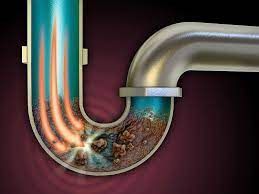
Drain pipes collect more than water. Hair, grease, soap residue, food particles, mineral deposits, and other materials can gradually stick to the inside of the pipe.
As buildup increases, the opening becomes smaller and water begins to drain more slowly.
Common causes of clogged drain pipes include:
- Hair and soap residue in bathroom drains
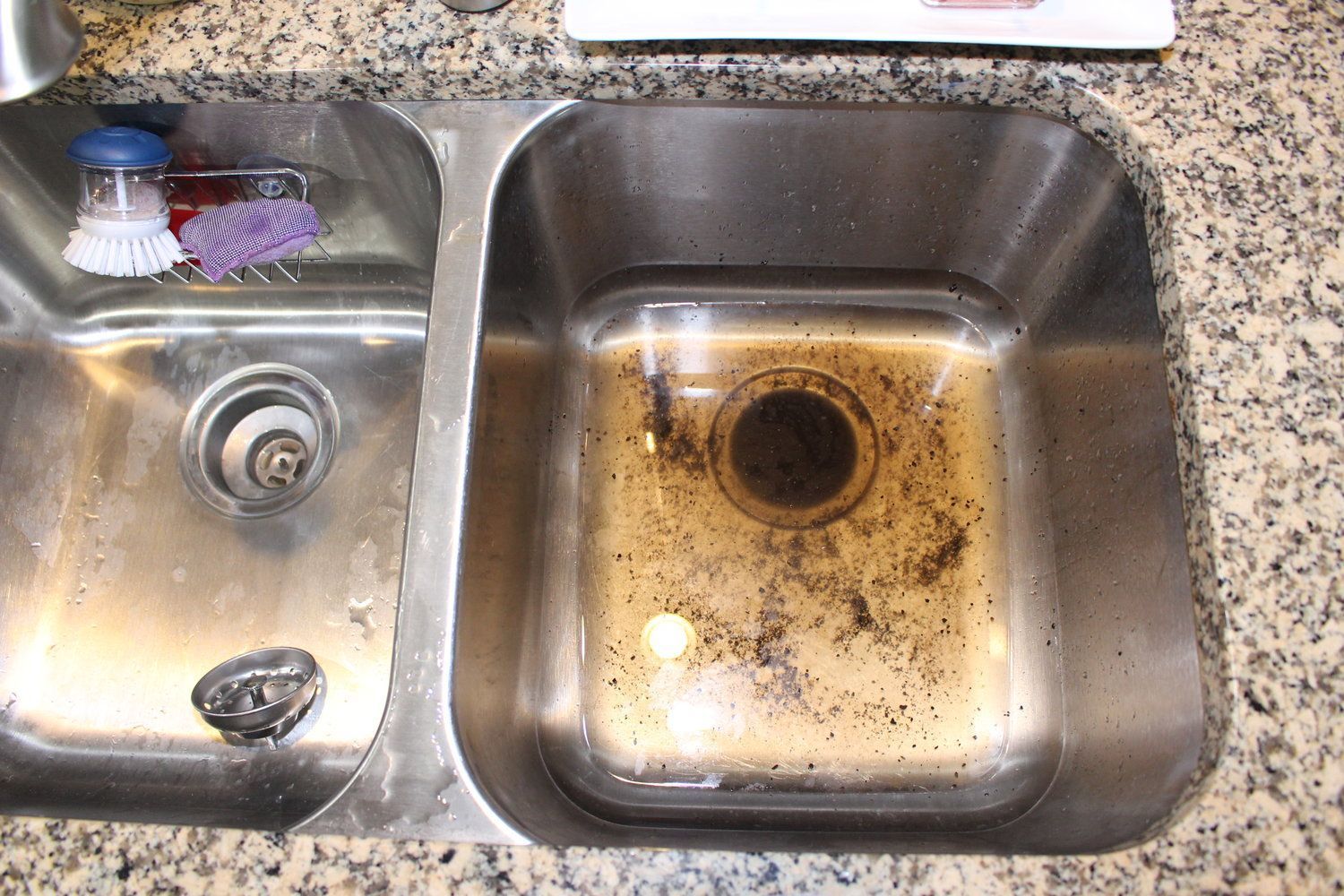
- Grease, oil, and food waste in kitchen drains
- Flushable wipes, paper products, and foreign objects
- Mineral deposits and interior pipe corrosion
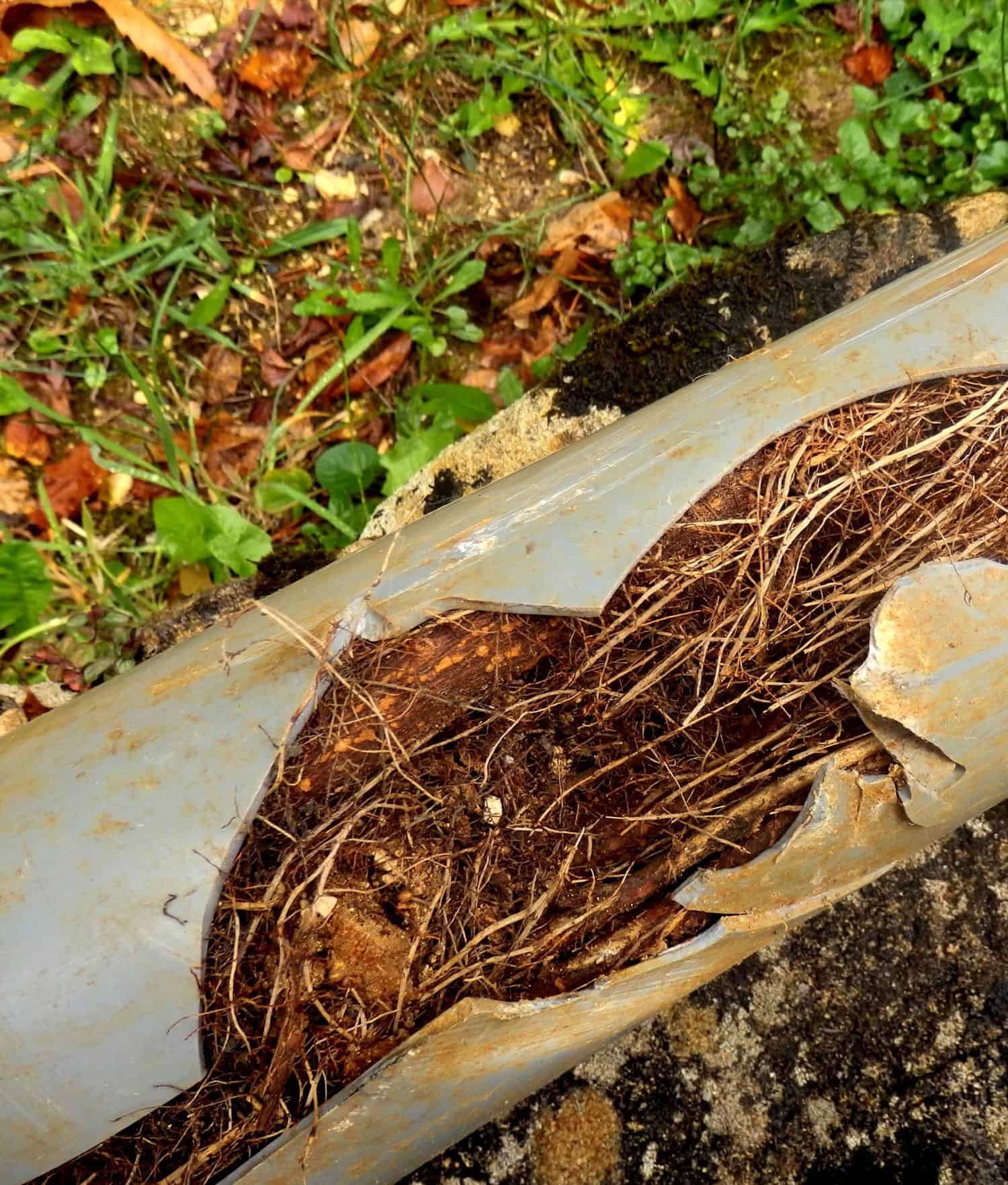
- Tree roots entering underground sewer lines
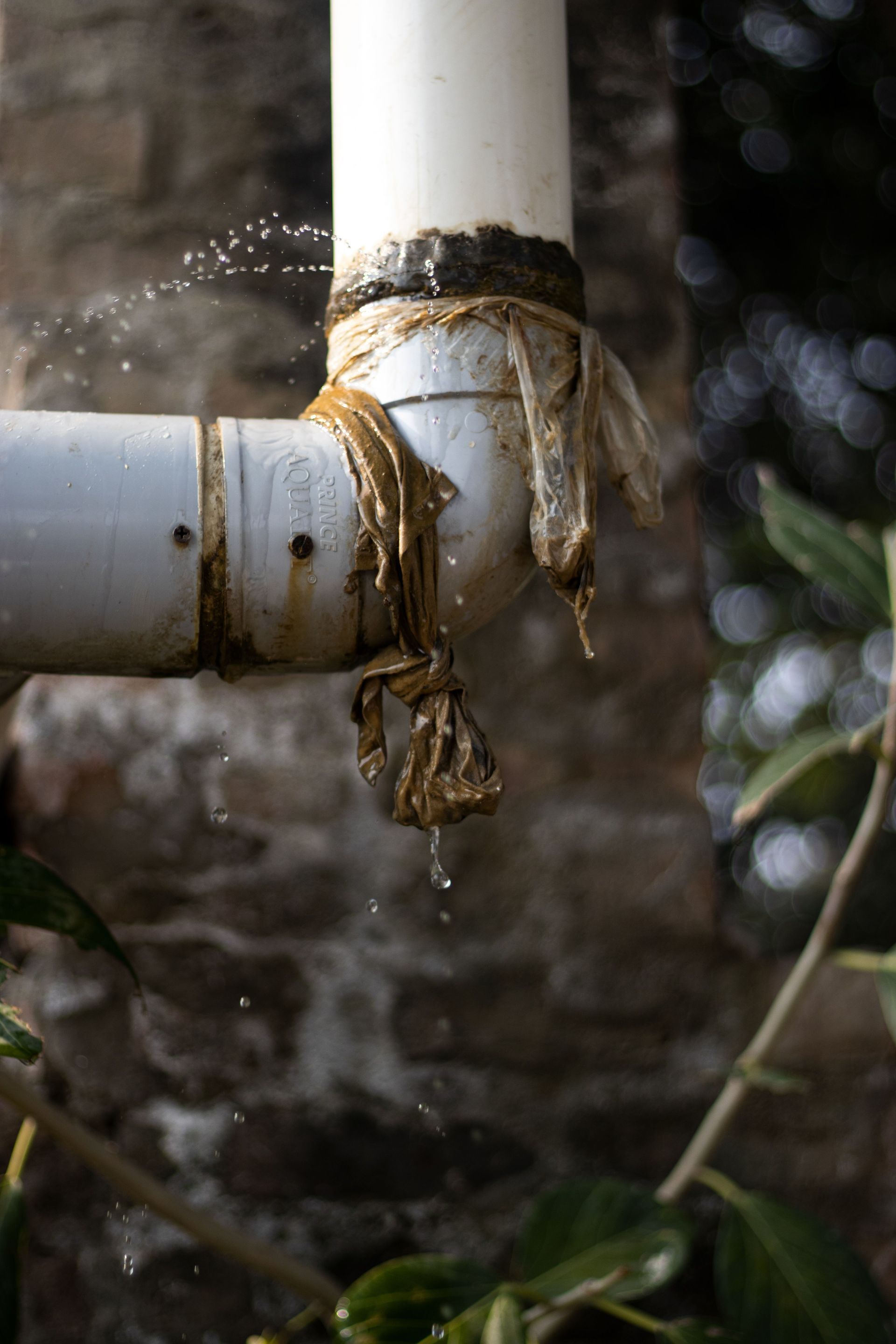
- Damaged, cracked, offset, or collapsed pipes
- Improper pipe slope
- Heavy buildup inside older drain lines
Kitchen drains are especially vulnerable to grease. Grease may enter the drain as a liquid, but it cools and sticks to the pipe walls. Food particles and other debris then attach to the grease and create a dense obstruction.
Bathroom drains usually clog because of hair, soap, shaving products, and personal-care residue. A bathroom clog may begin near the stopper, but buildup can also develop farther inside the branch line.
In older Denver homes, recurring drainage problems may be related to aging clay or cast-iron piping. Mechanical cleaning may restore flow temporarily, but damaged or deteriorated pipes may need inspection and repair.
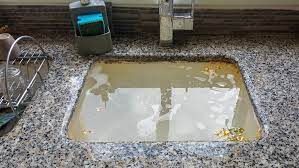
A single slow sink, shower, or tub usually indicates a clog near that fixture. When several drains become slow at the same time, the blockage may be located in a branch drain or the main sewer line.
Signs of a main sewer line blockage include:
- Multiple slow drains
- Gurgling toilets
- Water rising in a bathtub or floor drain
- Sewage odors
- Wastewater backing up into lower fixtures
Stop using water if sewage begins backing up. Additional water can make the problem worse.
How To Clean out Drain Pipes Safely
Start by removing the drain cover or stopper and pulling out visible hair or debris. Clean the stopper before reinstalling it.
Use a plunger for a shallow clog. Create a tight seal over the drain and use controlled plunging motions.
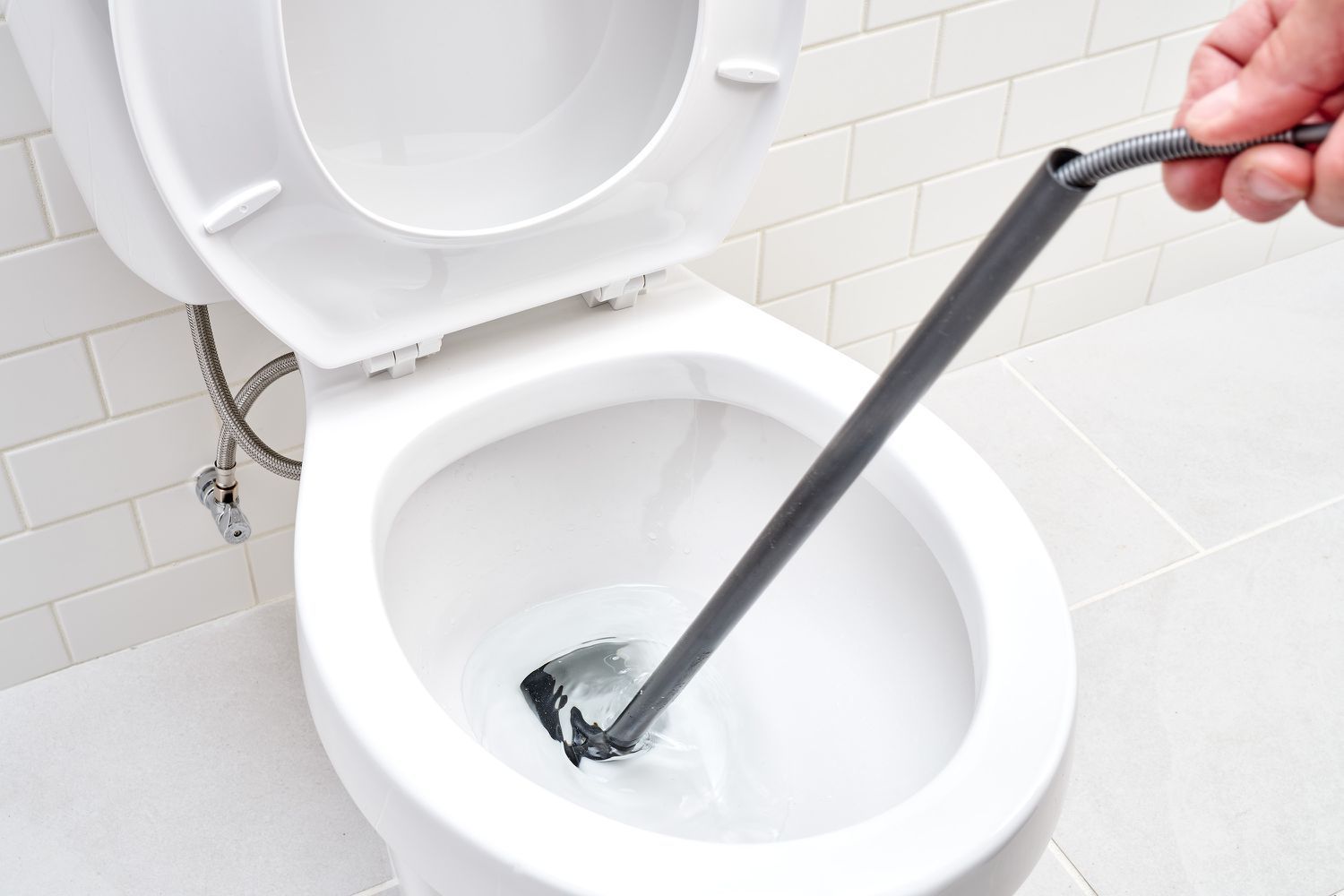
A plastic drain-removal tool can pull hair from bathroom drains. For clogs farther inside the pipe, carefully use a hand-operated drain snake. Feed the cable slowly and avoid forcing it through resistance.
After clearing the obstruction, flush the drain with hot tap water. Avoid pouring boiling water into older or damaged plumbing because extreme heat may affect some pipes and joints.
Use a Plunger
A plunger can loosen minor clogs near a sink, tub, shower, or toilet drain.
For sinks and tubs, use a flat-bottomed cup plunger. Add enough water to cover the bottom of the plunger, create a firm seal, and use controlled plunging motions.
Block the overflow opening with a wet cloth when plunging a bathroom sink or bathtub. This helps direct pressure into the drain pipe.
Use a toilet plunger with an extended flange for toilet clogs. Do not use the same plunger on both toilets and sinks.
Which Drain Cleaning Methods Should Homeowners Avoid?
Avoid repeatedly using chemical drain cleaners. These products may damage pipes, seals, and finishes. Chemicals can also remain trapped behind a blockage and create a safety risk during professional service.
Never mix drain cleaner with bleach, ammonia, or another cleaning product.
Do not force a drain snake through a pipe. Excessive pressure can damage weak plumbing or cause the cable to become stuck.
A household pressure washer should not be used as a substitute for professional hydro jetting equipment.
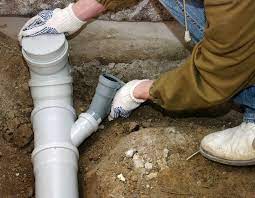
A sewer cleanout provides direct access to the main sewer line. It may be located outside near the foundation, in a basement, in a crawlspace, or near the point where the sewer pipe exits the home.
Professional equipment can be inserted through the cleanout to remove roots, grease, sludge, scale, and other obstructions.
Main sewer lines usually require powered drain cabling, hydro jetting, or sewer camera inspection.
Opening a cleanout during an active backup can release sewage under pressure, so homeowners in Denver should use caution.
When Is Professional Drain Cleaning Needed?
Professional drain cleaning may be necessary when:
- The clog repeatedly returns
- Several fixtures are affected
- Sewage backs up
- A drain snake cannot clear the blockage
- Toilets bubble when water is used
- Tree roots are suspected
- Drain odors continue after cleaning
- Older pipes may be damaged
Drain Brain LLC can determine whether the pipe needs drain cabling, hydro jetting, sewer camera inspection, or repair.
What Is the Difference Between Drain Snaking and Hydro Jetting?
Drain snaking uses a rotating cable to break through or retrieve an obstruction. It can restore flow through hair, paper, roots, and some solid blockages.
Hydro jetting uses controlled high-pressure water to remove grease, sludge, scale, and buildup from more of the pipe’s interior surface.
A sewer camera inspection may be recommended before hydro jetting when pipes are old, deteriorated, or frequently clogged.
Why Do Drain Pipes Keep Clogging?
Drain pipes often keep clogging because the blockage is being temporarily opened without removing the underlying buildup or pipe problem.
Common causes include grease and food waste, hair and soap residue, “flushable” wipes, mineral deposits, tree roots, damaged pipes, or poor drainage slope.
If the same drain repeatedly backs up, the problem may be deeper in the branch line or main sewer line.
Professional drain cleaning and a sewer camera inspection can identify whether the cause is heavy buildup, roots, corrosion, a broken pipe, or improper
Drain cleaning restores flow, but it cannot repair structural pipe damage.
How To Prevent Drain Pipe Clogs
Use drain strainers to catch hair and food particles. Keep grease, cooking oil, coffee grounds, wipes, and fibrous food waste out of drains.
Clean sink stoppers and drain covers regularly. Address slow drainage before the pipe becomes completely blocked.
A drain that repeatedly clogs should be professionally inspected. Early diagnosis may help prevent sewage backups and more extensive sewer problems.
Drain Pipe Cleaning- FAQ's
What is the best way to clean out drain pipes?
The best way to clean out drain pipes depends on the location and type of blockage. Remove visible debris first, then try a plunger or hand-operated drain snake for a shallow clog. Recurring clogs, multiple slow drains, or sewage backups usually require professional drain cleaning.
How do you clean buildup from inside drain pipes?
Light organic buildup may be reduced with hot tap water, an enzyme-based drain cleaner, or a hand-operated drain snake. Heavy grease, sludge, mineral scale, and debris attached to the pipe walls may require professional hydro jetting.
Can baking soda and vinegar unclog a drain pipe?
Baking soda and vinegar may help loosen light residue and reduce odors, but they usually cannot remove a serious blockage. They will not clear tree roots, dense grease, mineral scale, foreign objects, or a damaged sewer pipe.
Is it safe to use chemical drain cleaner?
Chemical drain cleaners can damage certain pipes, seals, and finishes, especially when used repeatedly. They may also remain trapped behind a blockage and create a chemical exposure risk. Never mix drain cleaner with bleach or other cleaning products.
How do I know if the main sewer line is clogged?
A main sewer line may be clogged when several drains become slow at the same time, toilets bubble, wastewater rises in a bathtub or floor drain, or sewage odors come from multiple fixtures. Stop using water and contact a drain cleaning professional if sewage begins backing up.
Why does my drain keep clogging after it has been snaked?
A drain may clog again because the snake created only a small opening through the obstruction. Grease, roots, scale, or sludge may remain inside the pipe. Recurring clogs can also indicate cracks, offset joints, corrosion, poor pipe slope, or a partially collapsed sewer line.
Can homeowners clean a main sewer line themselves?
Most homeowners should not attempt to clean a main sewer line without the correct equipment and experience. Sewer cleanouts may release wastewater under pressure, and improper use of powered cables or pressure equipment can damage pipes or cause sewage exposure.
When should I call a professional drain cleaner?
Call a professional when multiple fixtures are affected, the clog keeps returning, sewage backs up, a drain snake cannot clear the line, or tree roots and pipe damage are suspected. These problems may require drain cabling, hydro jetting, or a sewer camera inspection.
How can I prevent drain pipes from clogging?
Use drain strainers, keep grease and food waste out of kitchen drains, remove hair regularly, avoid flushing wipes, and address slow drains early. Repeated drainage problems should be inspected before they develop into a complete blockage or sewage backup.
Can tree roots be removed from a sewer line?
Tree roots may be cut or reduced with professional drain cabling or hydro jetting. However, roots usually enter through a crack or failed pipe joint. Sewer repair may be necessary to prevent the roots from returning.
Who provides professional drain cleaning in Denver, CO?
Drain Brain LLC provides professional drain cleaning in Denver, CO. Depending on the cause of the blockage, service may include drain cabling, hydro jetting, sewer cleanout access, or sewer camera inspection.
Schedule Drain Cleaning in Denver, CO
Drain Brain LLC provides professional drain cleaning in Denver, CO for slow drains, recurring clogs, grease buildup, tree roots, sewer line blockages, and wastewater backups.
Depending on the problem, service may include drain cabling, hydro jetting, sewer cleanout access, or sewer camera inspection.
Contact Drain Brain LLC at 720-322-4845 to restore proper drainage and determine whether the drain pipe needs cleaning or repair.