Why Do My Drains Keep Clogging in Denver, CO? 7 Causes of Recurring Drain Clogs
If your drains keep clogging in Denver, CO, the problem may be more than a one-time blockage.
Recurring drain clogs can be caused by grease, hair, soap buildup, items being flushed down drains, pipe scale, tree roots, damaged sewer pipes, or a partial main sewer line blockage.
When a clog repeatedly returns after plunging or snaking, the underlying cause may need professional drain cleaning, hydro jetting, or a sewer camera inspection.
A slow or clogged drain is common in any home. But when the same sink, shower, toilet, or multiple drains keep backing up, there is usually a reason the problem continues.
Understanding what causes recurring drain clogs can help you determine whether you are dealing with a simple localized blockage or a deeper drain or sewer line problem.
Recurring clogged drains usually happen because something continues accumulating inside the pipe or because an existing blockage was never fully removed.
Here are seven of the most common causes.
1. Grease and Food Buildup in Kitchen Drains
Kitchen sinks frequently develop clogs from grease, cooking oils, fats, food particles, and other debris.
Even when grease is poured down the drain as a liquid, it can cool and stick to the inside walls of the pipe.
Food particles and other debris then attach to the grease, gradually narrowing the opening.
A kitchen drain may initially seem fixed after plunging or snaking, but the clog can return when the buildup remains along the pipe walls.
Signs of grease buildup may include:
- Kitchen sink draining slowly
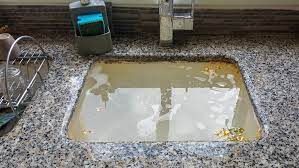
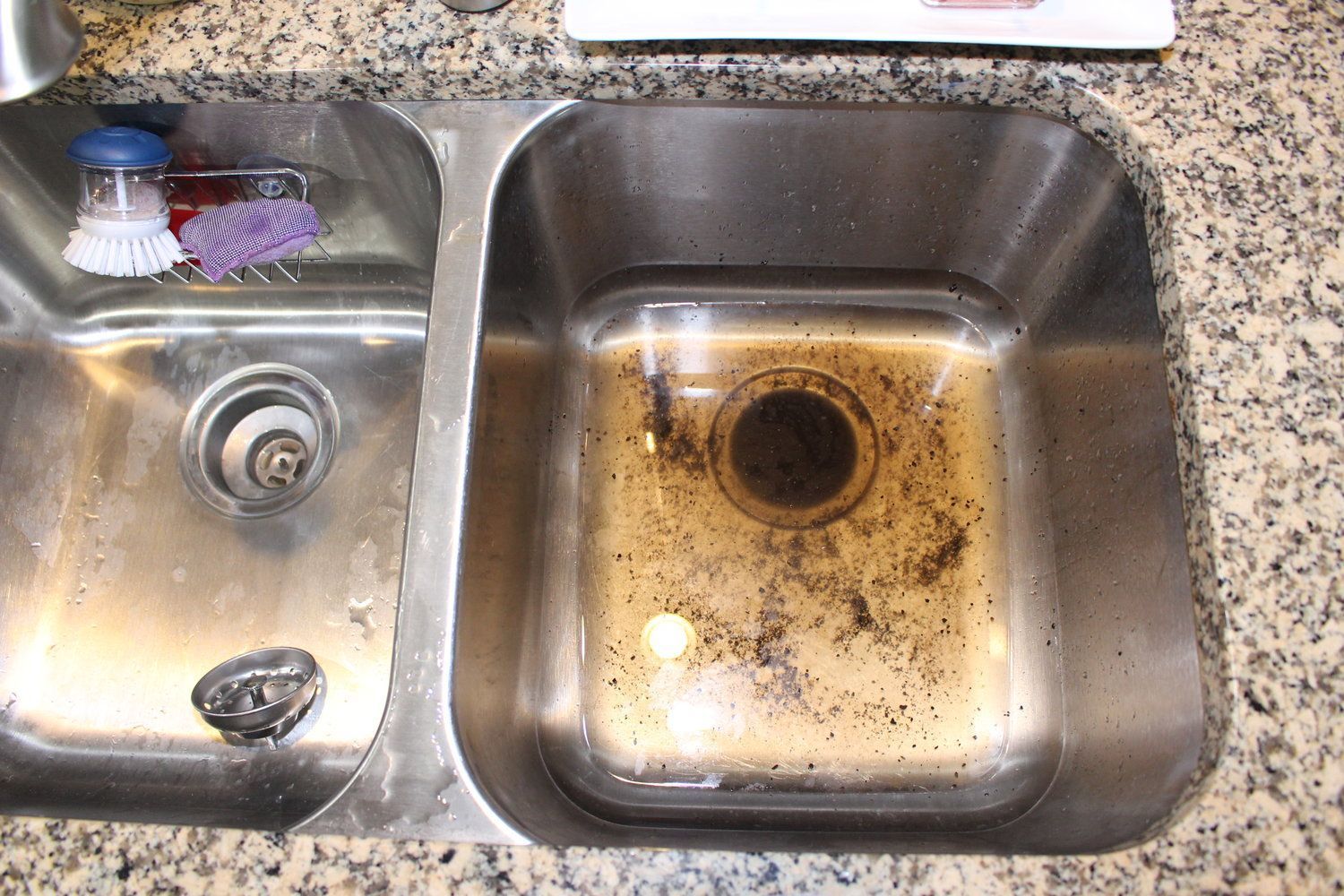
- Water standing in the sink
- Gurgling after using the drain
- Frequent kitchen drain clogs
- Bad odors coming from the drain
Professional drain cleaning may be necessary when kitchen drain clogs continue returning.
2. Hair and Soap Buildup
Bathroom drains are especially vulnerable to hair, soap residue, shampoo, shaving products, and other materials.
Hair can become tangled inside the drain while soap and other residue stick to it. Over time, this creates a dense blockage that becomes increasingly difficult for water to pass through.
Common problem areas include:
- Shower drains
- Bathtub drains
- Bathroom sinks
Drain strainers can reduce the amount of hair entering the plumbing system, but existing buildup may still need to be removed.
3. Items Being Flushed or Washed Down the Drain
Many recurring drain clogs start with materials that should never enter the plumbing system.
Problem items can include:
- Disposable wipes
- Paper towels
- Feminine hygiene products
- Cotton swabs
- Dental floss
- Excess toilet paper
- Food scraps
- Coffee grounds
- Grease and cooking oil
Even products labeled as flushable may not break down as quickly as toilet paper.
When these materials collect farther down the drain or sewer line, homeowners may experience repeated toilet clogs or backups.
4. Buildup Along the Inside of the Drain Pipe
Not every drain clog is caused by one solid obstruction.
Over time, sludge, grease, soap residue, minerals, and debris can accumulate along the interior walls of a pipe.
As the usable diameter becomes smaller, water moves more slowly through the drain. Eventually, even a small amount of additional debris can create another blockage.
This can explain why a drain keeps clogging even after it has been snaked.
A drain snake may create an opening through a blockage without removing all the material coating the pipe.
In some situations, more thorough drain cleaning or hydro jetting may be used to remove accumulated material from the interior of the line.
5. Tree Roots Entering the Sewer Line
Tree roots are another possible cause of recurring sewer and drain clogs.
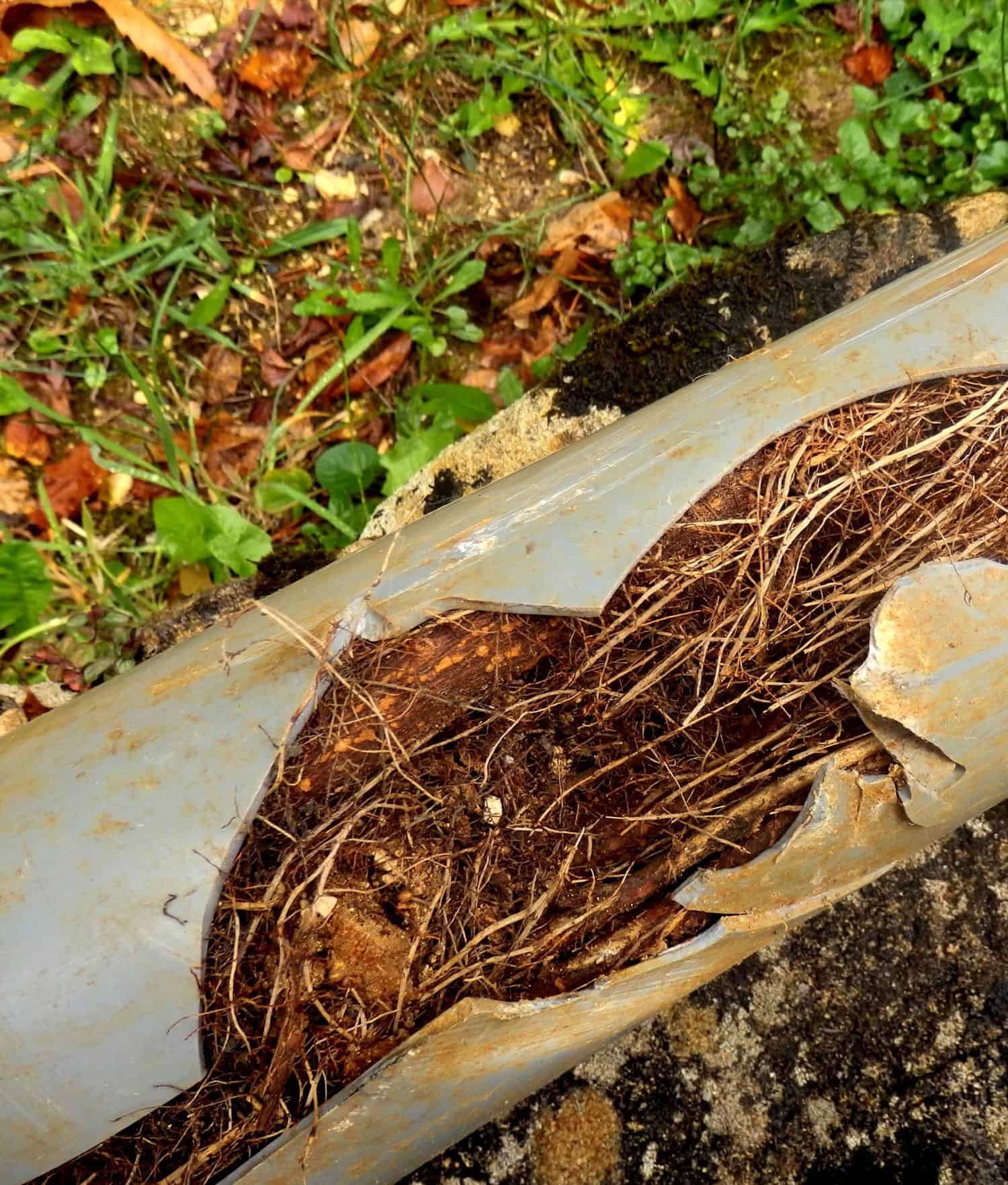
Roots naturally grow toward moisture. If a sewer pipe has a crack, loose joint, or another opening, roots can enter the line and continue growing inside it.
Once inside, roots can trap:
- Toilet paper
- Grease
- Waste
- Debris
This can create repeated sewer line blockages even after the line has temporarily been opened.
Possible signs of tree root intrusion include:
- Recurring main sewer line clogs
- Multiple slow drains
- Gurgling toilets
- Sewage backups
- Clogs that return after drain cleaning
A sewer camera inspection can help identify whether roots are entering the line.
6. Damaged, Shifted or Bellied Sewer Pipes
Sometimes the problem is not what is inside the pipe. The problem is the pipe itself.
Sewer lines can develop:
- Cracks
- Broken sections
- Separated joints
- Corrosion
- Low sections or bellies
- Misaligned sections
- Collapsed areas
A bellied sewer line creates a low area where water and waste can collect instead of flowing normally.
Because debris repeatedly settles in the same location, homeowners may experience the same sewer clog over and over.
Drain cleaning may restore flow temporarily, but if the underlying pipe is damaged, additional repair may eventually be necessary.
7. A Partial Main Sewer Line Blockage
If several drains in your home are slow or clogged at the same time, the problem may be farther down the plumbing system.
A partial main sewer line blockage can affect multiple fixtures because those drains eventually connect to the main line leaving the home.
Warning signs may include:
- Multiple drains draining slowly
- Toilet bubbling or gurgling
- Water backing up into a bathtub or shower
- Floor drain backups
- Toilet problems occurring with other drain problems
- Sewage odors
- Repeated whole-house drainage problems
A partial blockage may continue allowing some water to pass, which can make the problem appear temporary.
As more debris accumulates, however, the sewer line may eventually become completely blocked.
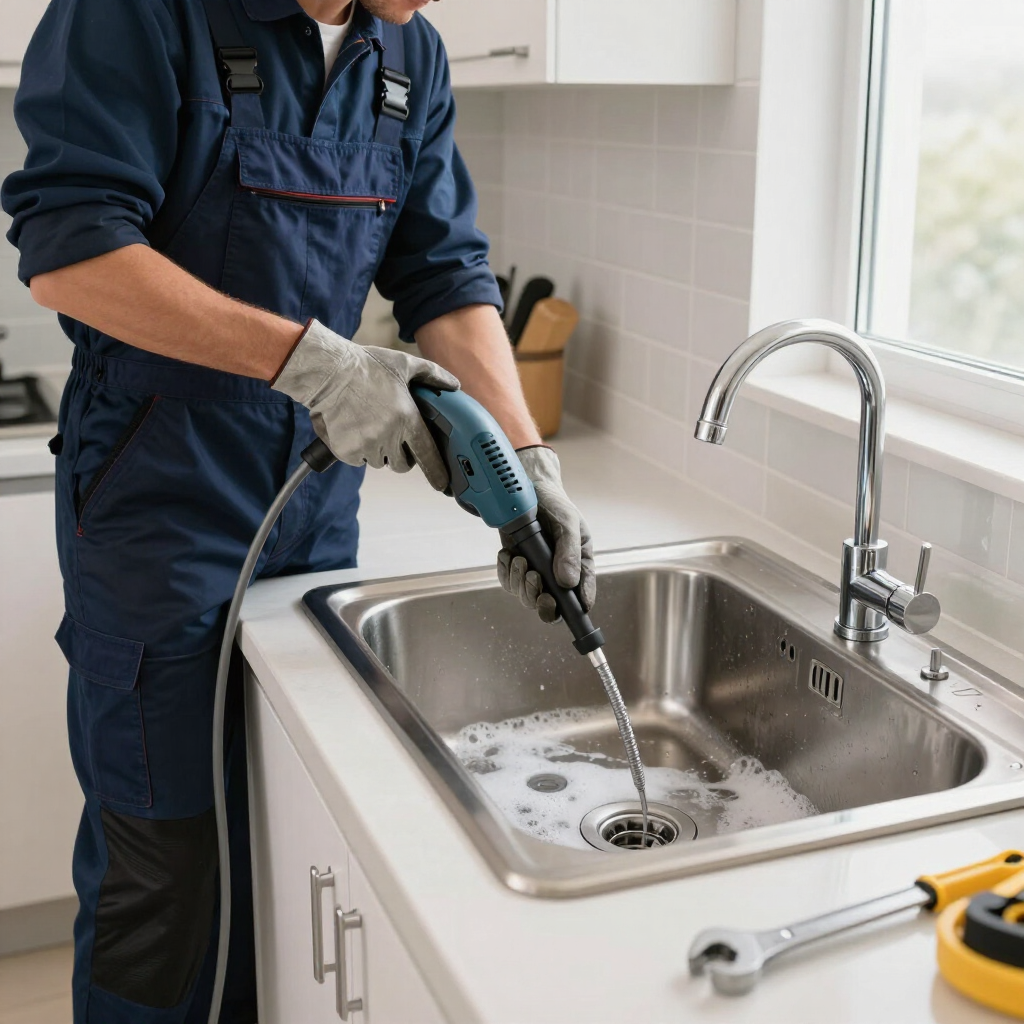
Think of the difference as opening a pathway versus cleaning the inside of the pipe.
A drain snake can be very effective for many types of blockages. However, recurring clogs may require further diagnosis to determine why the restriction continues returning.
Depending on the condition of the plumbing system, the next step may involve professional drain cleaning, hydro jetting, or a sewer camera inspection.
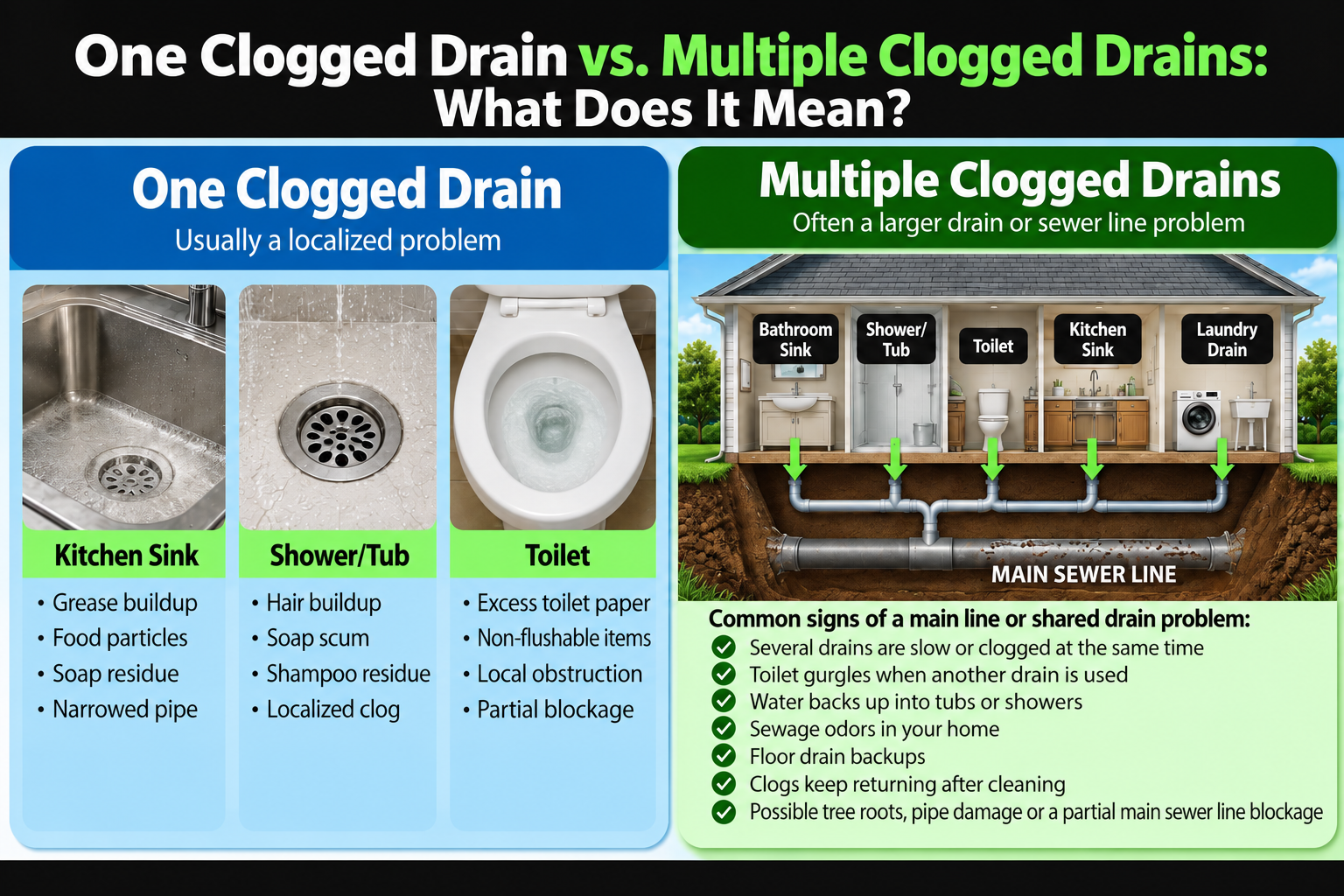
A single clogged drain often points toward a localized blockage. When several fixtures begin acting up together, the problem may involve a larger section of the drainage system.
A sewer camera inspection may be useful when a clog continues returning and the reason is not obvious.
A small camera can be inserted into the sewer line to help identify conditions inside the pipe.
A camera inspection may reveal:
- Tree root intrusion
- Heavy buildup
- Cracked sewer pipes
- Separated joints
- Bellied sewer lines
- Foreign objects
- Collapsed sections
- Other restrictions
You may want to investigate the line further when:
- The same drain repeatedly clogs
- Several drains are affected
- A main sewer line has clogged more than once
- Previous snaking only provided temporary relief
- Tree roots are suspected
- You are experiencing unexplained sewer backups
Finding the cause is important because different problems require different solutions.
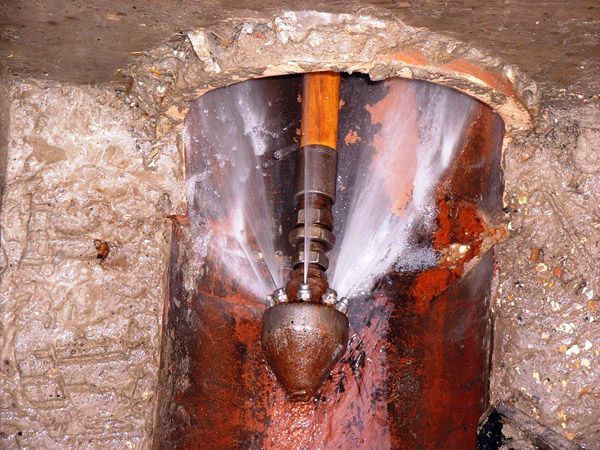
Hydro jetting uses high-pressure water to clean material from the inside of drain and sewer pipes.
Unlike simply creating a hole through a blockage, hydro jetting may help remove buildup along the pipe walls.
It can be useful for certain types of:
- Grease buildup
- Sludge
- Soap residue
- Mineral deposits
- Accumulated debris
- Some root-related obstructions
Hydro jetting is not automatically the right choice for every clogged drain.
The condition of the pipe matters, which is why diagnosis can be important before choosing a drain-cleaning method.
How Can Denver Homeowners Prevent Recurring Drain Clogs?
Not every clogged drain can be prevented, but good habits can reduce the chance of many common blockages.
Keep Grease Out of Kitchen Drains
Allow cooking grease and oil to cool and dispose of them instead of pouring them into the sink.
Use Drain Strainers
Drain strainers can help catch hair, food particles, and other debris before they enter the plumbing system.
Be Careful What You Flush
Toilet paper and human waste are generally what should be flushed.
Avoid flushing wipes, paper towels, hygiene products, and other materials.
Pay Attention to Slow Drains
A drain that gradually becomes slower may be developing buildup.
Addressing the problem before the drain becomes completely blocked may help prevent a larger backup.
Don't Ignore Repeated Clogs
If you keep clearing the same drain every few weeks or months, there may be an underlying problem that needs to be identified.
Repeatedly treating the symptom does not necessarily eliminate the cause.
Consider professional drain cleaning when a clog repeatedly returns or begins affecting multiple fixtures.
Warning signs that deserve attention include:
- The same drain continually clogs
- Several drains are slow
- Toilets frequently gurgle
- Water backs up into tubs or showers
- Drain snaking only provides temporary relief
- Sewage backs up into the home
- Sewer odors are present
- Tree roots are suspected
- The main sewer line has clogged more than once
The goal should not simply be to get the water moving again. The goal is to determine why the drain keeps clogging so the correct solution can be used.
Frequently Asked Questions About Recurring Drain Clogs in Denver, CO
Why does the same drain keep clogging?
The same drain may repeatedly clog because grease, hair, soap, scale, or other buildup remains inside the pipe. A recurring blockage can also indicate a deeper drain-line or sewer-line problem.
Why do my drains keep clogging even after using a drain snake?
A drain snake may create an opening through a blockage without completely cleaning buildup from the inside of the pipe. If the underlying material remains, another clog may develop.
Why are several drains clogged at the same time?
Multiple clogged or slow drains can indicate a blockage in a shared drain or the main sewer line rather than separate problems with each fixture.
Can tree roots cause recurring drain clogs?
Yes. Roots can enter damaged or separated sewer pipes and trap waste and debris. Because the roots remain inside the line, the blockage may continue returning until the root intrusion is addressed.
Why are several drains clogged at the same time?
Multiple clogged or slow drains can indicate a blockage in a shared drain or the main sewer line rather than separate problems with each fixture.
Is hydro jetting better than snaking?
They serve different purposes. Snaking can be effective for many localized blockages, while hydro jetting may be useful when significant buildup coats the inside of the pipe. The appropriate method depends on the type of clog and condition of the plumbing system.
How do I know if I have a main sewer line clog?
Possible warning signs include multiple slow drains, toilet gurgling, water backing up into tubs or showers, floor drain backups, and sewage odors.
Should recurring drain clogs be inspected with a camera?
A sewer camera inspection may help when clogs repeatedly return, several fixtures are affected, or there is concern about roots, pipe damage, or another hidden sewer-line problem.
Stop Treating the Same Clog Over and Over
If your drains keep clogging in Denver, CO, repeatedly plunging or snaking the line may only provide temporary relief.
Finding the actual cause can determine whether you need routine drain cleaning, hydro jetting, root removal, sewer camera inspection, or additional sewer-line repair.
Drain Brain LLC provides drain cleaning solutions for homeowners dealing with slow drains, stubborn clogs, and recurring drainage problems in Denver, CO.
If the same drain keeps clogging or several drains are beginning to back up, contact Drain Brain LLC at 720-322-4845 to have the problem evaluated and determine the appropriate next step.