Drano Not Working? 7 Reasons Your Drain Is Still Clogged & What to Do Next
If Drano isn't working, the drain clog may be too severe, too far down the pipe, or caused by something that chemical drain cleaners cannot dissolve.
Hair, grease, soap buildup, foreign objects, and even sewer line problems can and will prevent water from draining properly.
The safest next step depends on where the clog and blockage are located and whether chemicals are still sitting in the drain.
You have probably been there. The bathroom sink starts draining a little slower than usual. Then the toilet slows on flush. You ignore it for a few days, hoping the problem will go away.
Eventually, the water barely moves, so you pick up a bottle of Drano at the store. You follow the directions, give it time to work, and wait for that satisfying moment when the water finally disappears.
Except it doesn't.
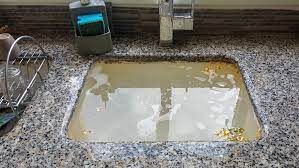
Now you're standing there looking at a sink full of dirty water, wondering whether to try another bottle or call someone who knows what they're doing.
The truth is, Drano doesn't work on every type of clog, and understanding why it failed can save you time, frustration, and potentially an expensive plumbing problem.
At Drain Brain LLC, we help homeowners throughout Denver, Colorado, and surrounding communities identify stubborn drain blockages and determine the right way to clear them.
Before trying another chemical drain cleaner, let's look at what might really be happening inside your pipes.
Why Is Drano Not Working on My Clogged Drain?
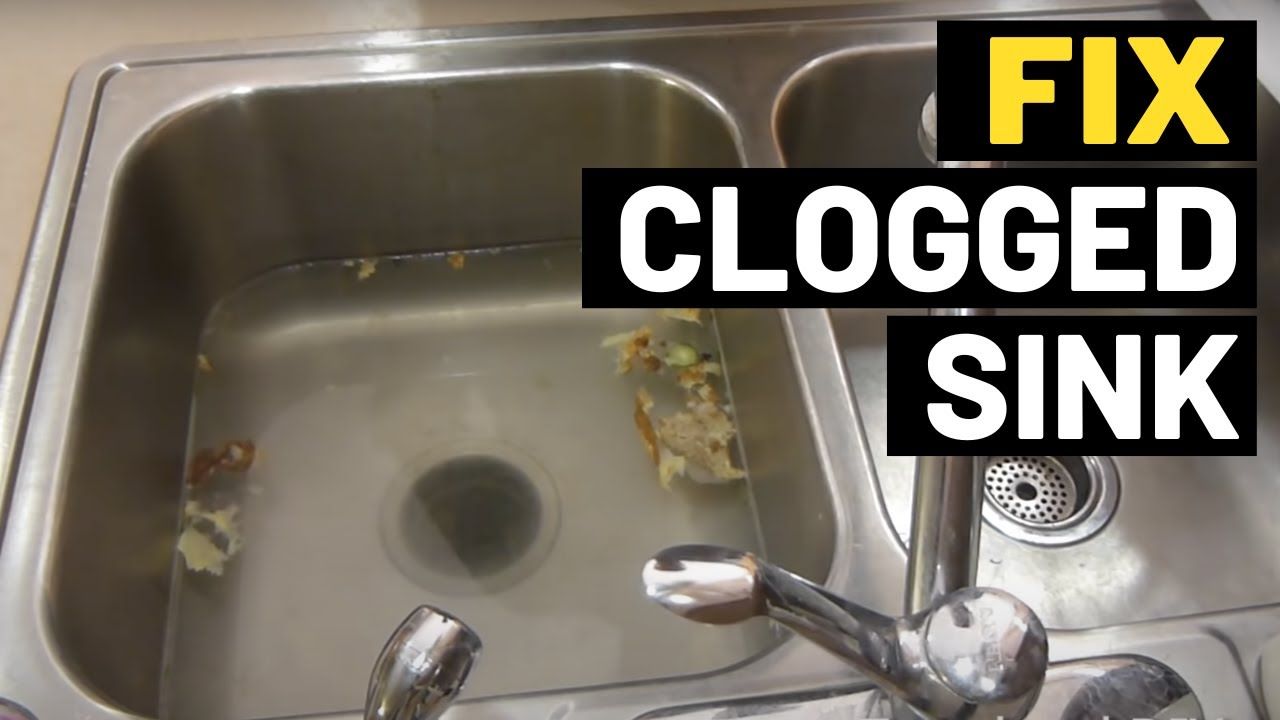
Drano is designed to break down certain types of organic buildup, including hair, soap residue, and other material commonly found in household drains. But not every clog is made of something chemicals can dissolve.
Some clogs form gradually as debris collects inside the pipe. Others result from a solid obstruction, a damaged drain line, or a blockage much farther away than you might expect.
That's why a chemical cleaner might make a drain flow a little better without actually eliminating the underlying problem.
The important question isn't always why Drano failed. It's what caused the clog in the first place.
1. The Clog Is Too Thick or Compacted
A very small amount of hair or soap buildup may respond to chemical drain cleaners, but a thick, tightly packed obstruction can be a different story. Over time, hair, toothpaste, grease, soap residue, and other debris can stick together and create a stubborn packed blockage.
Think about a bathroom drain that hasn't been cleaned in many years. What started as a few strands of hair may now be a ton of material restricting nearly the entire pipe.
Drano may break down part of that buildup without removing enough to restore normal water flow.
What to do: If the drain remains blocked after following the product's instructions, stop adding chemicals. Professional drain cleaning equipment can often remove stubborn buildup more effectively.
2. Grease and Food Waste Are Blocking Your Kitchen Sink
Kitchen sinks take a beating.
Between washing dishes, rinsing pans, and cleaning up after meals, it's easy for grease and food particles to make their way into the drain.
Even small amounts of cooking grease can collect along the inside of a pipe. As the food buildup grows, food particles and other food and larger food particles become trapped, making the opening smaller and smaller.
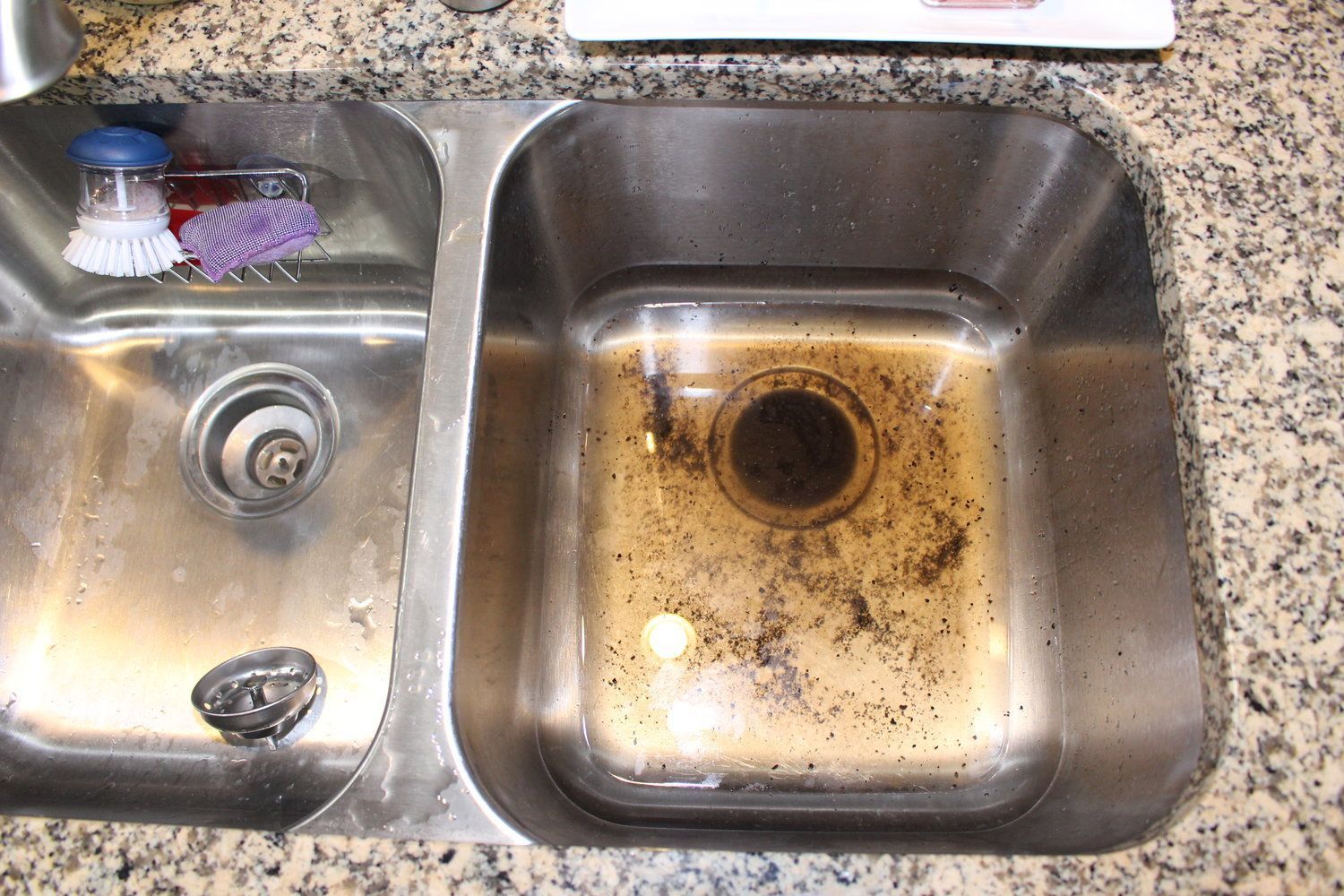
Eventually, you notice the familiar symptoms: slow drainage, unpleasant stinky odors, or water backing up into the sink. A chemical cleaner may loosen some food particles, but a substantial grease blockage may require mechanical cleaning.
What to do: Avoid pouring additional grease or oil into the drain. If the sink keeps backing up, the line may need professional cleaning.
3. The Blockage Is Too Far Down the Drain Line
Not every drain clog is located directly beneath the sink or bathtub.
Sometimes the blockage develops farther down a branch drain or in a line shared by multiple plumbing fixtures.
This can be particularly confusing because the problem may seem to come and go.
Your sink drains slowly one day, appears normal the next, and then backs up again when someone runs the washing machine. If multiple fixtures are affected, the issue may extend beyond a single sink or shower.
What to do: Watch for slow drainage in more than one fixture, bubbling sounds, or wastewater backing up somewhere else in the house. These are reasons to have the drainage system evaluated.
4. Hair and Soap Scum Have Created a Stubborn Shower Clog
Few things are more annoying than standing in ankle-deep water while taking a shower.
Hair and soap scum are among the most common causes of slow shower and bathtub drains.
As hair collects around the drain opening and farther inside the piping, soap residue can bind everything together.
This creates a tangled obstruction that may resist chemical cleaning.
Sometimes the easiest solution is to physically remove the hair from the drain opening or stopper assembly.
However, that's not something you should attempt while chemical drain cleaner may still be present.
What to do: If you've already used Drano and the drain remains clogged, don't reach into the drain or attempt to snake it yourself while toxix chemicals may be inside. Let a professional drain cleaner know what product you used.
5. Something Other Than Organic Buildup Is Stuck in the Pipe
Sometimes the problem has nothing to do with hair, grease, or soap.
Small toys, jewelry, plastic pieces, cleaning materials, and other foreign objects can accidentally find their way into household drains.
A chemical cleaner isn't going to dissolve a plastic bottle cap or a small toy lodged in the pipe.
And repeatedly pouring chemicals into the drain won't move a solid obstruction.
In some cases, the object can create a place for additional debris to accumulate, making the blockage worse over time.
What to do: If you suspect something solid went down the drain, explain what happened when scheduling drain cleaning. Identifying the object can help the technician choose the appropriate removal method.
6. Your Drain Pipe Is Damaged, Misaligned, or Sagging
Here's something many homeowners don't realize: sometimes a clogged drain isn't really a cleaning problem.
It's a pipe problem.
A drain line can become damaged, develop a low spot, or shift out of alignment. These conditions may allow wastewater and debris to collect rather than flow freely through the pipe.
For example, a sewer line belly is a sagging section of pipe where wastewater can accumulate.
You might clear the blockage temporarily, only to have the same drain clog again a few weeks later.
That's frustrating, especially when you've already spent money trying different solutions.
What to do: Recurring clogs in the same line may justify a professional sewer camera inspection to look for structural problems.
7. The Problem Is Actually in Your Main Sewer Line
This is the possibility no homeowner wants to hear, but it's important to recognize. If several drains throughout your home are backing up, the problem may involve the main sewer line rather than an individual fixture.
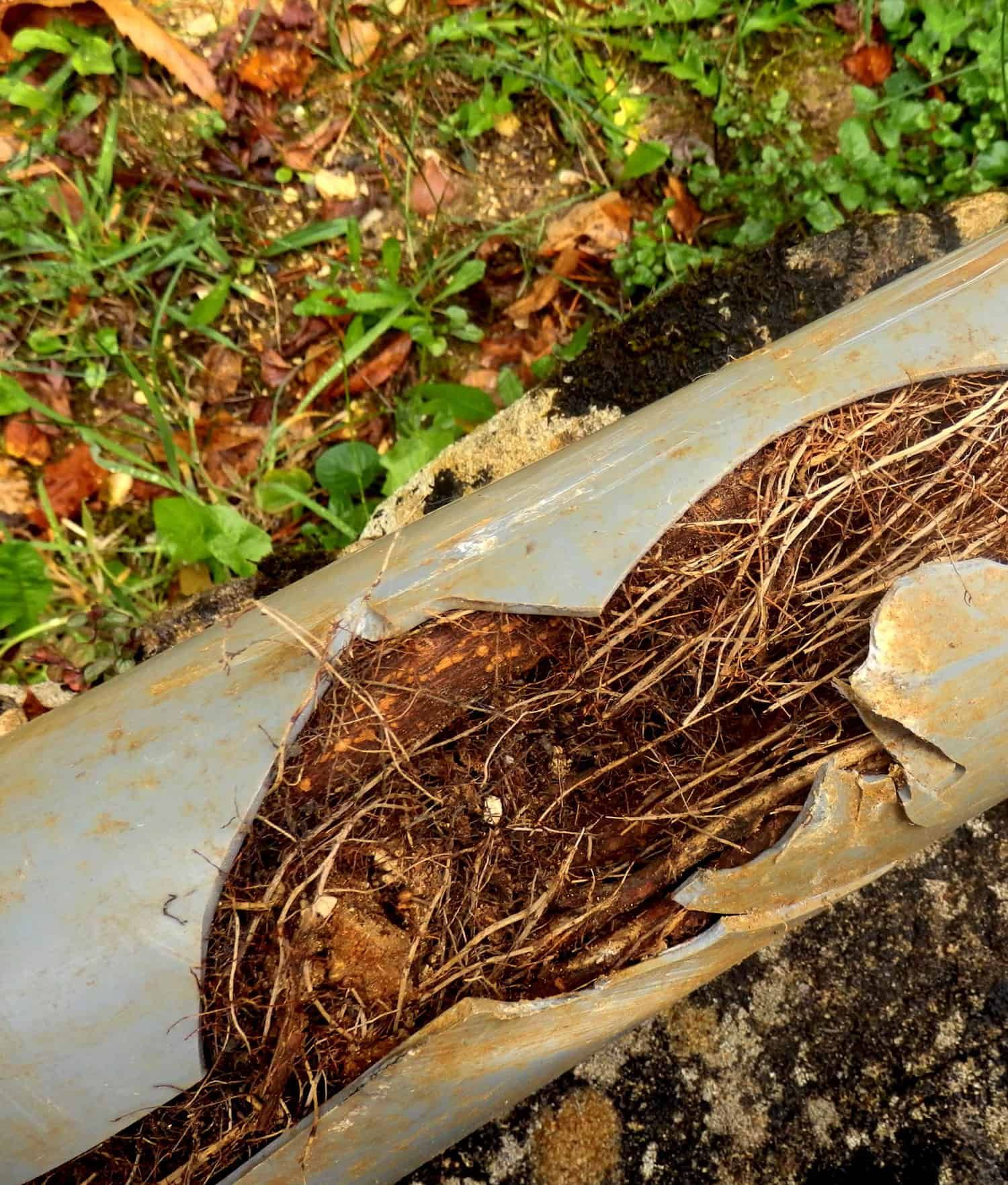
Tree roots, heavy debris buildup, damaged piping, and other obstructions can interfere with wastewater leaving your property.
Drano poured into a bathroom sink cannot be relied upon to resolve those kinds of problems.
Some warning signs of a possible main sewer line blockage include:
- Multiple drains becoming slow or clogged around the same time
- Gurgling noises from toilets or drains
- Water backing up in a basement floor drain
- Wastewater appearing in a shower when another fixture is used
- Repeated clogs after previous drain cleaning
What to do: Stop using affected plumbing fixtures if sewage is backing up. A sewer inspection can help locate the obstruction and determine whether cleaning or repair is necessary.
What Should You Do When Drano Doesn't Work?
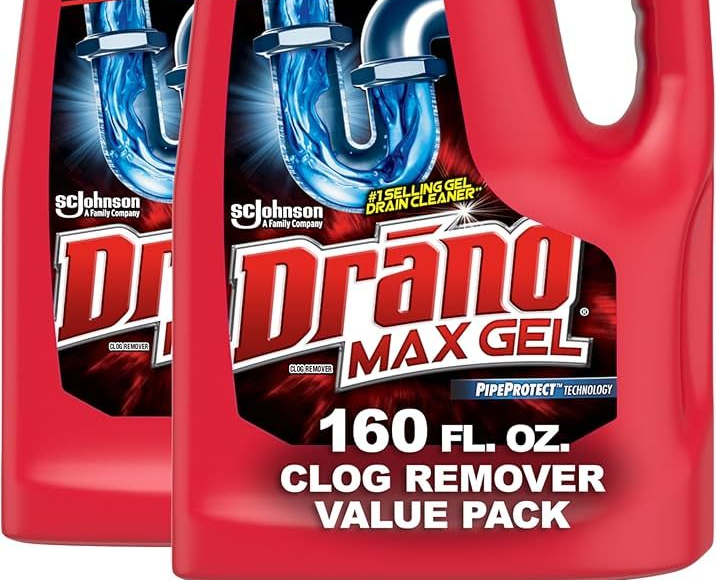
If you've already used Drano and your drain is still clogged, the most important thing is not to make the situation more dangerous.
It's tempting to pour in another product, grab a plunger, or try a homemade solution.
However, the cleaner may still be inside the pipe, even when you cannot see it.
Here are the safest next steps:
Step 1: Stop adding drain cleaning chemicals.
Never combine Drano with bleach, vinegar, ammonia, another drain cleaner, or other household chemicals. Certain combinations can produce hazardous reactions or fumes.
Step 2: Follow the product's safety instructions.
Check the exact product label for what to do if the drain remains blocked. Keep children and pets away from the affected area.
Step 3: Do not plunge or mechanically open a chemically treated drain.
Drano warns against using a plunger during or after treatment because the chemical may still be present. Avoid removing the trap or inserting a drain snake while chemical exposure is possible.
Step 4: Check whether other drains are affected.
Without running additional water into a backed-up fixture, consider whether you've noticed slow drainage, unusual noises, or backups elsewhere in your home.
Step 5: Contact a professional if the blockage remains.
Tell the technician which drain cleaner you used, how much you applied, and approximately when you used it. That information helps them take appropriate precautions.
Sometimes the right solution isn't another bottle of chemicals. It's finding and removing the obstruction.
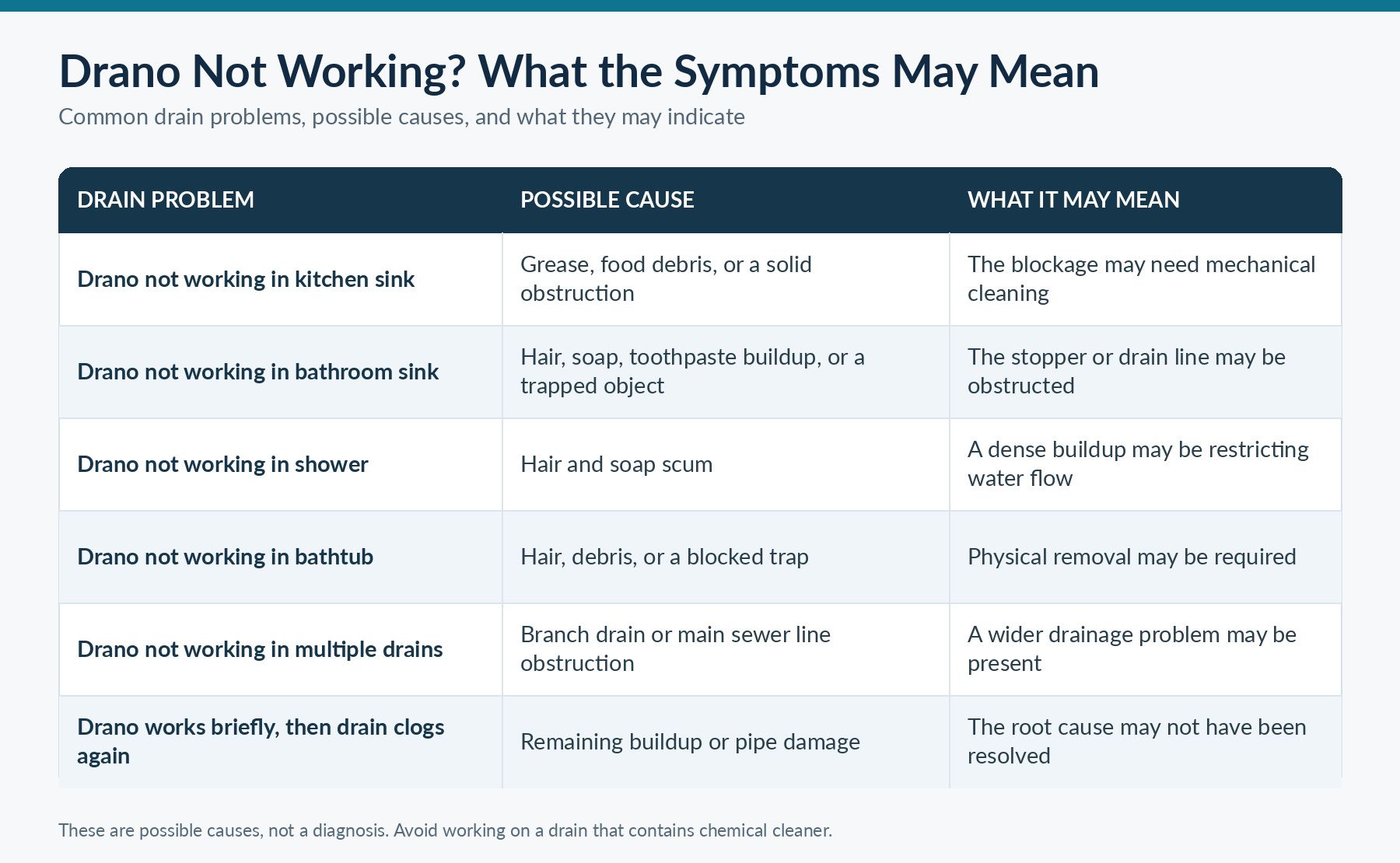
Drano Not Working in the Sink, Shower, or Bathtub? What the Symptoms May Mean
Can You Use Drano Again if the First Treatment Failed?
Some Drano products permit a repeat application according to their label instructions. However, that doesn't mean repeated treatments are the best solution for every blockage.
If you've followed the directions and the water still isn't draining, it's worth considering whether the product can actually reach or dissolve the material causing the obstruction.
Drano is designed for particular types of drain buildup, not every plumbing problem.
It also isn't an appropriate solution for an obstructed main sewer line, a damaged pipe, or a foreign object lodged in the plumbing.
Our advice: Don't keep adding chemicals to a drain that isn't responding. Review the manufacturer's instructions and consider having the blockage professionally identified.
And remember, standard Drano clog removers are not intended for use in toilets.
When Does a Clogged Drain Mean a Bigger Sewer Line Problem?
Some Drano products permit a repeat application according to their label instructions. However, that doesn't mean repeated treatments are the best solution for every blockage.
If you've followed the directions and the water still isn't draining, it's worth considering whether the product can actually reach or dissolve the material causing the obstruction.
Drano is designed for particular types of drain buildup, not every plumbing problem.
It also isn't an appropriate solution for an obstructed main sewer line, a damaged pipe, or a foreign object lodged in the plumbing.
Our advice: Don't keep adding chemicals to a drain that isn't responding. Review the manufacturer's instructions and consider having the blockage professionally identified.
And remember, standard Drano clog removers are not intended for use in toilets.
One clogged bathroom sink usually points toward a localized obstruction.
But when several drains begin acting up, the situation deserves more attention. Imagine you're doing laundry when you hear the toilet gurgling.
A few minutes later, you notice water appearing in the basement floor drain.
That's not something you should ignore.
Water from different fixtures may share underground drain piping. When a downstream line becomes blocked, wastewater can back up through another fixture. For Denver-area homeowners, tree roots, accumulated debris, aging sewer piping, and pipe damage are among the potential causes that may need investigation.
A professional sewer camera inspection can help identify the location and condition of an accessible sewer line.
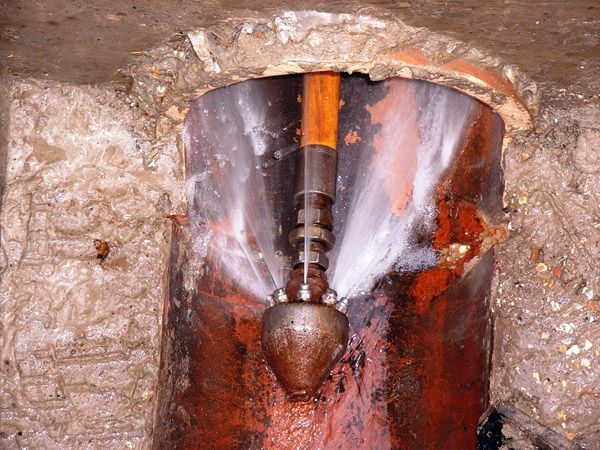
Once the actual problem is known, the technician can determine whether drain snaking, hydro jetting, or sewer repair is appropriate.
There's nothing wrong with wanting to solve a small household problem yourself. Most homeowners would rather spend a few dollars at the hardware store than schedule a service appointment.
But there comes a point when continuing to experiment with a stubborn drain can waste more time and money than it saves.
Consider professional drain cleaning when:
- Drano hasn't cleared the blockage after use according to the label
- Water remains standing in your sink, shower, or bathtub
- The same drain keeps clogging
- Multiple plumbing fixtures are draining slowly
- You notice wastewater backing up in another fixture
- You suspect a damaged drain or sewer line
Drain Brain LLC provides professional drain cleaning, sewer camera inspections, and sewer repair services in Denver, Lakewood,Thornton, and surrounding Denver area.
Rather than guessing at what might be causing the blockage, professional equipment can help identify and address the problem.
Frequently Asked Questions About Drano Not Working
Why is my drain still clogged after using Drano?
Your drain may still be clogged because the blockage is too dense, contains material that chemical cleaners cannot dissolve, or is located farther down the pipe. A damaged drain line or main sewer obstruction can also cause persistent backups.
What should I do if Drano isn't working and there's standing water?
Stop adding chemicals, keep people and pets away from the affected drain, and follow the product's safety instructions. Don't plunge, snake, or disconnect the drain while chemical cleaner may still be present. Contact a professional if the blockage remains.
Does Drano work on hair clogs?
Drano products are formulated to break down hair and certain types of organic buildup. However, a large or tightly compacted hair blockage may not completely dissolve, leaving the drain slow or clogged.
Why did Drano work temporarily and then stop?
The cleaner may have removed only part of the buildup. Grease, hair, or debris left behind can collect additional material and cause the drain to slow again. Repeated clogs may also indicate an underlying pipe problem.
Can Drano unclog a main sewer line?
Drano is not designed to clear major main sewer line obstructions such as tree roots, collapsed piping, or substantial debris buildup. Professional sewer cleaning and inspection may be needed to determine what's causing the problem.
Title or Question
Describe the item or answer the question so that site visitors who are interested get more information. You can emphasize this text with bullets, italics or bold, and add links.Is Drano safe for older pipes?
The manufacturer states that its clog removers are compatible with common metal and plastic plumbing when used as directed. However, chemical compatibility does not mean an aging, leaking, corroded, or damaged drain line is structurally sound. Repeated blockages in older plumbing deserve proper investigation.
When should I call a plumber if Drano doesn't work?
Contact a qualified drain professional when the blockage persists, water repeatedly backs up, or more than one drain is affected. Be sure to explain that you've used a chemical drain cleaner so the technician can work safely.
Drano Didn't Work? Let Drain Brain LLC Find the Real Problem
You tried to solve the problem yourself. You bought the cleaner, followed the directions, and hoped your drain would finally start flowing again.
Unfortunately, not every clog has a quick fix.
And sometimes, what looks like a simple sink or shower blockage is a warning sign of something happening deeper inside your plumbing system.
At Drain Brain LLC, we believe the best way to solve a stubborn drain problem is to understand what's causing it.
Our team provides professional drain cleaning, sewer line inspections, and sewer repair services for homeowners and businesses throughout the Denver metro area.
Whether you're dealing with a kitchen sink that won't drain, a shower that keeps backing up, or a recurring sewer line problem, we're here to help you find the right solution.
Still dealing with a clogged drain after using Drano?
Call Drain Brain LLC at (720) 322-4845 or contact our drain specialists to discuss your drain cleaning needs in Denver, CO, and surrounding communities.