Tree Root Removal From Sewer Lines in Denver, CO: Signs, Costs & Repair Options
Tree root removal from sewer lines in Denver, CO, involves clearing roots that have entered the sewer pipe through cracks, loose joints, or damaged sections of the line. Depending on the severity of the intrusion.
Drain Brain LLC may use mechanical root cutting, hydro jetting, sewer camera inspection, or sewer repair to restore proper flow and address the underlying problem.
Tree roots can create some of the most persistent sewer problems a homeowner experiences. A sewer line may work normally for years before roots find a small opening in the pipe and begin growing inside.
At first, the problem may cause only occasional slow drains. As the roots continue growing, they can trap grease, paper, waste, and debris until the sewer line becomes partially or completely blocked.
Removing the roots may restore drainage, but homeowners also need to determine why the roots entered the sewer pipe in the first place.
How Do Tree Roots Get Into Sewer Lines?
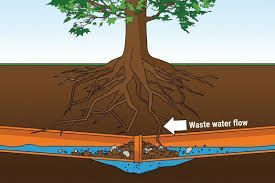
Tree roots usually enter sewer lines through existing cracks, loose pipe joints, damaged connections, or deteriorated sections of the sewer pipe.
Roots naturally grow toward sources of moisture and nutrients. A small amount of moisture escaping from a damaged sewer line can attract nearby roots.
Once a small root enters the pipe, it can continue growing inside the sewer line.
Common entry points include:
- Cracked sewer pipes
- Separated pipe joints
- Aging clay sewer lines
- Damaged pipe connections
- Deteriorated sewer laterals
- Small structural openings in the pipe
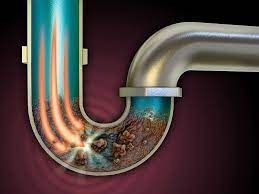
As roots grow, they can form a dense mass inside the sewer line. Waste and debris begin catching on the roots, which can eventually restrict or completely block wastewater flow.
Homeowners dealing with repeated root intrusion may need more than drain cleaning. If the pipe itself is damaged, sewer line repair in Denver may be necessary to address the opening that allowed the roots inside.
What Are the Signs of Tree Roots in a Sewer Line?
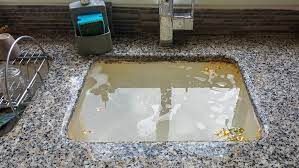
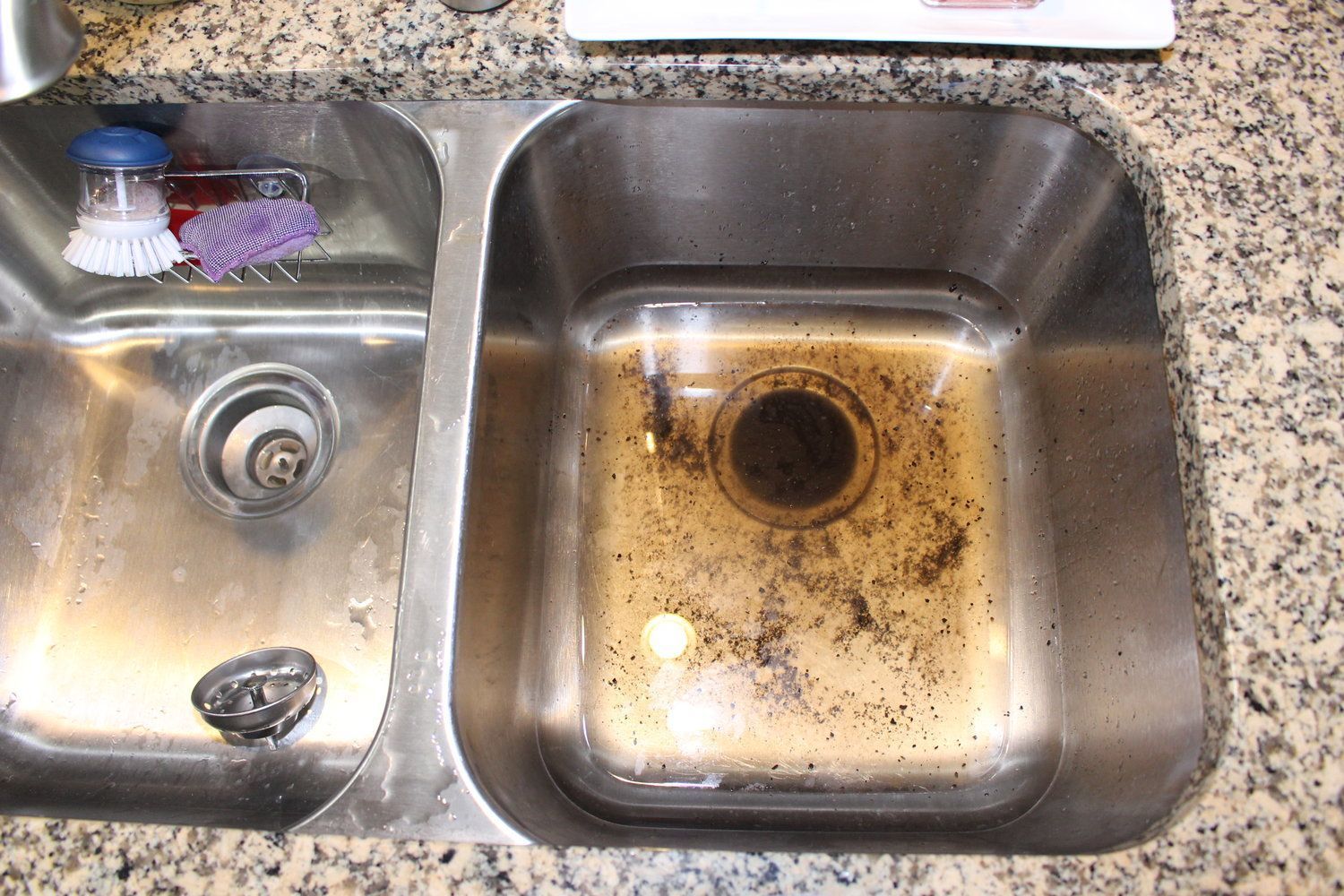
Common signs of tree roots in a sewer line include recurring drain clogs, multiple slow drains, gurgling toilets, sewage odors, and wastewater backing up into tubs, showers, or floor drains.
Root intrusion often develops gradually.
One slow sink usually does not automatically mean tree roots are in the sewer line. But when several fixtures begin having drainage problems at the same time, the main sewer line may be involved.
Watch for these warning signs:
- Several drains becoming slow at the same time
- Toilets gurgling after another fixture drains
- Recurring sewer backups
- Water backing up into a bathtub or shower
- Sewage coming through a floor drain
- Unexplained sewer odors
- Drain problems that return after previous cleaning
- Toilets that repeatedly clog without an obvious cause
A particularly important warning sign is a clog that keeps coming back.
If a sewer line is cleaned and the blockage returns, there may be an underlying structural problem such as tree roots, pipe damage, or a separated joint.
Drain Brain LLC can evaluate recurring sewer problems and determine whether clogged drain cleaning, sewer inspection, or sewer repair is the appropriate next step.
How Are Tree Roots Removed From Sewer Lines?
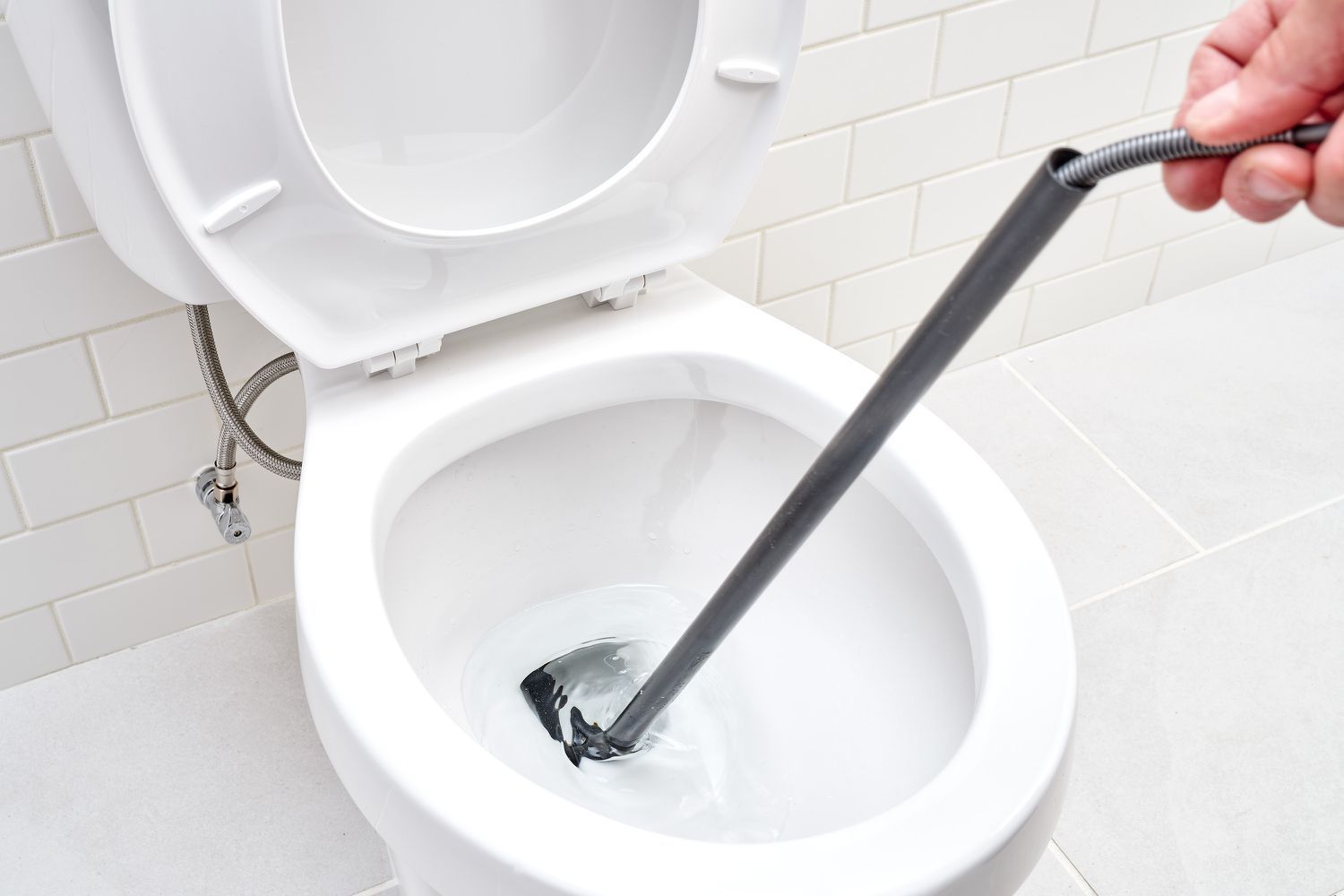
Tree roots can be removed from sewer lines using mechanical root-cutting equipment, hydro jetting, or a combination of methods depending on the pipe condition and severity of the blockage.
The correct approach depends on what is happening inside the sewer line.
Mechanical Root Cutting
Mechanical root-cutting equipment uses specialized blades or cutting heads that travel through the sewer line and cut through root masses.
This method can reopen a blocked sewer line and restore wastewater flow.
However, cutting the roots does not necessarily repair the pipe.
If the crack or failed joint remains, roots may eventually grow back.
Hydro Jetting
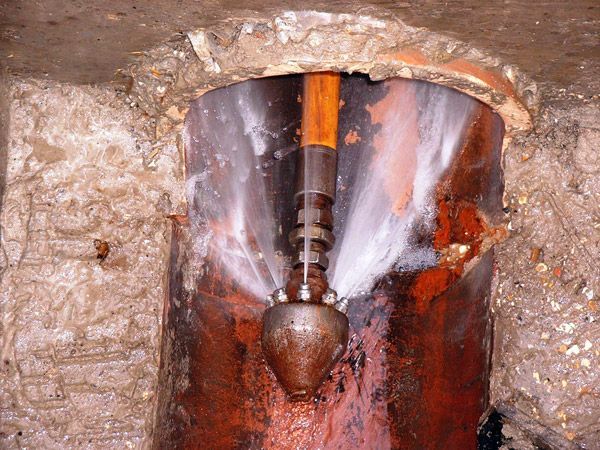
Hydro jetting uses high-pressure water to clean the inside of drain and sewer lines.
After larger roots are removed, hydro jetting may help clear:
- Smaller root material
- Grease
- Sludge
- Scale
- Debris
- Buildup attached to the pipe walls
The condition of the sewer line should be considered before hydro jetting is performed.
Older or damaged sewer pipes may require inspection first.
A sewer camera inspection allows the inside of the sewer line to be viewed directly.
This can help identify:
- Where the roots entered
- Cracks in the sewer pipe
- Separated joints
- Collapsed sections
- Remaining root growth
- Deteriorated pipe
- Other obstructions
This is an important part of diagnosing recurring root problems.
Clearing the roots restores flow. A sewer camera inspection helps determine whether the sewer pipe itself also needs repair.
The cost of tree root removal from a sewer line in Denver depends on the amount of root growth, the location of the blockage, sewer access, the cleaning method required, and whether the pipe also needs repair.
There is not one price that applies to every root intrusion problem.
A relatively accessible root blockage may require less work than a sewer line with extensive roots and structural damage.
Factors that can affect the cost include:
- Severity of the root intrusion
- Distance to the blockage
- Sewer line length
- Access through an existing cleanout
- Type of sewer pipe
- Mechanical root-cutting requirements
- Hydro jetting requirements
- Sewer camera inspection
- Depth of the sewer line
- Pipe cracks or separated joints
- Collapsed sewer pipe
- Excavation requirements
- Trenchless sewer repair requirements
The largest cost difference usually comes down to whether the problem is simply a blockage or whether there is actual sewer pipe damage.
If the roots can be removed and the pipe remains structurally sound, repair may not be necessary.
If the pipe is cracked, separated, deteriorated, or collapsed, additional sewer line repair may be needed.
Yes. Tree roots can grow back after sewer line cleaning if the crack, joint, or damaged section of pipe that allowed the roots inside is not repaired.
This is one of the most important things homeowners should understand about root removal.
Cutting roots out of a sewer line can restore flow, but it does not automatically eliminate the source of the problem.
If roots entered through a damaged joint, they can begin growing back through that same opening.
How quickly the problem returns depends on:
- Size of the opening
- Type of surrounding vegetation
- Amount of moisture around the pipe
- Condition of the sewer line
- Severity of the original root intrusion
Repeated root removal may indicate that the sewer line needs further evaluation.
A sewer camera inspection can help determine whether a repair could prevent continuing root intrusion.
When Does a Root-Damaged Sewer Line Need Repair or Replacement?
A root-damaged sewer line may need repair or replacement when camera inspection reveals cracks, separated joints, pipe deterioration, collapse, or repeated root intrusion that cannot be permanently corrected through cleaning alone.
Finding roots does not automatically mean the entire sewer line has to be replaced.
Some lines remain structurally sound after the roots are removed.
Root Removal May Be Enough When:
- Root growth is limited
- The pipe remains structurally sound
- There is no major crack
- Pipe joints remain properly connected
- The sewer continues flowing normally after cleaning
Sewer Repair May Be Needed When:
- Roots repeatedly return
- A crack is visible
- Pipe joints have separated
- Part of the sewer line has collapsed
- Significant deterioration is present
- Wastewater is leaking into surrounding soil
- The line cannot maintain reliable flow
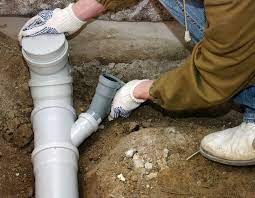
Repair options can vary depending on the location and condition of the damaged section.
Possible solutions may include:
- Spot sewer repair
- Traditional excavation
- Pipe replacement
- Trenchless sewer repair when appropriate
Drain Brain LLC can evaluate the sewer line and determine whether cleaning alone is sufficient or whether Denver sewer & drain repair should be considered.
How Can Denver Homeowners Prevent Future Tree Root Sewer Problems?
The best way to reduce recurring tree root sewer problems is to identify and repair the pipe opening that allows roots to enter.
Homeowners should pay particular attention to sewer problems that repeatedly return.
Preventive steps can include:
- Investigating recurring sewer backups
- Scheduling sewer camera inspection when root intrusion is suspected
- Repairing damaged sewer pipe sections
- Addressing separated joints
- Monitoring older sewer laterals
- Keeping records of previous root problems
- Having repeat drainage problems evaluated instead of repeatedly treating only the clog
A sewer line that repeatedly requires cleaning may be signaling a larger issue.
Finding the cause early can help homeowners make a more informed decision before the sewer line becomes completely blocked or more extensively damaged.
Tree Root Removal From Sewer Line-FAQ's
Can tree roots really grow inside a sewer line?
Yes. Tree roots can enter sewer lines through cracks, separated joints, or damaged pipe sections. Once inside, the roots can continue growing and collect waste and debris, eventually restricting sewer flow.
What is the best way to remove tree roots from a sewer line?
The appropriate method depends on the severity of the root intrusion and the condition of the pipe. Mechanical root cutting and hydro jetting are commonly used, while sewer camera inspection helps determine whether structural pipe damage is also present.
Does hydro jetting remove tree roots?
Hydro jetting can help remove smaller root material and clean debris from sewer pipe walls, but heavy root masses may require mechanical cutting first. The sewer line should also be evaluated for cracks or damage that allowed the roots inside.
Will tree roots come back after they are removed?
Tree roots can grow back if the opening that allowed them into the sewer line is still present. Repairing cracks, separated joints, or damaged pipe sections may be necessary to prevent recurring root intrusion.
Do tree roots in a sewer line mean the pipe needs to be replaced?
Not always. Some sewer lines remain structurally sound after root removal. Replacement or repair is more likely when the pipe is cracked, collapsed, severely deteriorated, or experiencing repeated root intrusion.
How do you know if tree roots are causing a sewer backup?
Recurring main sewer backups, multiple slow drains, gurgling toilets, and wastewater backing up into tubs or floor drains can indicate a sewer-line problem. A sewer camera inspection can confirm whether tree roots are present.
Should a sewer camera inspection be done after tree root removal?
A sewer camera inspection can be valuable after root removal because it allows the pipe to be checked for cracks, separated joints, remaining roots, collapse, or other structural problems that may cause the blockage to return.
Need Tree Root Removal or Sewer Line Repair in Denver?
If tree roots are causing recurring sewer backups, slow drains, or main-line problems, Drain Brain LLC can inspect the sewer line, identify the cause of the blockage, and determine the appropriate next step.
From tree root removal and hydro jetting to sewer camera inspection and sewer line repair in Denver, Drain Brain LLC can help restore proper drainage and identify damage that may be causing repeated sewer problems.
Contact Drain Brain LLC todayat 720-322-4845 to schedule sewer and drain service in Denver, CO.