Sewer Cleanout vs Drain Cleanout: What’s the Difference and Which Do You Need?
If you’re dealing with slow drains, backups, or recurring clogs, you may hear a plumber mention a sewer cleanout or a drain cleanout.
While they sound similar, they serve very different purposes in your plumbing system. Understanding the difference between a sewer cleanout vs drain cleanout can help you identify the problem faster and avoid unnecessary damage or repairs.
This sewer and drain cleanout guide is written for homeowners who want clear, practical answers—not technical jargon.
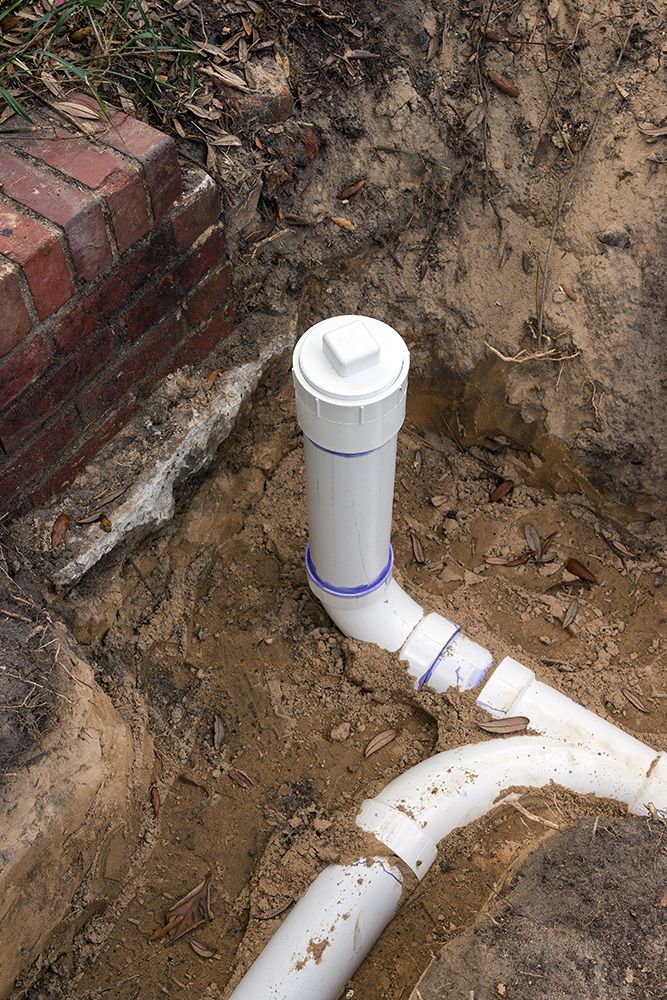
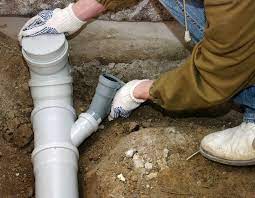
A plumbing cleanout is an access point that allows plumbers to enter your plumbing system to clear blockages, inspect pipes, or perform maintenance.
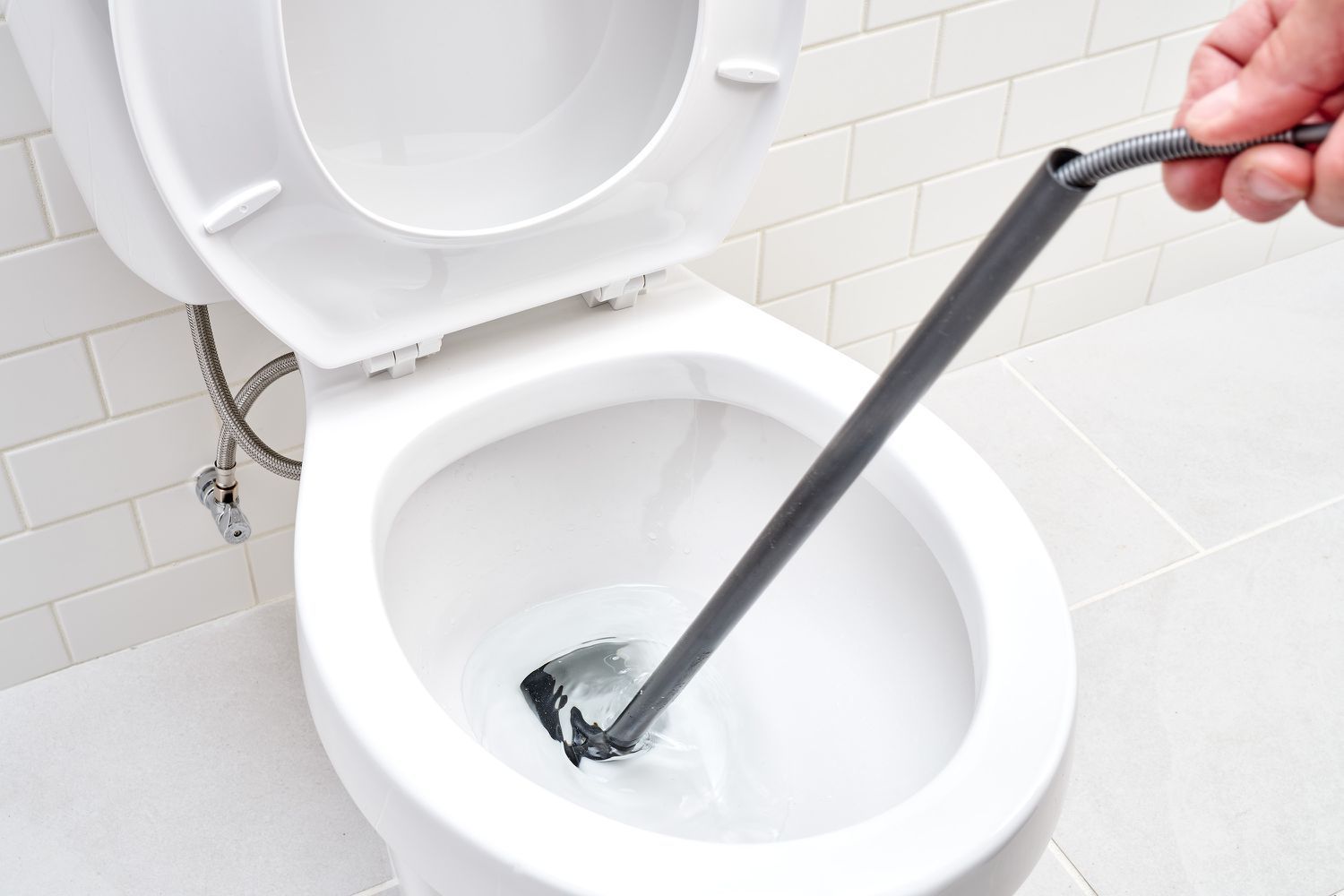
Cleanouts are designed to provide a safe, efficient way to remove clogs without cutting into pipes or tearing into walls.
There are two main types:
- Sewer cleanouts, which access the main sewer line
- Drain cleanouts, which access individual household drains
Knowing which one applies to your situation is critical.
A sewer cleanout provides direct access to your home’s main sewer line—the pipe that carries wastewater from your entire house to the municipal sewer system.
Key characteristics of a sewer cleanout:
- Typically located outside the home, near the foundation or property line
- Handles all wastewater from sinks, toilets, showers, and appliances
- Used when there are system-wide plumbing issues
Common signs you need a sewer cleanout:
- Multiple drains backing up at the same time
- Toilets bubbling when sinks or tubs drain
- Sewage odors inside or outside the home
- Water backing up in the lowest drain (often a basement floor drain)
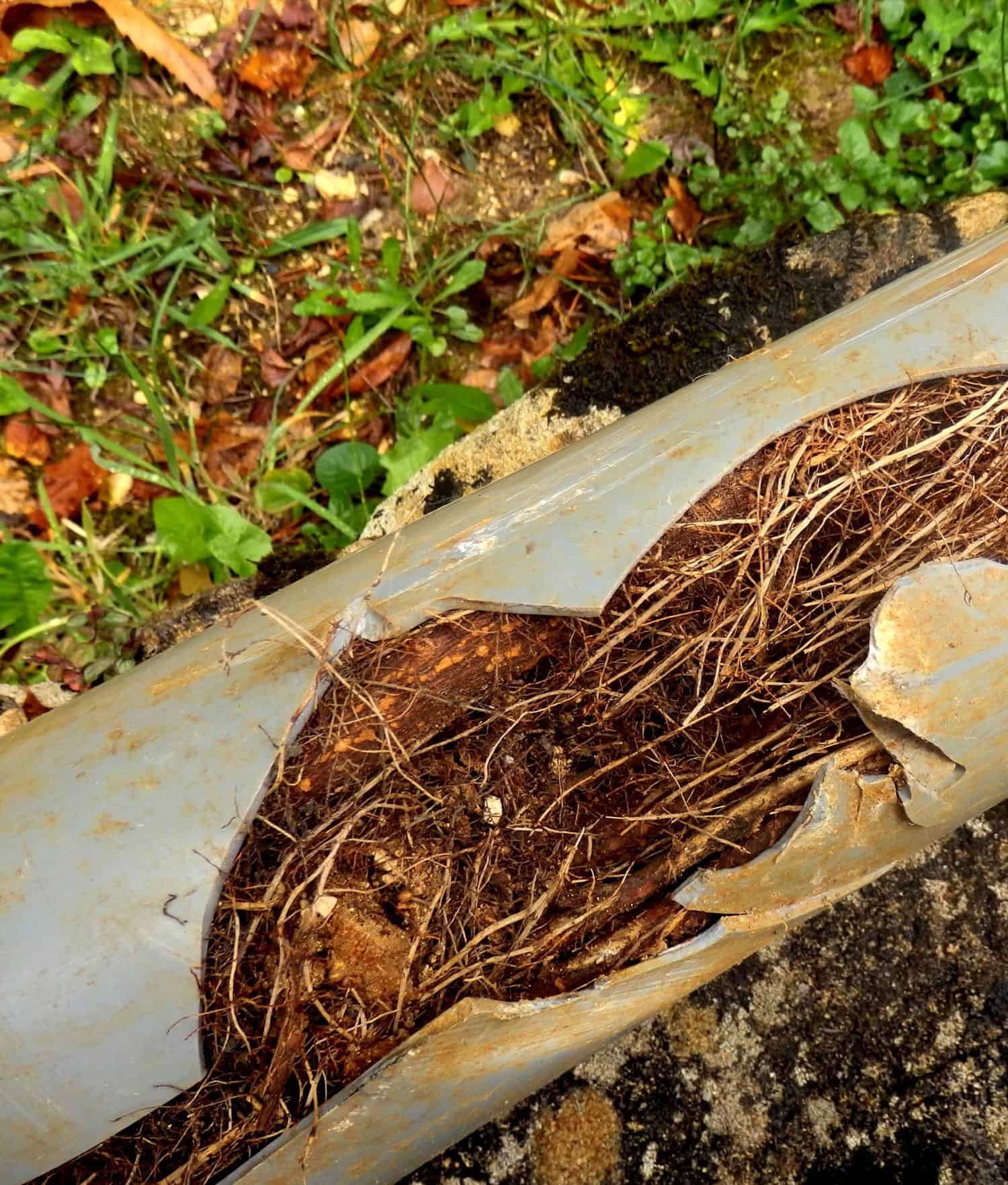
In Denver, CO, sewer cleanouts are especially important due to older homes, tree root intrusion, and shifting soil conditions that can affect main sewer lines.
A drain cleanout provides access to a single drain line, such as a kitchen sink, bathroom sink, shower, or laundry drain.
Key characteristics of a drain cleanout:
- Usually located inside the home (under sinks, behind access panels, or in utility rooms)
- Serves one fixture or one branch line
- Used for localized clogs
Common signs you need a drain cleanout:
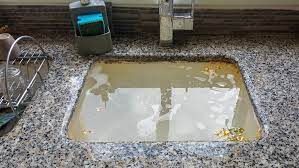
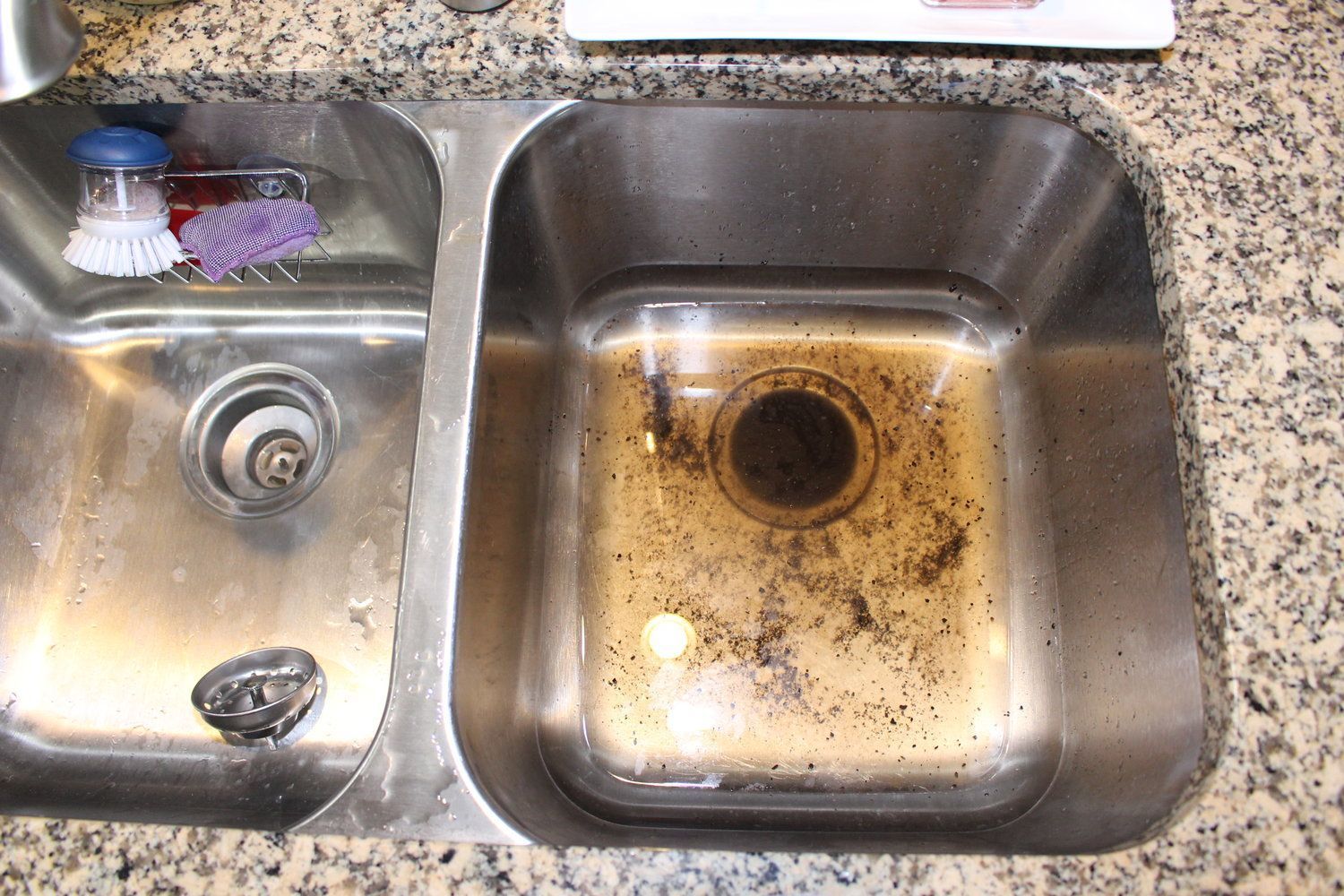
- One sink or tub draining slowly
- A clog isolated to one bathroom or appliance
- Gurgling sounds from a single drain
- No sewage smells or backups elsewhere in the house
Drain cleanouts are ideal for everyday clogs caused by grease, hair, soap buildup, or debris.
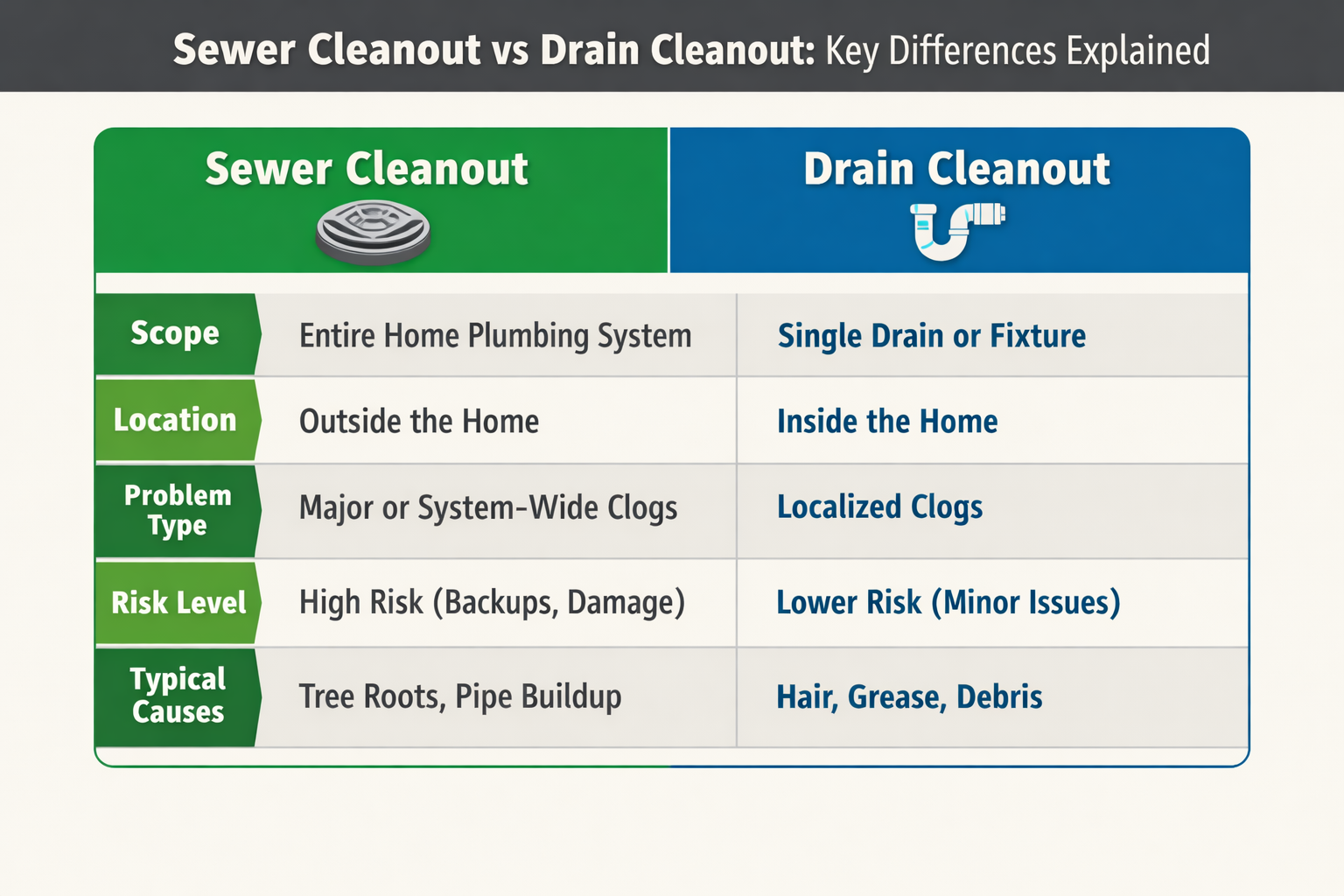
The chart above highlights the most important differences between a sewer cleanout and a drain cleanout.
A sewer cleanout provides access to the entire home plumbing system and is typically located outside the home. It’s used to clear major or system-wide clogs that can affect multiple drains at once.
Because sewer issues can lead to backups and property damage, the risk level is higher if they’re ignored. Common causes include tree root intrusion, collapsed pipes, and heavy buildup inside the main sewer line.
A drain cleanout, on the other hand, serves a single drain or fixture and is usually found inside the home. It’s designed for localized clogs, such as a slow kitchen sink or a blocked shower drain.
While these problems are lower risk, they can still escalate if left untreated. Typical causes include hair, grease, soap residue, and debris.
The most important distinction in the sewer cleanout vs drain cleanout comparison is scale. Sewer cleanouts address large, system-wide problems, while drain cleanouts solve smaller, isolated issues affecting individual fixtures.
Ask yourself these questions:
- Is only one drain slow or clogged?
→ Likely a drain cleanout - Are multiple drains backing up at once?
→ Likely a sewer cleanout - Is wastewater backing up into a floor drain or tub?
→ Strong sign of a sewer line issue - Have drain clogs become more frequent or harder to clear?
→ A sewer problem may be developing
Many Denver homeowners make the mistake of repeatedly clearing drains when the real issue is deeper in the sewer line. Addressing the correct cleanout early can prevent costly water damage.
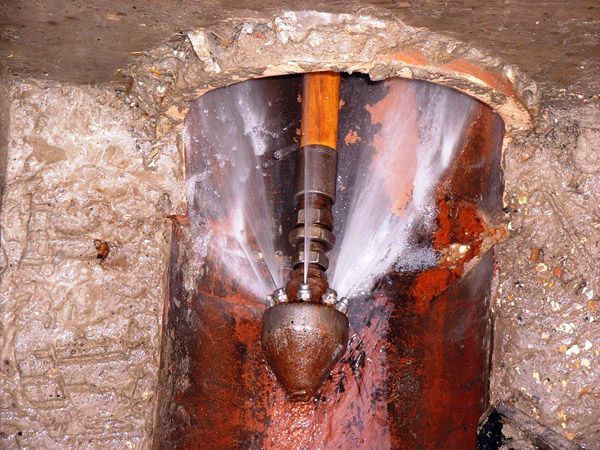
While minor drain clogs can sometimes be handled with basic maintenance, sewer-related issues should always be addressed by a licensed plumber. Sewer cleanouts involve higher pressure, larger blockages, and potential health risks.
Drain Brain LLC helps homeowners in Denver, CO accurately diagnose whether the problem is a drain cleanout or a sewer cleanout, ensuring the issue is resolved correctly the first time—without unnecessary work or guesswork.
What is the main difference between a sewer cleanout and a drain cleanout?
A sewer cleanout accesses the main sewer line that serves the entire home, while a drain cleanout accesses a single drain or fixture. The difference comes down to system-wide vs localized plumbing issues.
How do I know if my problem is a sewer line or just a clogged drain?
If multiple drains are backing up, toilets are bubbling, or wastewater appears in a floor drain, it’s likely a sewer line issue. If only one sink or tub is affected, it’s usually a drain clog.
Can a drain cleanout fix a sewer line clog?
No. A drain cleanout only clears a single branch line. Using it when the blockage is in the sewer line may provide temporary relief but will not resolve the root problem.
Is a sewer cleanout more serious than a drain cleanout?
Yes. Sewer cleanouts address high-risk issues that can lead to sewage backups and property damage if ignored. Drain cleanouts typically involve smaller, localized clogs.
Where is a sewer cleanout usually located?
Most sewer cleanouts are located outside the home near the foundation or property line. In older homes, they may be buried or difficult to locate without professional help.
Why do sewer line clogs keep coming back?
Recurring sewer clogs are often caused by tree roots, pipe damage, or heavy buildup inside the main sewer line. Repeated drain cleanings without addressing the sewer line can allow the issue to worsen.
Should I try to clear a sewer clog myself?
Sewer clogs should not be handled with DIY methods. Improper attempts can increase pressure in the line, cause backups, or damage pipes. Professional equipment and training are required.
How often should sewer lines be cleaned?
Homes with older plumbing, mature trees, or a history of backups often benefit from preventive sewer cleaning every few years. Drain cleaning frequency depends on usage and buildup patterns.
Can slow drains be an early sign of a sewer problem?
Yes. Multiple slow drains or recurring clogs can indicate an early-stage sewer line issue, even if a full backup hasn’t occurred yet.
When should I call a professional plumber instead of using store-bought cleaners?
If clogs return quickly, affect multiple fixtures, or involve sewage odors or backups, professional service is necessary. Chemical cleaners can damage pipes and mask larger issues.