Denver Sewer Line & Drain Problems: How to Diagnose Fast, Fix It Right, and Avoid Costly Repairs
If you’re dealing with slow drains, sewage smells, or repeated backups in your Denver home or business, you may be facing more than a simple clog. Sewer and main drain line issues are one of the most common—and most expensive—plumbing problems in the Denver metro area, especially in older neighborhoods.
The good news? With modern tools like sewer camera inspections, hydro jetting, and trenchless sewer repair, most problems can be diagnosed accurately and fixed without tearing up your yard, driveway, or basement.
This guide explains:
- The most common sewer and drain problems in Denver
- When you need drain cleaning vs sewer line repair
- How camera inspections prevent unnecessary repairs
- Hydro jetting vs trenchless sewer repair (and when each is best)
- Realistic Denver sewer repair costs
- How to choose the right solution—and the right company
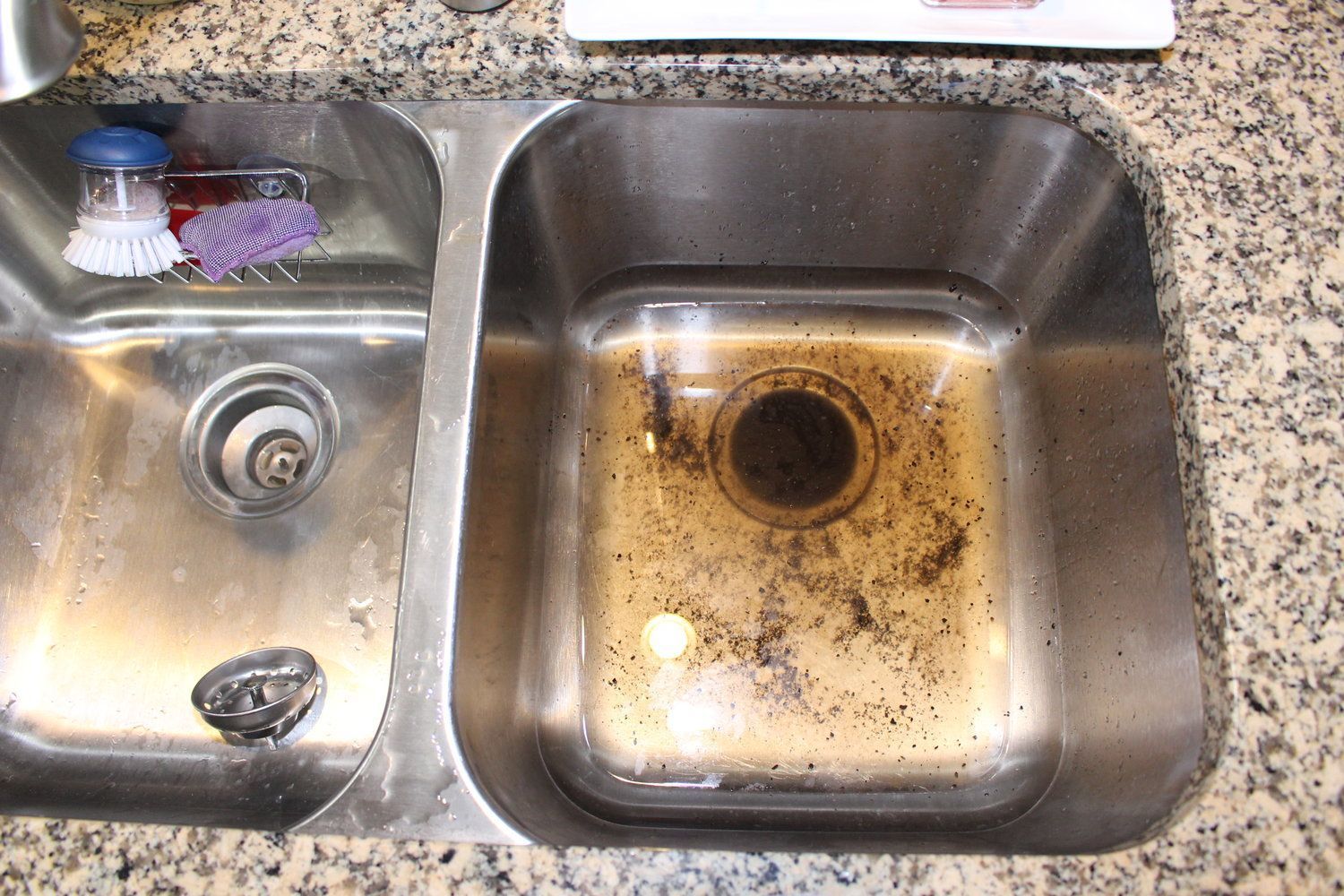
Denver homeowners face unique sewer challenges due to a mix of aging infrastructure, tree-lined neighborhoods, and soil movement.
1. Tree Root Intrusion
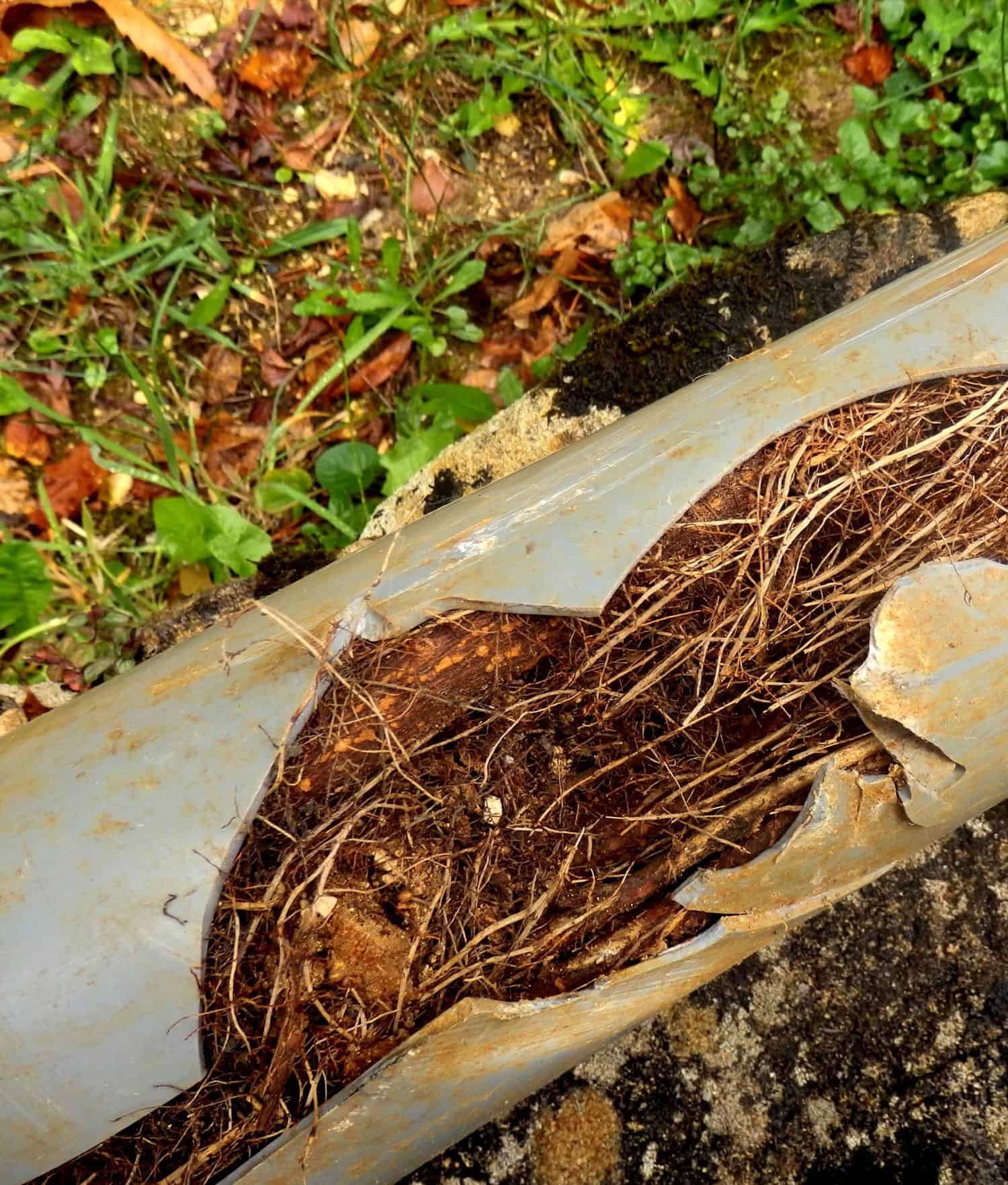
Tree roots are one of the leading causes of sewer line damage in Denver. Older clay or cast-iron pipes develop small cracks or loose joints, allowing roots to enter and expand.
Signs include:
- Frequent main sewer line clogs
- Slow drains throughout the home
- Gurgling toilets or drains
- Sewage backing up into basement floor drains
2. Grease and Debris Buildup
Kitchen grease hardens over time, especially in main lines. Standard snaking often punches a hole through the blockage but does not remove buildup from pipe walls, leading to recurring clogs.
3. Pipe Bellies, Offsets & Cracks
Soil shifting and freeze-thaw cycles can cause sewer lines to sag (called a “belly”) or separate at joints. These structural problems cannot be fixed with drain cleaning alone.
4. Aging Sewer Lines
Many Denver homes built before the 1970s still have original sewer laterals. These materials deteriorate over time and are prone to collapse or intrusion.
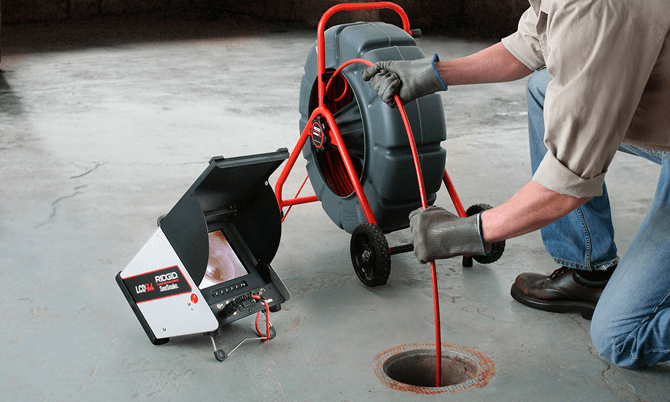
Before any sewer line repair or replacement, a sewer camera inspection in Denver is critical.
A camera inspection allows professionals to:
- Locate the exact source of the problem
- Identify root intrusion, cracks, bellies, or collapses
- Determine whether hydro jetting, trenchless repair, or replacement is needed
- Avoid unnecessary digging or upselling
What a Sewer Camera Inspection Shows
- Root intrusion severity
- Pipe material and condition
- Joint separation or offsets
- Standing water (bellies)
- Collapsed or broken sections
Many Denver homeowners spend thousands on repeated drain cleanings when a camera inspection would reveal the real issue immediately.
Not every clog means you need sewer line repair. The key is understanding symptoms vs causes.
When Drain Cleaning Is Enough
- Single fixture clogs
- Minor grease or debris buildup
- First-time slow drains
When You Likely Need Sewer Line Repair
- Multiple drains backing up at once
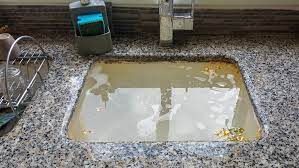
- Sewage in basement or lowest drain
- Frequent clogs despite snaking
- Visible damage on camera inspection
If your problem keeps coming back, it’s usually because the underlying issue was never addressed.
Hydro Jetting in Denver: Powerful Drain & Sewer Cleaning
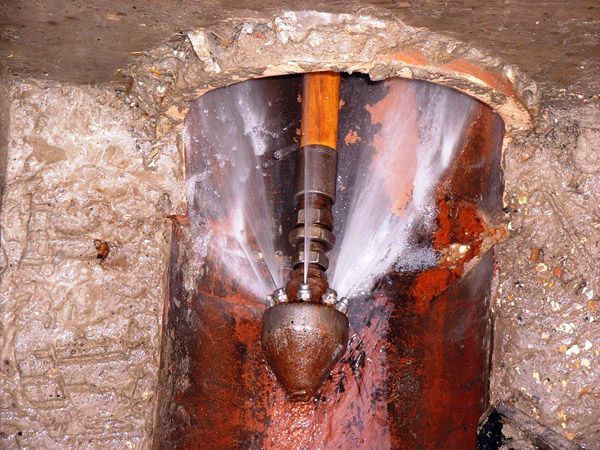
Hydro jetting uses high-pressure water to clean the entire interior of sewer and drain pipes.
Benefits of Hydro Jetting
- Removes grease, sludge, roots, and mineral buildup
- Cleans pipe walls completely (not just a hole through the clog)
- Safe for most modern sewer lines
- Prevents recurring clogs
Hydro jetting in Denver is ideal for:
- Restaurants and commercial kitchens
- Homes with recurring main line clogs
- Preventative maintenance
Hydro Jetting Cost in Denver
Most hydro jetting services range from $400–$900, depending on:
- Length of pipe
- Severity of buildup
- Accessibility
While more expensive than snaking, hydro jetting lasts significantly longer, saving money over time.
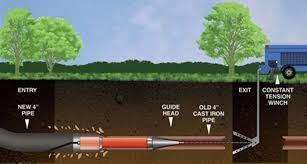
When sewer lines are damaged but still structurally salvageable, trenchless sewer repair is often the best solution.
What Is Trenchless Sewer Repair?
Trenchless methods repair or replace sewer lines without excavating the entire pipe path.
Common Trenchless Methods
1. CIPP Sewer Lining (Cured-In-Place Pipe)
A resin liner is inserted and cured inside the existing pipe, creating a new pipe within the old one.
Best for:
- Cracks
- Root damage
- Minor offsets
Pipe Bursting
The old pipe is broken outward while a new pipe is pulled through its path.
Best for:
- Severely damaged or collapsed lines
- Full sewer line replacement
Trenchless Sewer Repair Cost in Denver
Typical costs range from $4,000 to $12,000, depending on:
- Length of the sewer line
- Repair method
- Pipe diameter and depth
While not cheap, trenchless repair often costs less than traditional excavation when you factor in landscaping, concrete, and restoration.
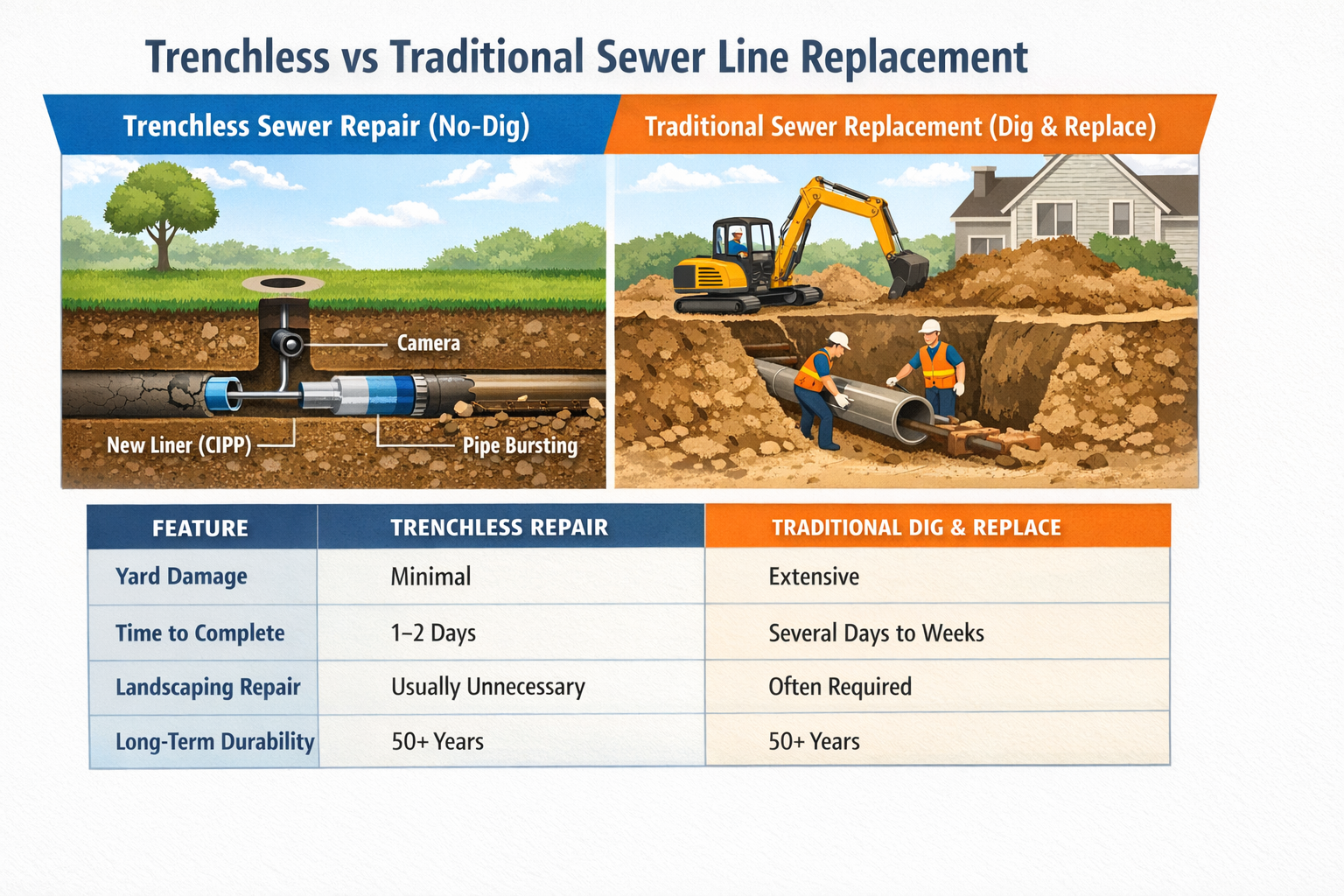
Trenchless vs Traditional Sewer Line Replacement
FeatureTrenchless RepairTraditional Dig & ReplaceYard damageMinimalExtensiveTime to complete1–2 daysSeveral days to weeksLandscaping repairUsually unnecessaryOften requiredLong-term durability50+ years50+ years
For most Denver homes, trenchless sewer repair is the preferred option when conditions allow.
If you’re experiencing:
- Sewage backing up into your home
- Water overflowing from floor drains
- Complete sewer blockage
You need emergency drain cleaning or sewer repair in Denver immediately.
Delaying emergency sewer issues can result in:
- Property damage
- Health hazards
- Costly cleanup and restoration
How to Prevent Sewer Line Problems
While some issues are unavoidable, you can reduce risk by:
- Scheduling periodic sewer camera inspections
- Using hydro jetting as preventative maintenance
- Avoiding grease, wipes, and debris in drains
- Addressing minor issues early
Preventative care is always less expensive than emergency repair.
Why Denver Homeowners Choose Drain Brain
When dealing with sewer line repair near you, choosing a specialist matters.
Drain Brain focuses exclusively on:
- Sewer and drain diagnostics
- Sewer camera inspections
- Hydro jetting
- Trenchless sewer repair
This specialization allows for accurate diagnosis, honest recommendations, and long-term solutions, not temporary fixes.
When sewer or drain problems strike, guessing can lead to repeated clogs, unnecessary repairs, and higher costs. The key to protecting your home or business is accurate diagnosis followed by the right solution—not temporary fixes.
Drain Brain LLC specializes exclusively in sewer and drain services, giving Denver property owners access to advanced tools like sewer camera inspections, hydro jetting, and trenchless sewer repair. This focused approach allows issues to be identified quickly and repaired correctly, often without invasive digging or disruption to your property.
Whether you’re dealing with slow drains, recurring backups, or suspect damage to your main sewer line, Drain Brain LLC takes the time to explain your options clearly. From preventative maintenance to emergency sewer repairs, every recommendation is based on what’s best for your system—not a one-size-fits-all solution.
Serving Denver and the surrounding metro area, Drain Brain LLC is trusted by homeowners, real estate professionals, and businesses for dependable service, transparent pricing, and long-lasting results. If you’re experiencing sewer or drain issues—or want to prevent them before they become emergencies—professional insight can make all the difference.
📞 Contact Drain Brain LLC today at 720-322-4845 to schedule a sewer camera inspection or expert drain service and get peace of mind knowing your sewer system is in capable hands.
How do I know if my sewer line is broken?
Recurring clogs, sewage smells, backups, and camera inspection findings usually indicate damage.
Is trenchless sewer repair worth it?
Yes, especially in Denver, where landscaping and concrete restoration can exceed the cost of repair.
How long does trenchless sewer repair last?
Most trenchless liners and replacement pipes are rated for 50+ years.
Can roots be permanently removed?
Roots can be removed with hydro jetting, but damaged pipes often require lining or replacement to prevent regrowth.
How long does sewer line repair take in Denver?
The timeline depends on the type of repair needed. Sewer line repairs using trenchless methods are often completed in 1–2 days, while traditional excavation can take several days to weeks, especially if landscaping, concrete, or permitting is involved. A sewer camera inspection is the fastest way to determine the expected timeline.
What causes sewer lines to fail in Denver homes?
Common causes include tree root intrusion, aging clay or cast-iron pipes, soil shifting, and grease buildup. Denver’s older neighborhoods are especially prone to sewer line deterioration due to mature trees and aging infrastructure.
Can sewer line problems affect my home’s foundation?
Yes. Leaking or broken sewer lines can saturate the soil around your foundation, leading to settling, cracks, or moisture intrusion. Early diagnosis with a sewer camera inspection helps prevent secondary structural damage.